European issuers expand into regulated dollar stablecoins
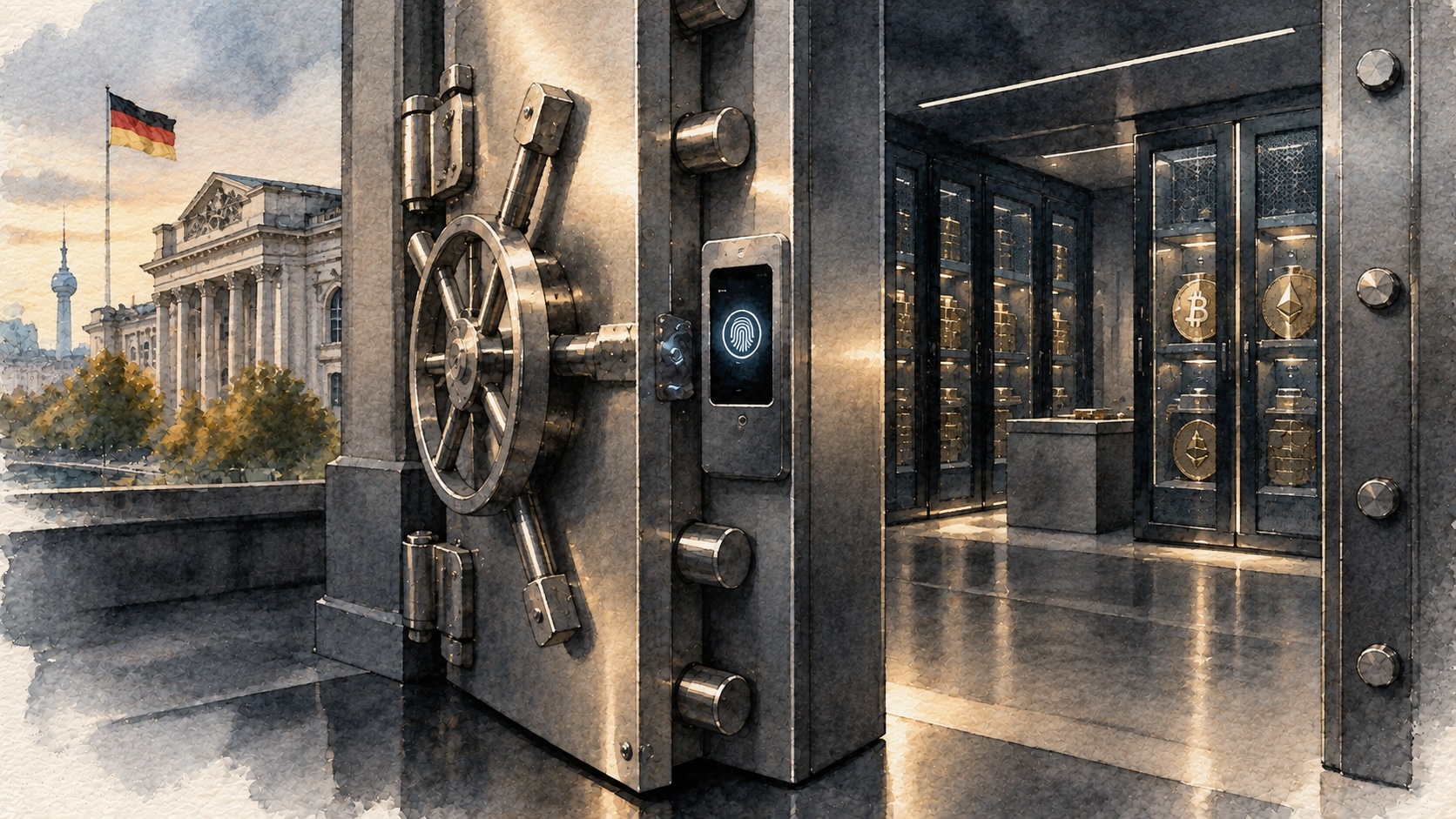
German issuer AllUnity launched its MiCA-regulated USDAU token as European stablecoin companies argue that businesses still need dollar liquidity for trade and cross-border payments.
European stablecoin issuers are launching regulated US dollar tokens, arguing that euro stablecoins alone cannot meet businesses’ need for dollar liquidity in global trade and cross-border payments.
AllUnity, a German issuer, launched its US dollar-pegged USDAU stablecoin on Wednesday. The product expands its MiCA-regulated lineup beyond tokens linked to European currencies. AllUnity CEO Alexander Höptner described the dollar as a central currency in global trade and foreign exchange markets. “For European corporates to make cross-border payments globally, offering only a euro stablecoin isn’t enough,” he said.
The launches come as the European Union reviews its Markets in Crypto-Assets regulation, known as MiCA. The European Central Bank has warned that stablecoins could strengthen the dollar’s position in global finance. European policymakers have promoted broader use of the euro in digital payments.
Stable Mint CEO James Bennett attributed demand for dollar stablecoins to business requirements that policymakers cannot easily redirect to euro-based tokens. “Dollar stablecoins are where the demand is, and Europe can’t wish that away,” Bennett said. “What Europe can control is who issues them to European users, and under which rules.”
Stable Mint’s USDSM stablecoin has processed more than $380 million across 3.8 million onchain transfers and was held by more than 2,600 addresses as of Wednesday, according to figures supplied by the company.
Fiat Republic CEO Adam Bialy described demand from crypto platforms and stablecoin companies seeking continuous access to dollar settlement. Regulated dollar tokens can reduce friction in payments between Europe, the United Kingdom and North America, he said.
Societe Generale-FORGE, the digital asset division of French bank Societe Generale, supports a market with both euro- and dollar-denominated digital cash. Its USD CoinVertible, or USDCV, launched in 2025 and has drawn interest for trading, settlement, collateral management and corporate treasury operations, according to the company.
“We believe the objective is not to oppose dollar stablecoins, but to foster a diversified and resilient ecosystem where users can access both euro and dollar-denominated digital cash solutions within a robust regulatory framework,” a Societe Generale-FORGE spokesperson said.
European-issued dollar stablecoins remain small compared with the leading global tokens. CoinGecko data puts the market capitalization of USDSM and USDCV at about $13 million each, compared with about $184 billion for Tether’s USDT and $74 billion for Circle’s USDC.
AllUnity described USDAU as a way to connect dollar liquidity with European banks and businesses, rather than as part of a competition between the United States and Europe.
The material on GNcrypto is intended solely for informational use and must not be regarded as financial advice. We make every effort to keep the content accurate and current, but we cannot warrant its precision, completeness, or reliability. GNcrypto does not take responsibility for any mistakes, omissions, or financial losses resulting from reliance on this information. Any actions you take based on this content are done at your own risk. Always conduct independent research and seek guidance from a qualified specialist. For further details, please review our Terms, Privacy Policy and Disclaimers.
Articles by this author