SEC proposes looser crypto custody rules for advisers
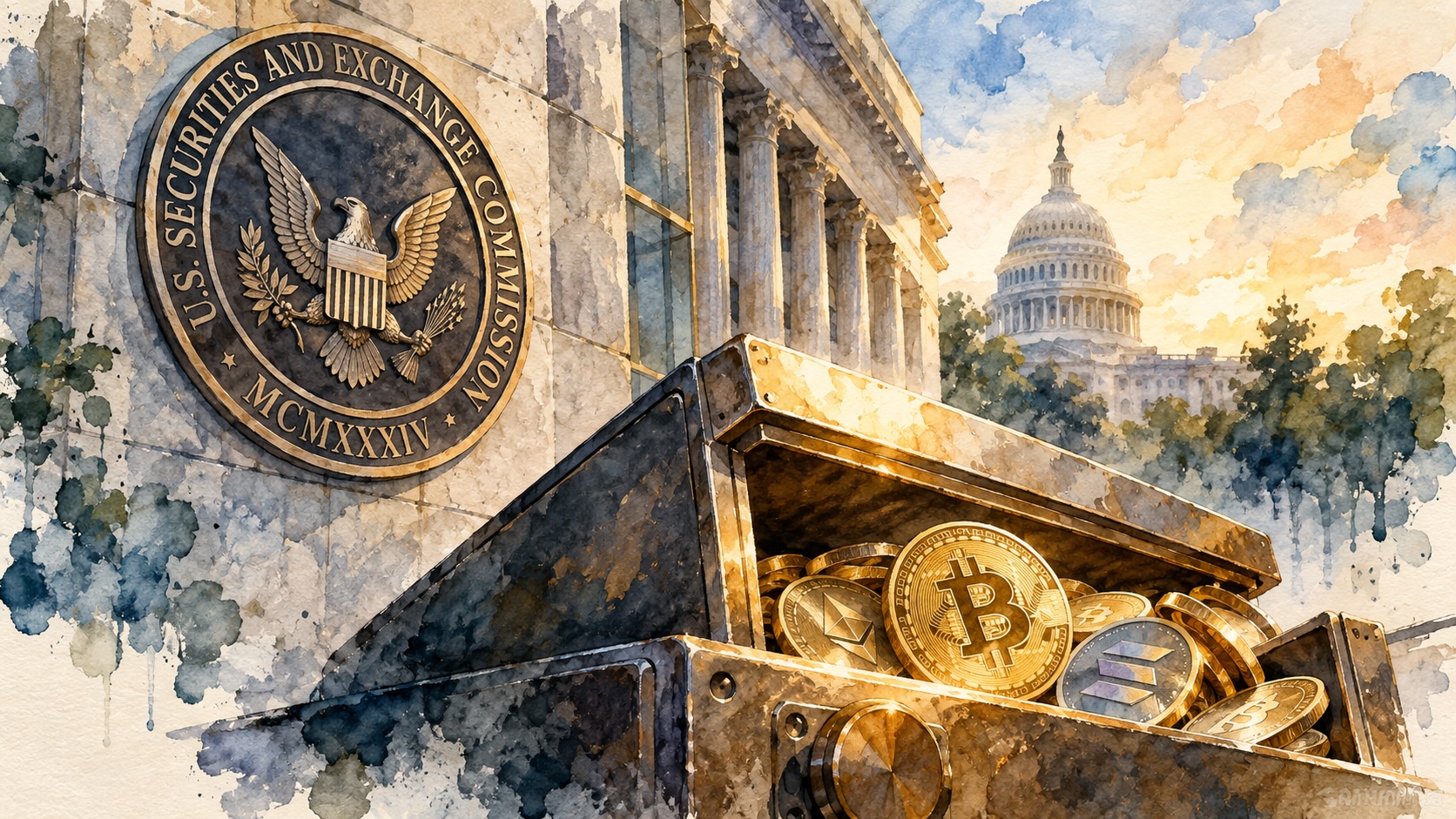
The SEC proposed rules that would let investment advisers self-custody clients’ crypto when no eligible custodian is available and allow state trust companies to hold digital assets.
The U.S. Securities and Exchange Commission proposed rules Thursday that would allow investment advisers to hold clients’ crypto assets themselves when no eligible custodian is available. The proposal would also allow state trust companies to provide crypto custody services.
The proposal addresses a shortage of qualified custodians for some digital assets. Advisers can currently struggle to offer clients exposure to certain tokens when no custodian meets existing requirements.
An adviser seeking to self-custody an asset would have to determine that no permitted custodian is available for that asset. The adviser would need to review that determination every quarter and transfer the asset to an eligible custodian as soon as reasonably practicable if one becomes available.
Advisers holding crypto themselves would have to protect private keys, maintain cybersecurity controls and keep each client’s assets separate. At least two authorized employees would have to approve every transfer of a self-custodied asset.
“The crypto asset market has grown from a niche curiosity into a multi-trillion-dollar asset class to which investors actively seek exposure. Unfortunately, our rules and regulations have not kept pace,” SEC Chair Paul Atkins wrote in a statement.
Regulated funds could also use self-custody through their investment advisers if the advisers met the same requirements. The fund’s board would have to oversee the custody arrangement.
State trust companies would need authorization from the relevant state regulator to provide crypto custody. They would also need procedures to protect assets from loss, theft and misuse, along with audited financial statements and internal control reports. Client assets would have to remain separate from a trust company’s own holdings.
The SEC proposed related changes to audit, recordkeeping and disclosure requirements. In a statement, Commissioner Mark Uyeda described adviser custody as creating “an inherent conflict of interest” and noted that advisers’ fiduciary duties would continue to apply when they hold clients’ crypto.
Commissioner Hester Peirce described the uncertainty around crypto custody as a regulatory “roller coaster.” The Digital Chamber told the SEC in a May 2025 submission that some advisers had declined token allocations or asked portfolio companies to retain assets until suitable custody services became available.
The SEC will accept public comments for 60 days after the proposal is published in the Federal Register. The proposal follows efforts by the SEC and the Commodity Futures Trading Commission to establish clearer crypto rules under their existing authority after the CLARITY Act failed to advance in the Senate last month.
The material on GNcrypto is intended solely for informational use and must not be regarded as financial advice. We make every effort to keep the content accurate and current, but we cannot warrant its precision, completeness, or reliability. GNcrypto does not take responsibility for any mistakes, omissions, or financial losses resulting from reliance on this information. Any actions you take based on this content are done at your own risk. Always conduct independent research and seek guidance from a qualified specialist. For further details, please review our Terms, Privacy Policy and Disclaimers.
Articles by this author