Trezor breach at Skladon exposed data from 27,000 orders
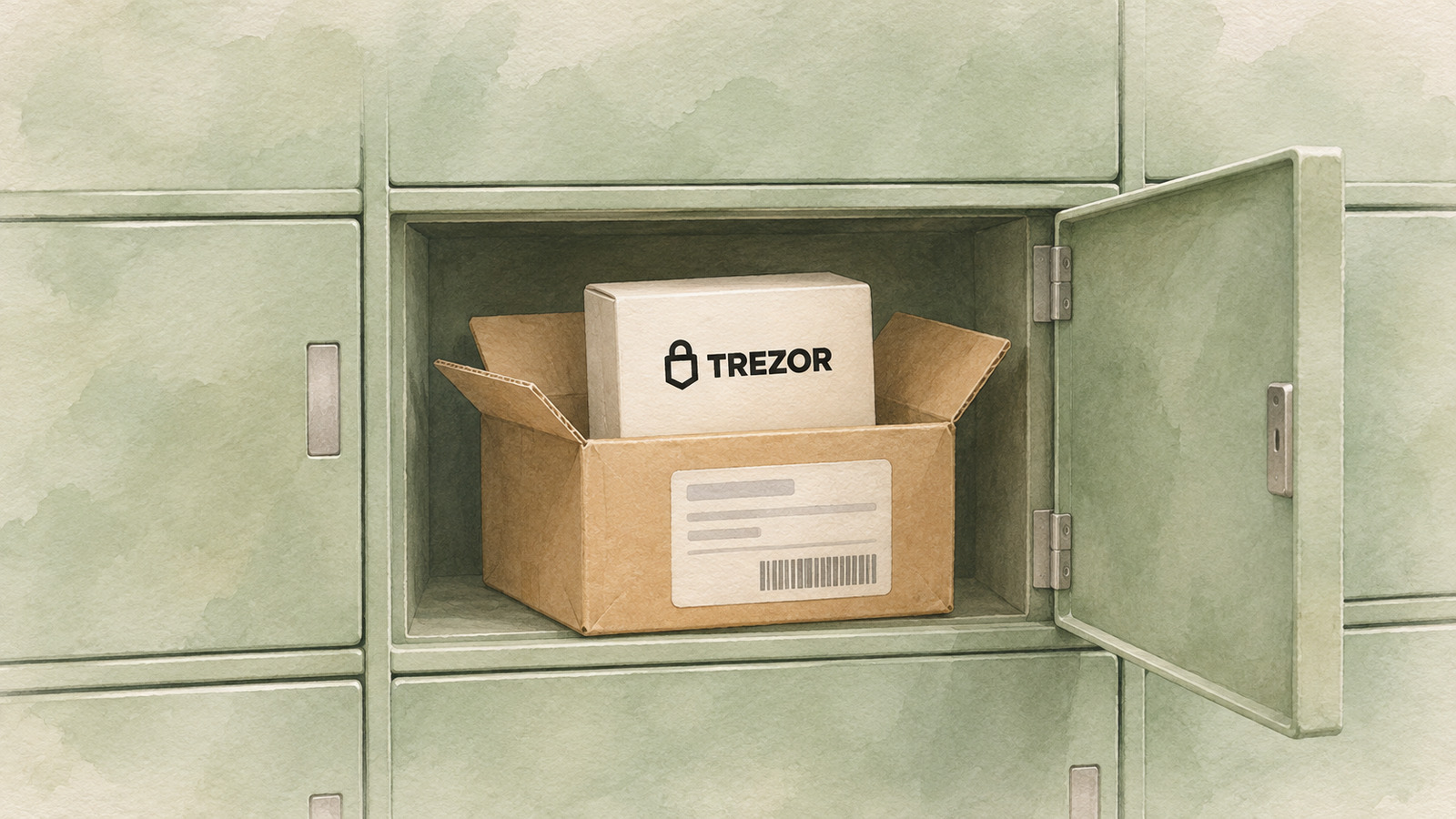
A breach at Trezor shipping partner Skladon exposed data from about 27,000 orders, while some early customers cannot be emailed because their details were anonymized.
Trezor disclosed on Nov. 16 that a breach at shipping partner Skladon exposed data from approximately 27,000 orders placed between Aug. 9 and Nov. 7, 2026. The company’s investigation is ongoing, and the order count remains approximate.
The exposed records included customer names, phone numbers, delivery addresses, email addresses, order dates, product names and prices. They did not include wallet backups, PINs or passphrases. Trezor and Skladon do not hold those credentials, according to the company.
Skladon notified Trezor on Nov. 15, eight days after detecting unauthorized access to systems containing Trezor shipping data. Trezor published its disclosure and emailed customers it could still reach on Nov. 16. The company also notified the relevant data protection authority.
Orders placed between Aug. 9 and Aug. 14 may have been affected, but Trezor cannot email some customers from that group. The company retains order data for 90 days, and those customers’ details had already been anonymized. Trezor is notifying them through its website and X account.
Trezor has not disclosed whether every order in the period was accessed or how the attacker entered Skladon’s systems. The affected orders may include customers in many countries served by the logistics provider.
The company plans to reduce its order-data retention period from 90 days to 45 days. It has not provided a date for the change. Based on the order rate in the disclosure, a 45-day period would contain about 13,400 orders instead of 27,000.
Trezor warned that the exposed information could help scammers make convincing calls, texts, emails or letters. Details such as a customer’s name, address, purchase date, wallet model and payment amount could be used to impersonate a company representative. Earlier this year, phishing letters targeting Trezor and Ledger users used QR codes to direct recipients to fake verification pages.
“If your data was affected by this breach, scammers may use these details in calls, texts, emails or letters,” Trezor said in its notice. The company advised customers to be alert to threats involving their physical safety and to contact local police first if they receive one.
Trezor said it will never call customers to request a wallet backup. It advised customers to treat unexpected order-related messages as suspicious and to verify information through official support channels rather than links in those messages.
The company’s Anonymous Pickup option is available in 18 European countries. It lets customers send orders to parcel lockers or pickup points instead of home addresses. A U.S. launch is planned, but no date has been announced. Shipping partners still receive the address, phone number and product details needed to deliver an order.
Trezor is reviewing its third-party relationships and the security requirements imposed on partners. The company acknowledged that the Skladon incident was not the first partner-related exposure of customer contact details and addresses.
In September, Trezor disclosed that a breach at logistics partner ShipMonk exposed data from 67,000 additional U.S. customers. The company also reported this month that it found tampering implants in three Safe 5 devices among 48 inspected and had cut about 80% of its resellers. The Skladon incident involves customer and shipping records, not wallet-device security or access to cryptocurrency.
Reviewed and fact-checked by Alex Panasenko on November 18.
Articles by this author