South Korea may let exchanges freeze crypto withdrawals
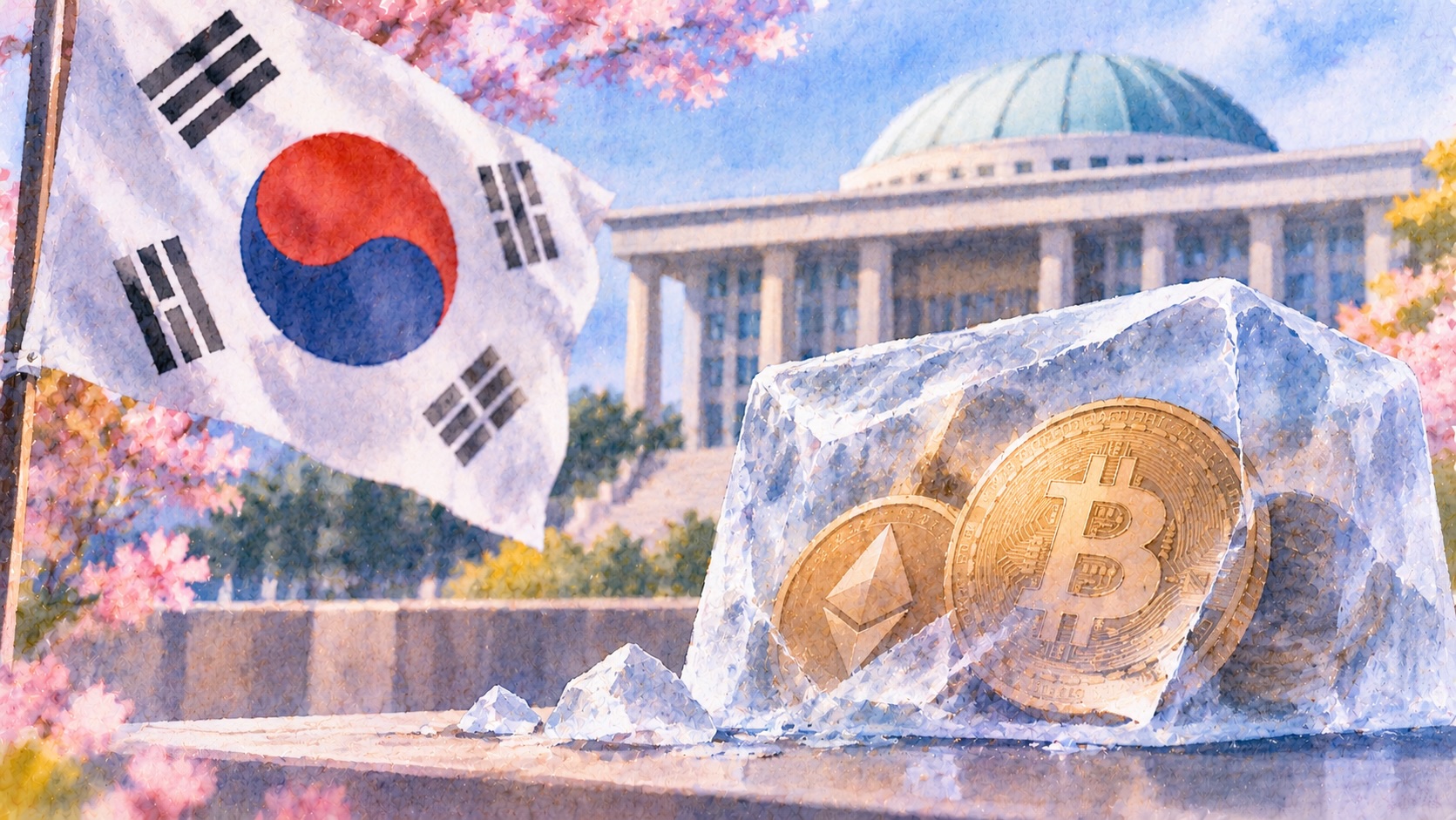
South Korea’s financial regulator plans to let crypto exchanges halt deposits and withdrawals when they suspect hacking, without waiting for confirmation of a breach.
South Korea’s Financial Services Commission plans to let cryptocurrency exchanges suspend deposits and withdrawals when they suspect a hack, before confirming that a breach has occurred.
The FSC said Thursday it would issue a no-action letter permitting preventive suspensions under specific conditions. The policy would allow exchanges to protect customer funds while investigating unusual activity.
Current rules prohibit exchanges from blocking withdrawals without legitimate grounds and allow restrictions only after a hacking incident has been established. The planned guidance would clarify when an exchange could temporarily halt transactions based on a suspected attack.
The FSC also called on exchanges to provide 24-hour monitoring and incident-response operations, hold more assets in cold wallets and strengthen insurance coverage and financial reserves. Cold wallets are cryptocurrency wallets that are not connected to the internet.
Exchanges unable to monitor their systems continuously would be required to process deposits and withdrawals only during staffed hours and notify customers in advance.
The planned change follows recent security incidents involving South Korean crypto platforms. GOPAX suspended trading, deposits and regular withdrawals after receiving a hacking threat. A company representative said no breach had been confirmed.
On Oct. 24, trading platform Prabang suspended its services after detecting unusual withdrawals from a hot wallet, which is connected to the internet. The platform reported losses of about $70,000.
In October, the FSC identified cybersecurity weaknesses at 130 of the 555 financial companies it reviewed across South Korea. The regulator separately named GOPAX operator Streami and Prabang among 16 companies linked to previous security incidents.
Reviewed and fact-checked by Alex Panasenko on November 12.
Articles by this author