Gold and Bitcoin fall as dollar, yields raise liquidity fears
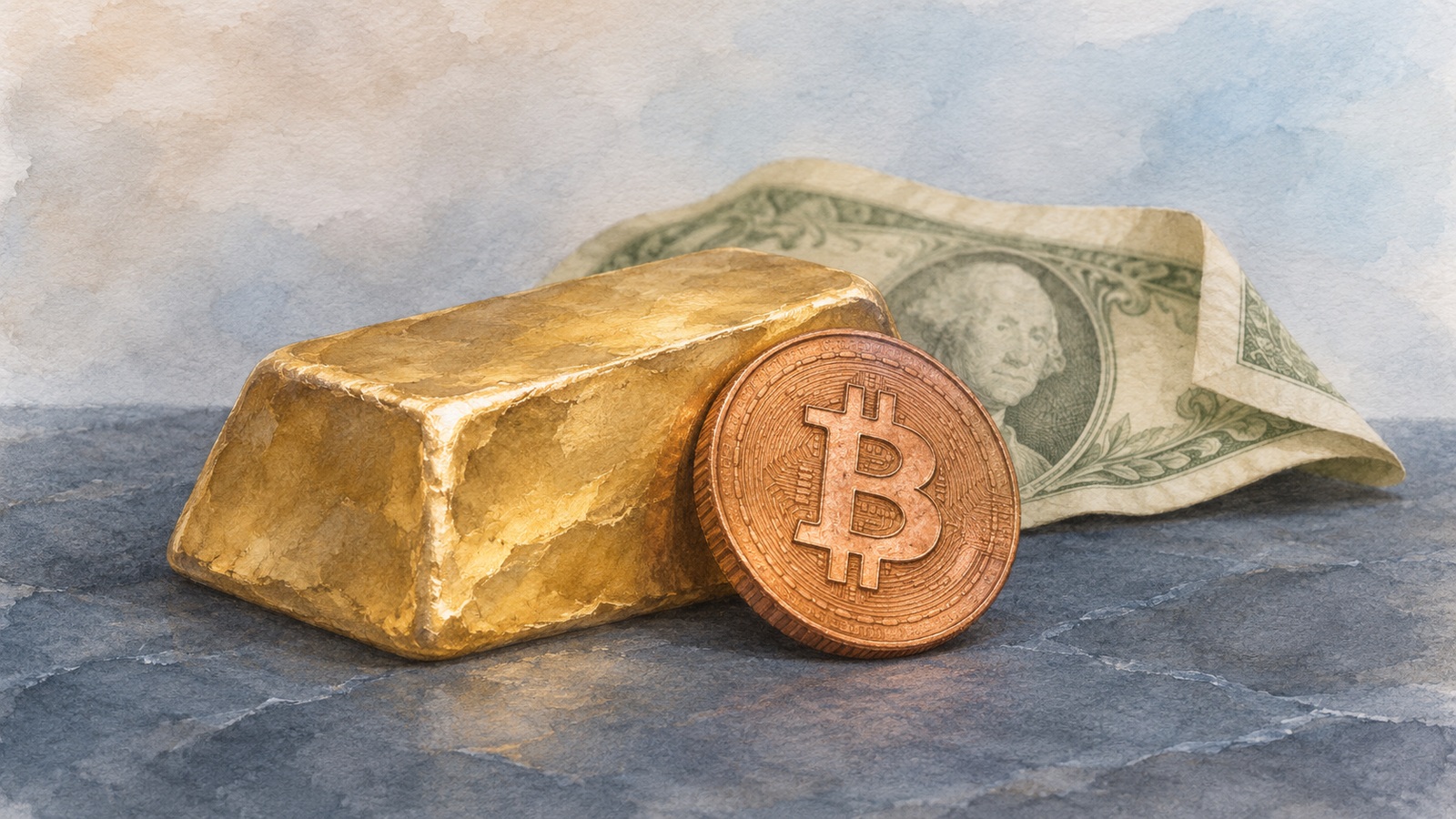
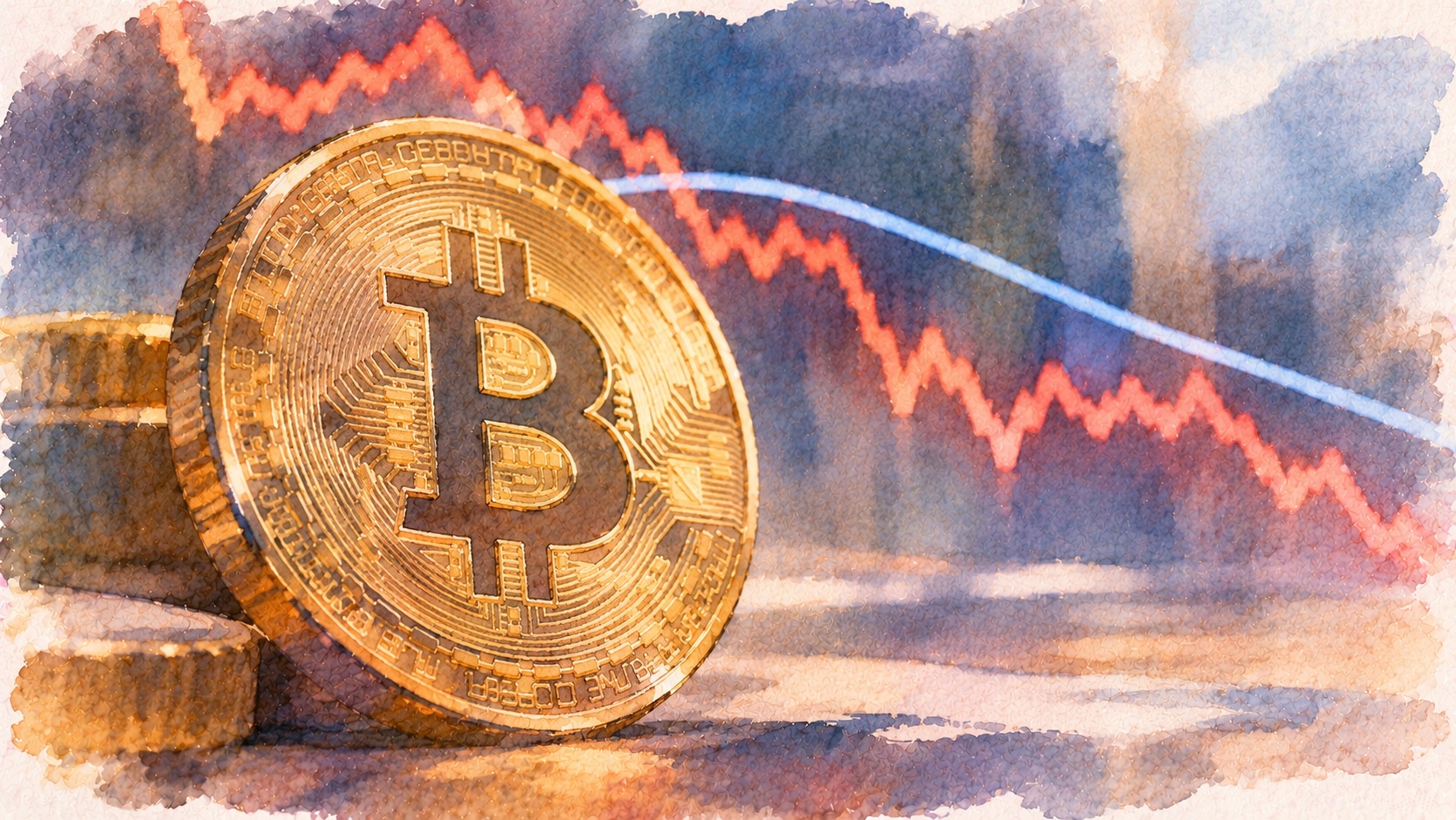
Gold fell 1.6% to $3,787.65 on Nov. 18 and Bitcoin dropped to $64,336 as a stronger dollar, higher Treasury yields and a hawkish Fed outlook increased selling pressure.
Gold and Bitcoin declined together on Nov. 18 as a stronger US dollar, higher Treasury yields and expectations of further Federal Reserve rate increases pressured both assets. Spot gold fell 1.6% to $3,787.65 an ounce, while Bitcoin dropped to $64,336.
Gold reached its lowest level since September 2025. Bitcoin was down 12% over the previous week and 22% over the previous month, leaving it at a multi-month low.
The US dollar was near a 19-month high. A stronger dollar makes gold more expensive for buyers using other currencies, which can reduce demand. Rising Treasury yields increase the appeal of government bonds and other assets that pay interest, while gold and Bitcoin do not provide regular income.
Federal Reserve policy added to the pressure. New York Fed President John Williams indicated that another rate increase could be possible. CME FedWatch data showed a 95.7% probability of a 25-basis-point rate increase in December.
Higher interest rates can reduce demand for Bitcoin by making investors less willing to hold volatile assets. They can also weigh on gold because the cost of holding the metal rises when bonds and cash offer higher returns.
The simultaneous declines may also reflect demand for cash. Investors can sell gold to meet financial obligations or cover losses in other markets, even though the metal is commonly treated as a safe-haven asset. Bitcoin losses can lead to additional selling when leveraged positions are liquidated. Earlier in November, Bitcoin fell below $70K as thin liquidity and ETF outflows weighed on the market.
A stronger dollar raises repayment costs for governments, companies and investors with US-dollar debt and income in weaker currencies. Higher debt costs can reduce funds available for investment and increase demand for cash and US government bonds.
The declines in gold and Bitcoin alone do not confirm a global liquidity crisis. They are consistent with cautious investor positioning during a period of tight financial conditions, higher borrowing costs and stronger demand for liquid assets.
Lower inflation or a less restrictive Federal Reserve stance could weaken the dollar and reduce pressure on both assets. A continued hawkish policy outlook could leave gold and Bitcoin exposed to further selling.
Reviewed and fact-checked by Alex Panasenko on November 18.
Articles by this author