Mastercard targets tokenized, biometric payments by 2030
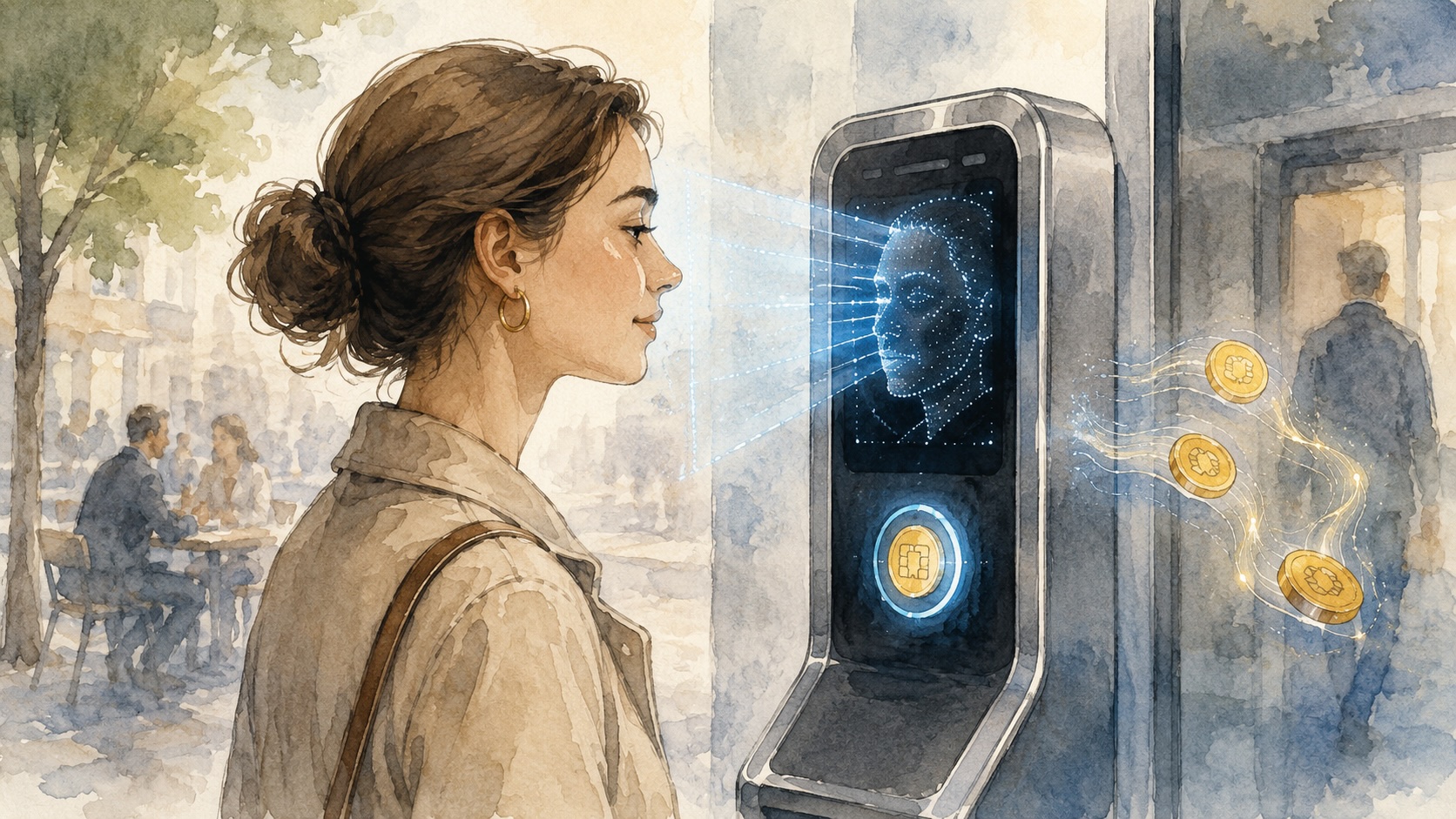
Mastercard plans to replace card numbers with one-time tokens and biometrics by Dec. 31, 2030, citing faster checkout and reduced fraud while noting outage and access risks.
Mastercard plans to replace traditional card numbers with one-time transaction tokens and require biometric approvals such as fingerprints or facial recognition for payments in the United States by Dec. 31, 2030.
Under the plan, a unique token would be created for each transaction and used instead of a static card number. Merchants and payment processors would not retain consumers’ permanent card data. Authentication would increasingly rely on biometric credentials stored on or verified by a consumer’s device rather than a physical card and PIN.
The company says tokens and device-based biometric approvals will speed checkout and make stolen card data less useful. Tokenization typically limits a captured credential to a single purchase or session, preventing reuse of the same code in other transactions.
Mastercard sets the end of 2030 as a target for broad industry adoption and wants tokenized, device-based payments to become the default credential for purchases across banks and merchants in the U.S. The deadline is intended to guide banks, retailers and technology providers as they update payments infrastructure and customer-facing systems.
Contactless cards and mobile wallets have already reduced friction at checkout. The plan would move digital credentials to the foreground while the physical card increasingly serves as a backup option.
The proposal raises reliability concerns. If payment identities live mainly on phones and other connected devices, outages at point-of-sale systems, drained device batteries or a retailer network failure could leave customers without a clear fallback.
Accessibility is another issue. Consumers who use older phones, have limited data plans, lack reliable internet access or are uncomfortable with biometric technology could face hurdles. Banks and merchants will need to keep alternative options available for those customers.
Shifting to tokens and biometrics could change retail procedures. Merchants may redesign checkout flows, returns processes and identity checks to match device-based approvals. Banks, retailers and technology providers must resolve technical and operational issues and prepare staff and customers ahead of the 2030 target.
The material on GNcrypto is intended solely for informational use and must not be regarded as financial advice. We make every effort to keep the content accurate and current, but we cannot warrant its precision, completeness, or reliability. GNcrypto does not take responsibility for any mistakes, omissions, or financial losses resulting from reliance on this information. Any actions you take based on this content are done at your own risk. Always conduct independent research and seek guidance from a qualified specialist. For further details, please review our Terms, Privacy Policy and Disclaimers.
Articles by this author