Trump orders push for quantum computing and crypto upgrades
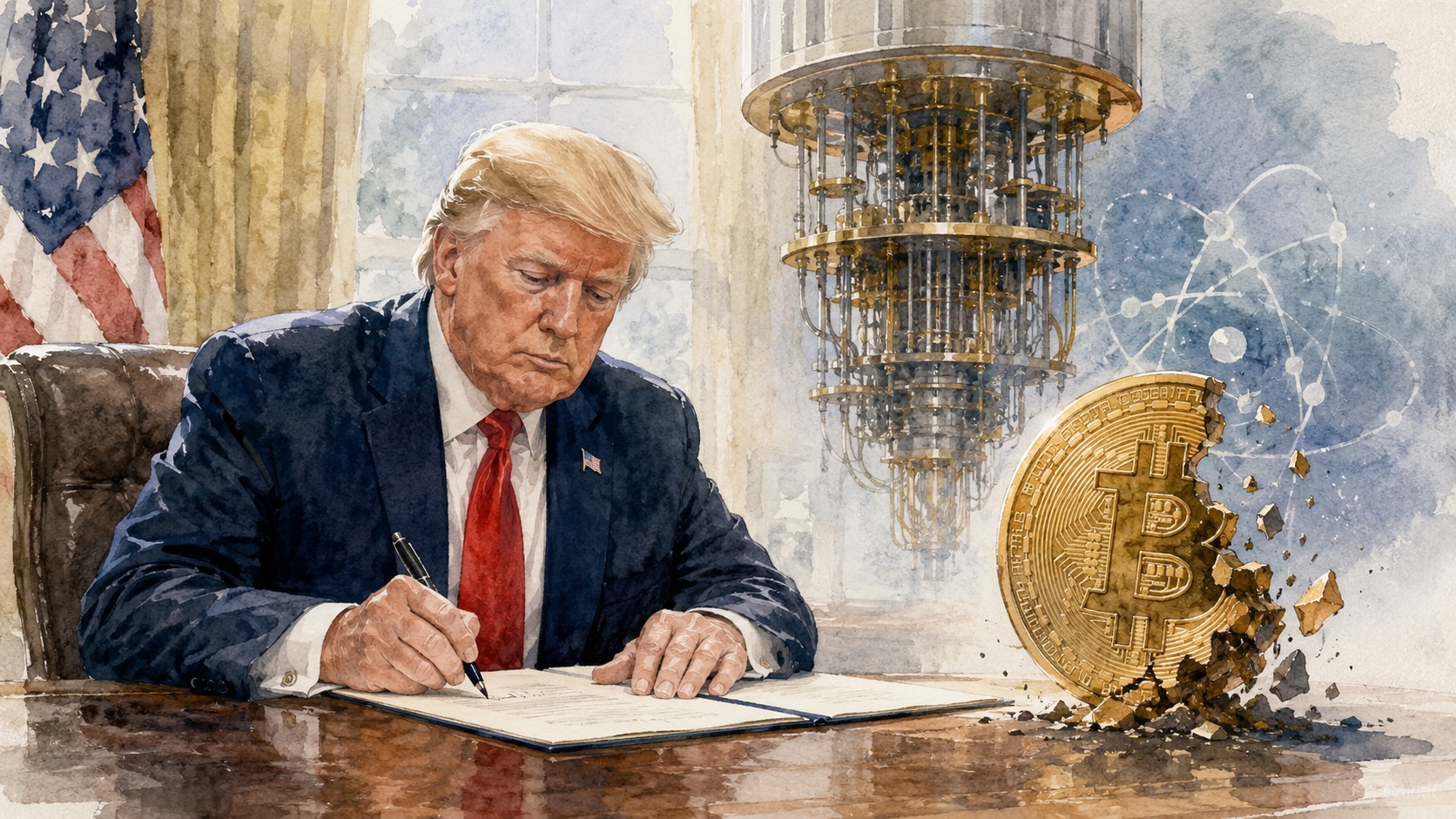
President Donald Trump signed two executive orders directing agencies to speed quantum computer development and begin a government-wide migration to post-quantum cryptography.
President Donald Trump on Monday signed two executive orders in Washington directing federal agencies to accelerate development of quantum computers and to begin a government-wide migration to post-quantum cryptography. The orders set deadlines and create programs to speed commercialization and to protect sensitive systems from future quantum threats.
One order requires relevant agencies to update the National Quantum Strategy within 180 days to support commercialization and partnerships with industry. Agencies are also tasked with studying the security implications of larger commercial quantum machines and how those advances affect the timeline for moving to post-quantum cryptography.
That order establishes the Quantum Computer for Application Development and Discovery Science program, or QC-ADDS, as a national effort to pursue a quantum computer at a scale intended to enable new scientific applications. The program is framed to coordinate research, development and industry engagement.
The second order directs the Office of Management and Budget and the National Cyber Director to lead an accelerated, government-wide migration to post-quantum cryptography. The order states that large-scale quantum computers in adversary hands could break widely used cryptographic systems and instructs agencies to prioritize upgrades to algorithms and systems that will remain secure.
“We’re going to be investing in American quantum leadership like never before to stay ahead of the pack,” the president said. The administration also ordered officials to coordinate with allies on protecting sensitive technologies from exploitation by foreign actors.
Agencies must identify near- and long-term impacts from larger and faster commercial quantum devices, including potential effects on critical infrastructure, government encryption and private-sector systems. The guidance is intended to inform procurement, standards and workforce development needed for both quantum computing and post-quantum cryptography rollouts.
Some major blockchain projects have begun developing post-quantum roadmaps to protect transaction signatures and user funds, while parts of the Bitcoin community remain divided on methods to safeguard existing coins. Researchers have suggested that large-scale quantum computers could be theoretically viable by around 2030, a projection that influenced federal urgency.
China announced a Five-Year Plan in March that outlines expanded investment in scalable quantum computers and the development of a space-to-earth quantum communication network. The White House described the U.S. orders as actions to maintain technological leadership and to prevent adversaries from using quantum advances against national security.
Agencies now have defined actions and timelines to report back and to begin implementing upgrades. The administration will monitor progress as federal agencies coordinate research funding, industry partnerships and cryptographic migration plans.
The material on GNcrypto is intended solely for informational use and must not be regarded as financial advice. We make every effort to keep the content accurate and current, but we cannot warrant its precision, completeness, or reliability. GNcrypto does not take responsibility for any mistakes, omissions, or financial losses resulting from reliance on this information. Any actions you take based on this content are done at your own risk. Always conduct independent research and seek guidance from a qualified specialist. For further details, please review our Terms, Privacy Policy and Disclaimers.
Articles by this author