House Democrats Question SEC on AI Investment Advisors
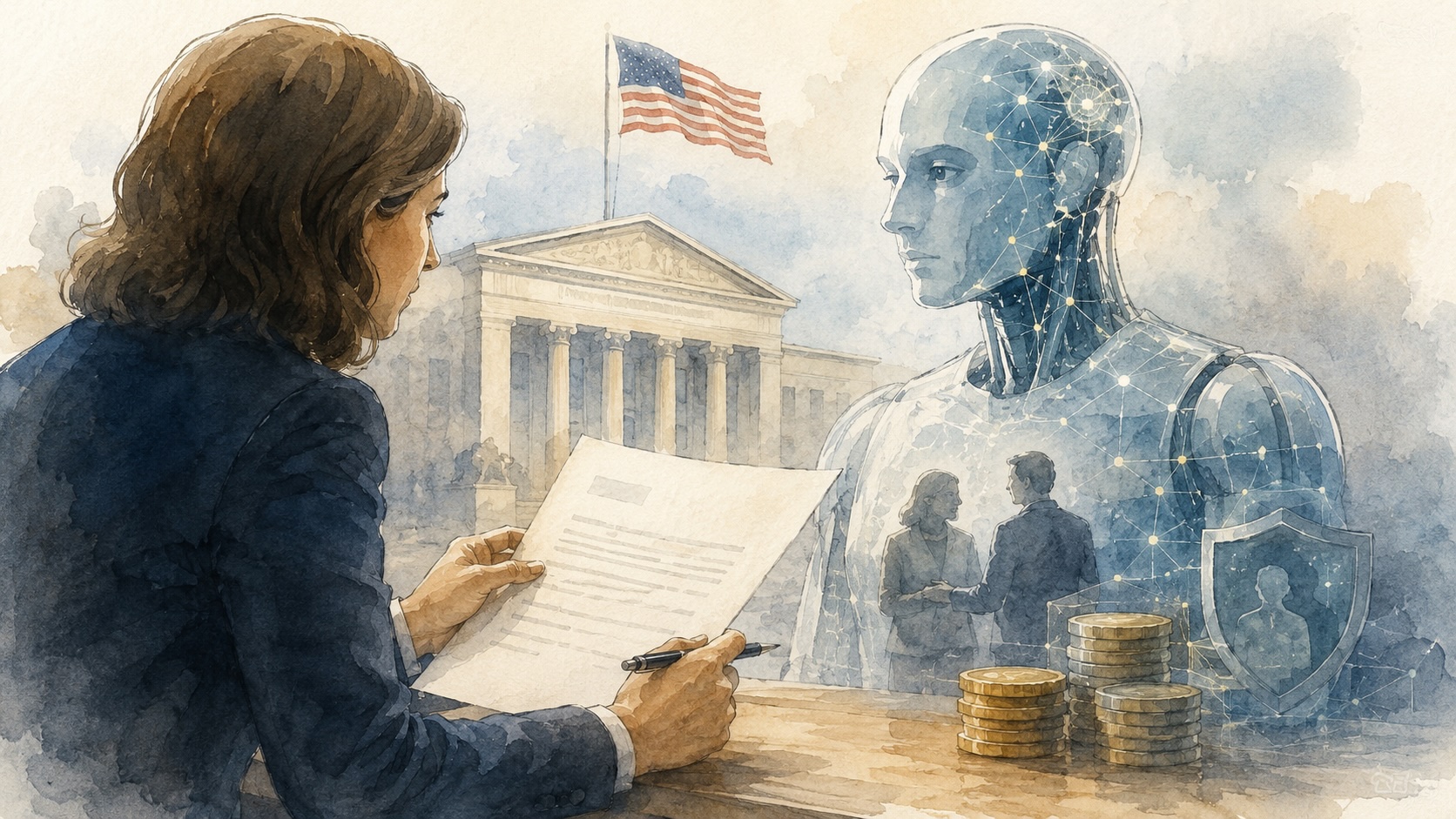
House Democrats asked SEC Chair Paul Atkins for written answers by July 31 on how the agency oversees AI-powered investment advisors and whether it needs new authority.
A group of House Democrats sent a letter to Securities and Exchange Commission Chair Paul Atkins on Tuesday requesting written answers by July 31 on how the SEC oversees AI-powered investment advisors and whether the agency has the legal authority to address risks from those tools.
The letter was led by Representatives Bill Foster and Brad Sherman, the top Democrats on the House Financial Services subcommittees for Financial Institutions and Capital Markets. Representatives Stephen Lynch, Jim Himes, Sean Casten, Rashida Tlaib, Brittany Pettersen and Sylvia Garcia also signed the letter.
The lawmakers wrote that platforms offering AI trading agents to retail investors “raises serious questions for investor protection, broker-dealer responsibilities, market integrity, and the accountability of AI developers.” The letter added that such agents have “operated largely outside the securities regulatory framework” even as they make consequential investment decisions on behalf of retail investors.
The letter noted that agentic trading has grown among cryptocurrency users and is spreading to retail investors in traditional equities as more users seek automated strategies. The lawmakers warned the practice could expand into options, cryptocurrency, event contracts and futures.
As an example, the letter pointed to a recent product release from a major crypto exchange that introduced an AI agent integrated into its app this month; the company described the tool as a Securities and Exchange Commission- and Commodity Futures Trading Commission-registered financial adviser that can provide trade guidance.
The lawmakers highlighted disclosure language on some platforms that says brokerages cannot guarantee the “accuracy or suitability” of AI outputs and that platforms cannot control, monitor or audit the agents. They wrote those disclaimers “raise urgent questions about the regulatory treatment of agentic trading tools and create uncertainty regarding legal responsibility among brokers, AI developers and retail investors.”
Among the questions the Democrats asked the SEC to address are what guardrails or analysis the agency has conducted on AI trading agents, how the SEC determines when an AI agent must register, and the extent of the agency’s consultations with platforms offering these tools. The letter also asked whether existing securities statutes give the SEC the authority needed to address the risks posed by AI agents or whether congressional action is required.
The lawmakers requested written responses to their list of detailed questions to assess whether current securities rules cover these technologies and to identify any regulatory or legislative actions that may be needed.
The material on GNcrypto is intended solely for informational use and must not be regarded as financial advice. We make every effort to keep the content accurate and current, but we cannot warrant its precision, completeness, or reliability. GNcrypto does not take responsibility for any mistakes, omissions, or financial losses resulting from reliance on this information. Any actions you take based on this content are done at your own risk. Always conduct independent research and seek guidance from a qualified specialist. For further details, please review our Terms, Privacy Policy and Disclaimers.
Articles by this author