Kazakhstan uses flare gas to power bitcoin miners
Oil producers in western Kazakhstan are using associated petroleum gas to run generators that power containerized bitcoin rigs, offering off-grid electricity and lower costs.
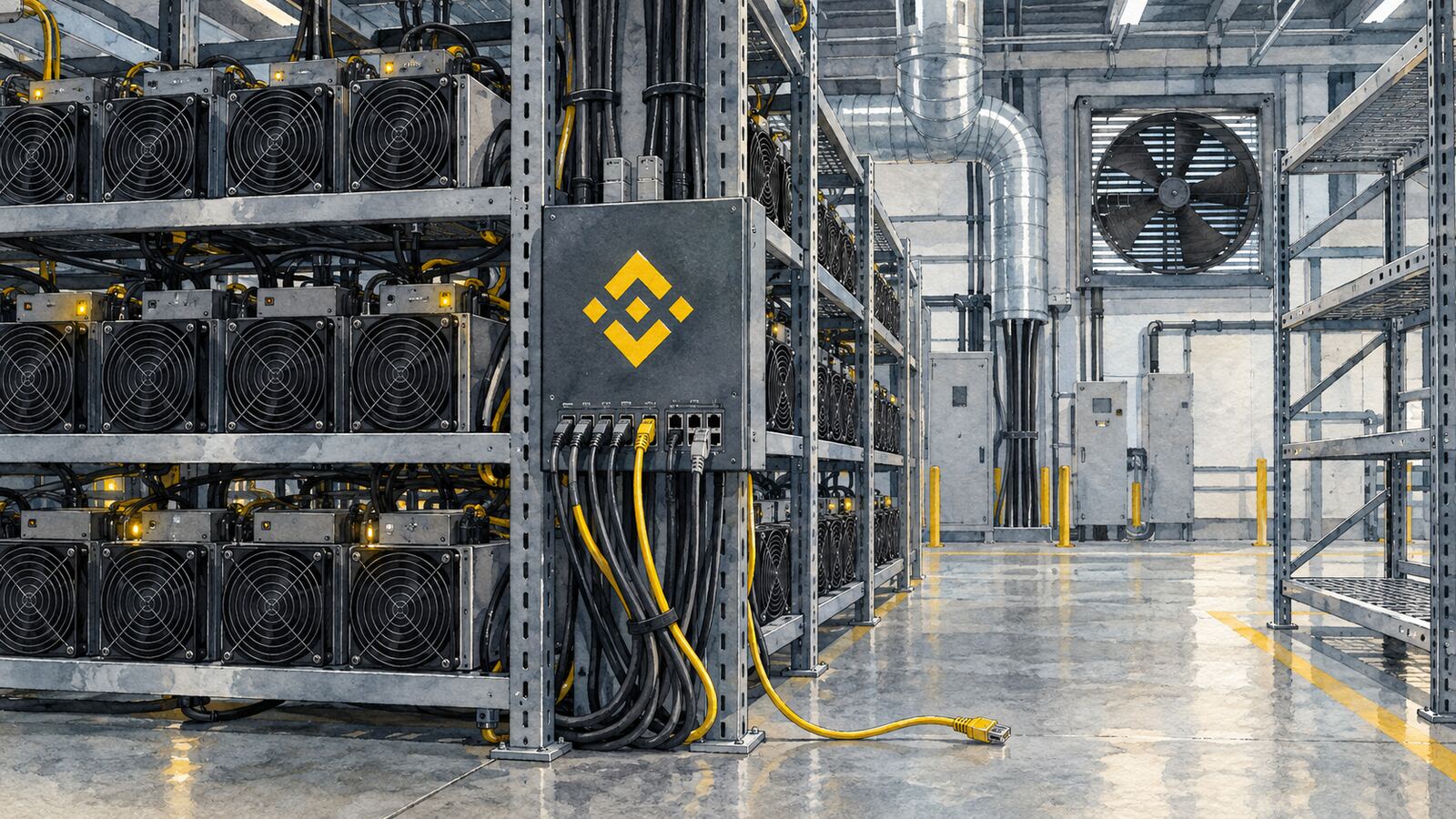
Companies have begun installing mobile gas-to-power units and containerized bitcoin farms at oil sites in Atyrau and Mangystau in western Kazakhstan. The units use associated petroleum gas captured at wellheads to run generators that feed racks of ASIC miners.
Operators place modular power units, step-up transformers and containerized miner racks near processing facilities to operate off-grid. Running on-site power can lower operating costs compared with buying electricity from the national grid.
Associated petroleum gas is a byproduct of oil extraction that is often flared when pipelines or processing capacity are not available. Converting that gas into electricity prevents routine flaring and creates a new revenue option for oil producers.
The setups have been installed in recent months as miners and oil companies pursue ways to manage power demand and costs. Using flare gas lets operators avoid drawing additional grid capacity during winter peaks and reduces the risk of power cuts that have previously disrupted mining.
For oil firms, replacing flaring with on-site generation removes a disposal cost and allows them to sell power or share earnings with mining partners. Miners gain lower and more predictable energy prices for their energy-intensive hardware.
Environmental effects are mixed. Burning associated gas in generators reduces volumes flared in the open air, but combustion produces carbon dioxide. The approach cuts uncontrolled emissions at some fields but does not eliminate greenhouse-gas emissions from electricity used in mining.
Kazakhstan became a major destination for miners after China limited operations in 2021. Rapid growth led regulators to tighten licensing and introduce seasonal restrictions on power use. Industry participants and officials are testing gas-to-power setups as one option to supply miners while managing grid load and emissions.
The material on GNcrypto is intended solely for informational use and must not be regarded as financial advice. We make every effort to keep the content accurate and current, but we cannot warrant its precision, completeness, or reliability. GNcrypto does not take responsibility for any mistakes, omissions, or financial losses resulting from reliance on this information. Any actions you take based on this content are done at your own risk. Always conduct independent research and seek guidance from a qualified specialist. For further details, please review our Terms, Privacy Policy and Disclaimers.
Articles by this author