G20 backs global rules to regulate digital assets
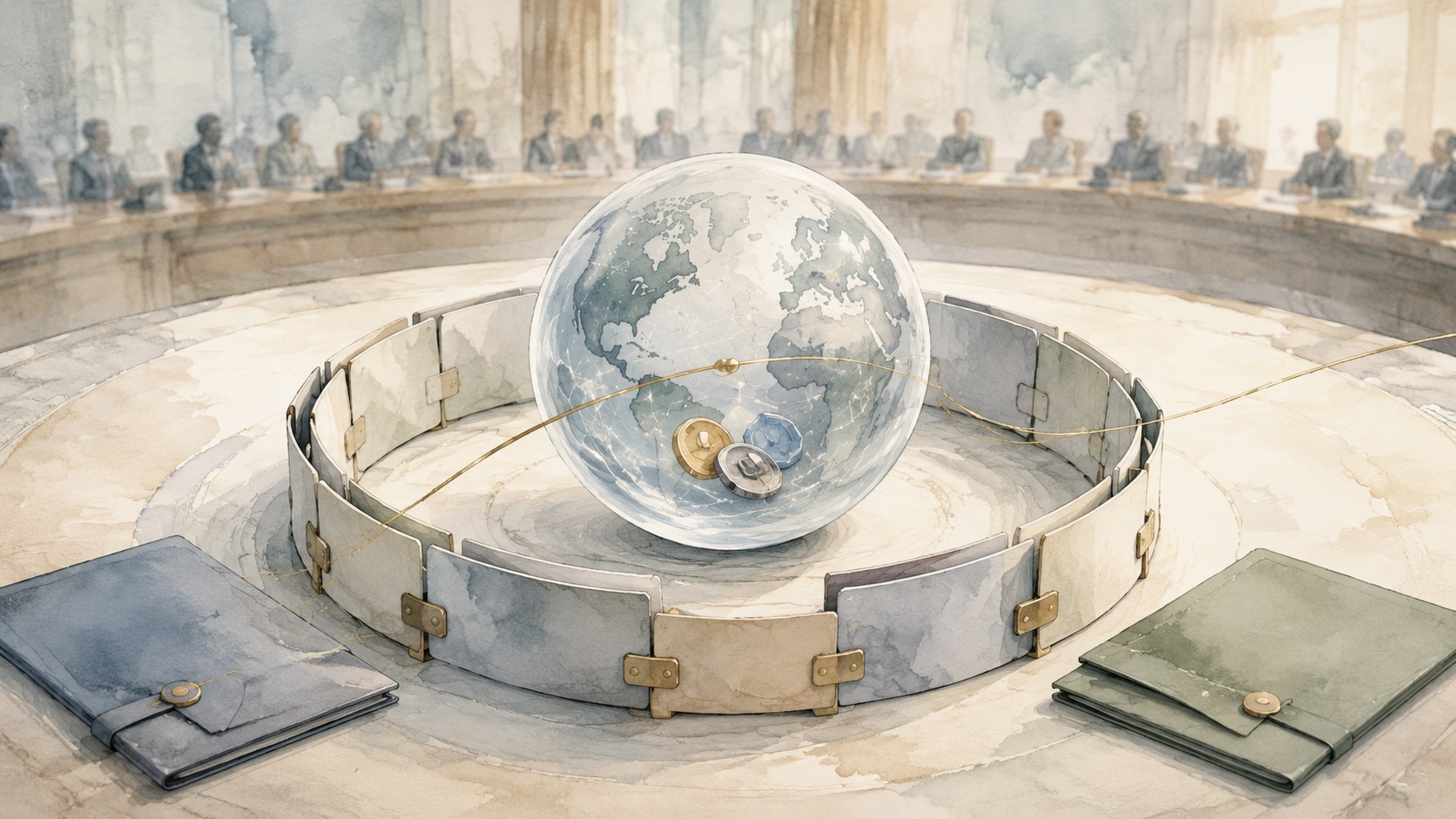
G20 leaders backed coordinated international rules at their recent summit to regulate digital assets and asked global bodies to speed work on markets, stablecoins and cross-border payments.
G20 leaders at their recent summit endorsed a coordinated regulatory framework to support growth in digital assets while reducing risks to consumers and to financial stability.
The leaders asked global standard‑setting bodies to accelerate work on common principles for digital‑asset markets, stablecoins and cross‑border payments. The communique directed the Financial Stability Board, the Financial Action Task Force, the International Monetary Fund and the Bank for International Settlements to intensify technical work and issue guidance that countries can use to design consistent regimes.
The statement highlighted priorities for national regulators, including licensing and supervision of crypto‑asset service providers, custody standards and safeguarding of client assets, transparency requirements for token issuers and strengthened rules for stablecoins used in cross‑border payments. The communique also called for operational resilience and cybersecurity expectations for market infrastructure that supports digital assets.
Leaders noted that differing national approaches and gaps in oversight have created risks that could undermine market confidence and enable illicit activity. The text warned against the proliferation of unbacked or poorly governed tokens and nontransparent market practices that can expose retail investors and financial institutions to sudden losses.
The G20 urged jurisdictions to adopt proportionate, risk‑based approaches aligned with international standards. Multilateral organisations were asked to identify gaps in existing frameworks and to recommend sequencing and implementation tools so countries with different capacities can meet common objectives. The communique invited continued engagement with private sector firms and civil society to ensure rules reflect market structure and technical realities.
Officials from financial regulators and central banks who met before the leaders’ summit repeated the need to balance innovation and safety. They pointed to recent high‑profile failures and episodes of market volatility as reasons to clarify rules on disclosure, reserve backing for payments tokens and standards for third‑party service providers.
The communique referenced past episodes that prompted global scrutiny of crypto markets, including major exchange failures and the collapse of prominent algorithmic stablecoins that produced investor losses and contagion effects. The statement noted that some jurisdictions have already implemented comprehensive rulebooks while others have pursued bans, licensing regimes or enforcement actions.
Leaders also restated support for research and experimentation on central bank digital currencies and asked for continued international cooperation to explore interoperability and cross‑border use cases. The communique requested work to ensure any CBDC development is compatible with measures to combat illicit finance and protect data privacy.
The G20 stopped short of prescribing a single regulatory model, instead urging recognition of national policy choices within an agreed set of objectives and standards. The communique set an expectation that governments and supervisors will publish timelines and roadmaps for implementing measures consistent with guidance from international bodies.
The material on GNcrypto is intended solely for informational use and must not be regarded as financial advice. We make every effort to keep the content accurate and current, but we cannot warrant its precision, completeness, or reliability. GNcrypto does not take responsibility for any mistakes, omissions, or financial losses resulting from reliance on this information. Any actions you take based on this content are done at your own risk. Always conduct independent research and seek guidance from a qualified specialist. For further details, please review our Terms, Privacy Policy and Disclaimers.
Articles by this author