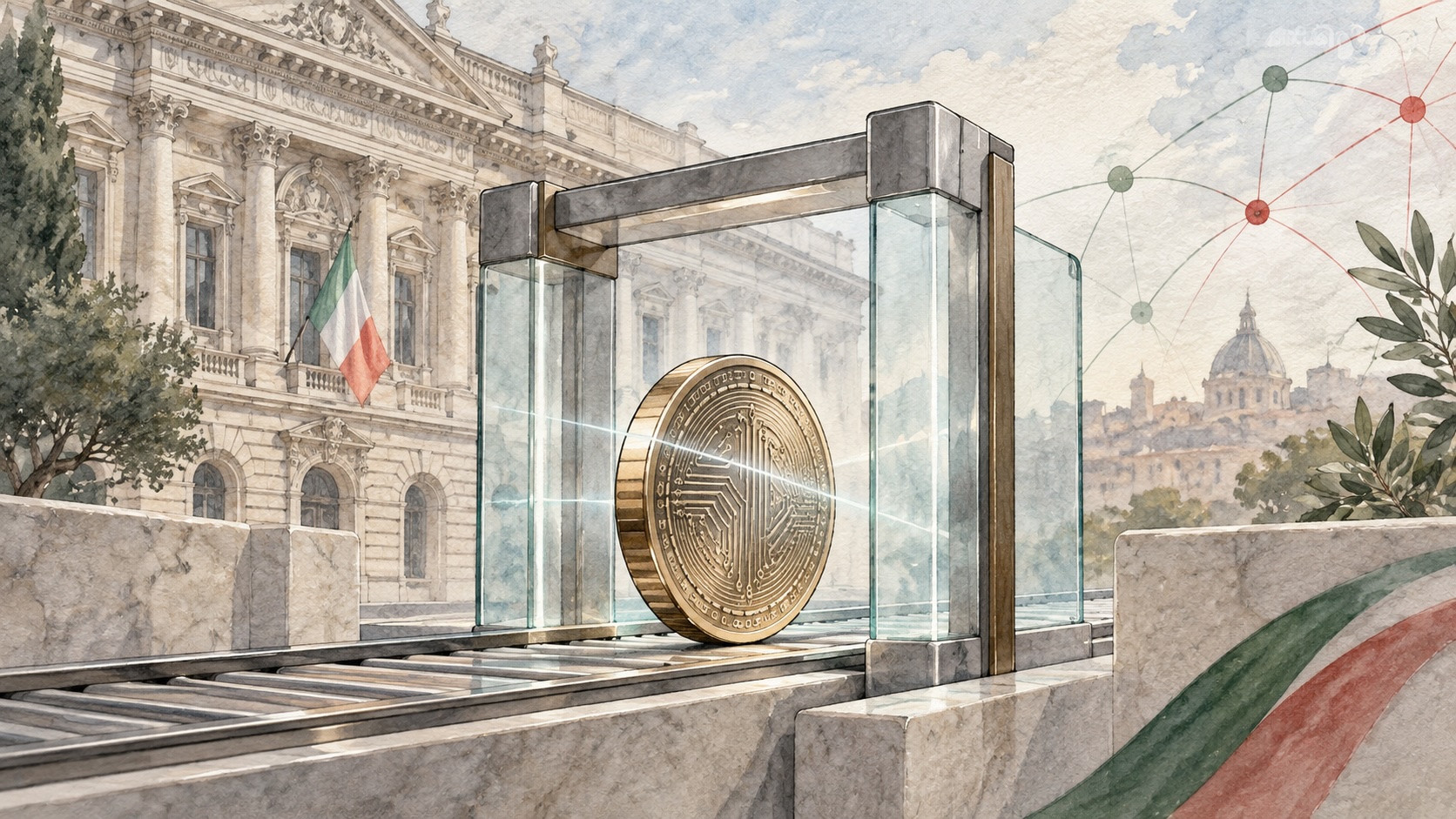
De minimis tax exemption may ease Bitcoin selling pressure
A proposal to exempt low-value crypto disposals from capital-gains tax aims to reduce retail selling and simplify reporting, industry groups and advisers argue.
A proposal to exempt low-value cryptocurrency disposals from capital-gains reporting and tax has been advanced by industry groups and some tax advisers. Backers argue the change would simplify record-keeping for retail users and could reduce selling pressure on Bitcoin by keeping more coins out of circulation.
Under current tax rules in many jurisdictions, converting even a small amount of crypto into fiat or spending it can trigger a capital-gains event that must be reported. Tracking cost basis across many small transactions can be complex for individual holders.
Supporters include payments firms, retail exchanges and crypto advocacy organizations that have lobbied regulators and lawmakers. They contend that treating tiny transactions as de minimis would align crypto tax policy with how some countries treat low-value foreign transactions and small mailed goods, and would make routine spending more practical for consumers and merchants.
According to a tax policy analyst, “Exempting small transactions from capital-gains reporting would let users spend crypto without triggering paperwork or sudden sell-offs to cover taxes.” Advocates say the administrative burden of tracking cost basis discourages merchants from accepting crypto and leads some holders to convert assets to cash to avoid complex reporting.
Tax authorities and compliance specialists warn a broad exemption could create loopholes for tax avoidance. A compliance expert cautioned that thresholds need clear limits and safeguards to prevent layering many small transactions to evade tax rules.
Officials and industry participants are discussing details such as the size of the de minimis threshold, whether transactions should be aggregated annually, and whether exemptions should apply only to on-chain peer-to-peer payments or to merchant point-of-sale systems. Exchanges and custodial services would still be expected to report larger transactions and comply with know-your-customer requirements.
Proponents describe two channels by which a de minimis exemption might affect Bitcoin’s price: fewer forced sales by users covering tax bills and higher transactional demand if more merchants accept crypto. Economists and tax scholars note the actual price impact would depend on the threshold, holder behavior and other market factors including macroeconomic conditions and additional regulatory changes.
Any legislative or regulatory change would require clear definitions and guidance for taxpayers and reporting entities. Lawmakers will face the task of simplifying small-value crypto use while setting rules to prevent misuse and preserve tax compliance.
The material on GNcrypto is intended solely for informational use and must not be regarded as financial advice. We make every effort to keep the content accurate and current, but we cannot warrant its precision, completeness, or reliability. GNcrypto does not take responsibility for any mistakes, omissions, or financial losses resulting from reliance on this information. Any actions you take based on this content are done at your own risk. Always conduct independent research and seek guidance from a qualified specialist. For further details, please review our Terms, Privacy Policy and Disclaimers.
Articles by this author