Tron AML Check: Why USDT Deposits Get Frozen and How to Check Your Wallet Before Sending
USDT deposits on Tron can be delayed, restricted, or flagged by exchanges when transaction history shows AML risk signals. Learn how these checks work, why they happen, and which factors can affect a wallet’s risk profile.
Sending USDT on the Tron network feels fast and cheap, which is exactly why so many people use it every day. But that convenience comes with a catch few beginners hear about until it hits them: your deposit can be frozen, blocked, or flagged the moment it lands on an exchange. Running a simple tron aml check before you move funds can save you from a headache that sometimes takes weeks to sort out, and occasionally never gets resolved at all. This guide walks through why freezes happen, how the systems behind them work, and what you can actually do to protect your money.
What Actually Gets Frozen, and by Whom
First, a quick clarification, because the word “frozen” gets thrown around loosely.
USDT on Tron is issued by Tether. Tether has the technical ability to blacklist a specific address, which means the tokens sitting in that wallet can no longer be moved. When people say a wallet is “blacklisted,” this is usually what they mean. It’s rare, but it does happen, and it’s permanent unless Tether acts.
Far more common is an exchange freeze. Here, Tether isn’t involved at all. You deposit USDT to a centralized platform like Binance, OKX, or a smaller exchange, and their internal system flags the deposit as risky. Your account gets locked, your withdrawal is paused, and support asks you to explain where the funds came from. The tokens themselves are fine on the blockchain. It’s the exchange holding them hostage while they review.
Knowing which type you’re dealing with matters, because the fixes are completely different.
Why USDT Deposits Get Flagged
Exchanges are legally required to watch for dirty money. Anti-money-laundering rules force them to track where deposits originate and to block anything tied to crime, sanctions, or fraud. Their compliance software scores every incoming transaction, and if your deposit crosses a risk threshold, it gets held.
The frustrating part? You don’t have to do anything wrong to get caught. The system looks at the history of the coins, not just your intentions. If those coins passed through a bad address at some point before reaching you, that stain can follow them.
Here are the situations that most often trigger a freeze:
- Funds linked to a known scam or hack. If your USDT traces back to a stolen-funds address, exchanges treat it as tainted.
- Coins that touched a sanctioned service. Mixers, certain gambling platforms, and darknet markets are automatic red flags.
- Peer-to-peer trades gone wrong. You sold crypto to someone who paid with money from fraud, and now the buyer’s dirty payment triggers a chargeback dispute that loops back to your deposit.
- High-risk exchanges or bridges upstream. Receiving from a platform with weak compliance can raise your own score.
- Rapid layering patterns. Funds bounced through many wallets quickly, a behavior associated with hiding origins.
None of these require you to be a criminal. Buying USDT from a random person on a P2P marketplace is enough to inherit someone else’s problem.
How Compliance Systems Score Risk
Behind the scenes, exchanges rely on blockchain analytics firms. These companies map out addresses, label them, and build a risk profile for nearly every wallet on Tron and other chains. When your deposit arrives, the exchange checks the sending address and the chain of transactions behind it. The software assigns a percentage or a risk category, then decides:
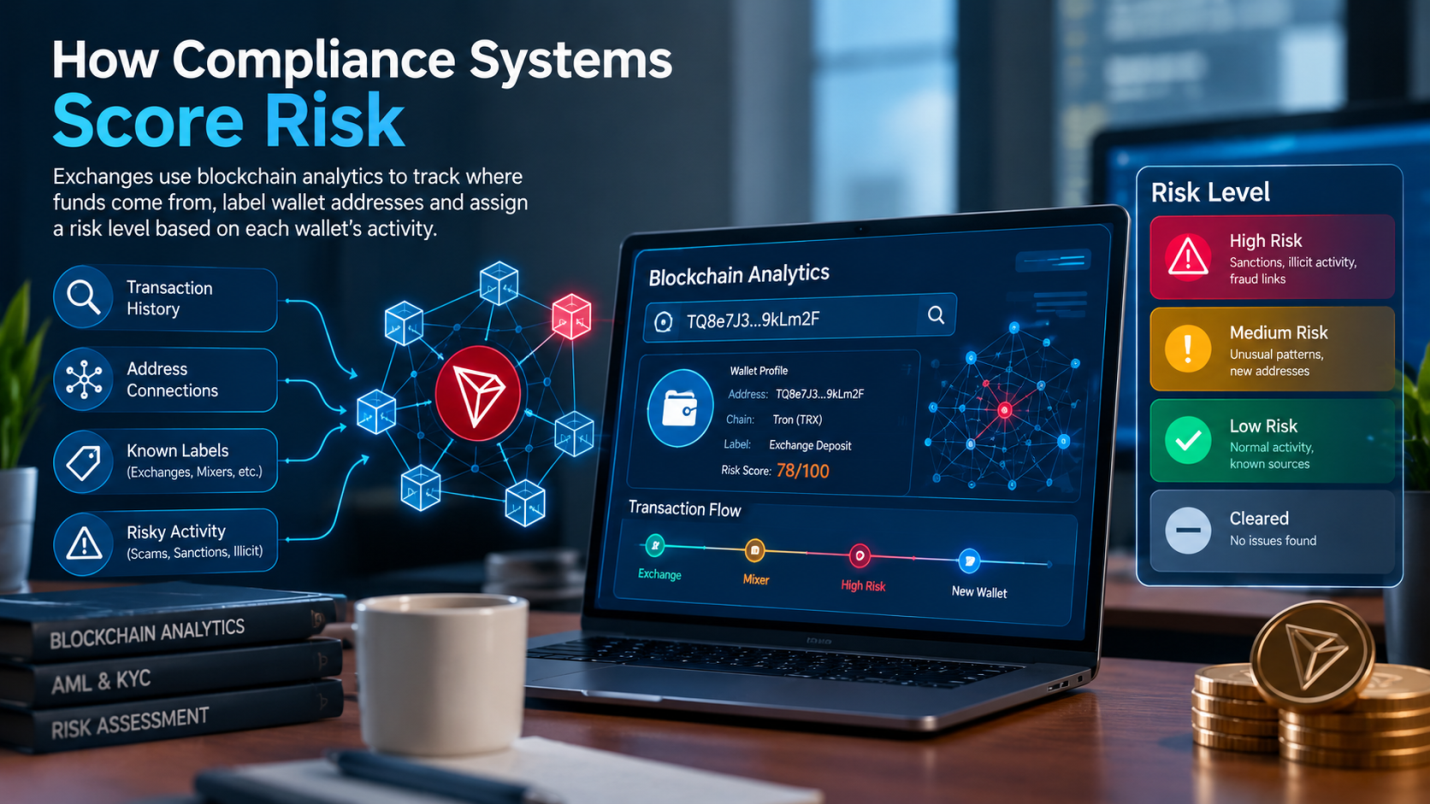
- Clean funds pass through instantly.
- Medium-risk funds might get held for a manual look.
- High-risk funds get frozen and escalated to a compliance officer.
The scoring isn’t just about the direct sender. Analysts trace several “hops” backward. So even if the person who paid you is honest, the wallet that paid them might not be. This is why a deposit can look perfectly normal to you and still get blocked.
Different exchanges use different providers and set their own thresholds. That’s why the same USDT might sail through one platform and get frozen on another. There’s no single universal standard, which makes the whole thing feel unpredictable from the outside.
What Wallet Contamination Means
Contamination is a useful way to picture the problem. Think of your USDT balance as water in a tank. If someone pours in a cup of polluted water, the whole tank carries a trace of it, even after you’ve used most of the clean water for other things. On the blockchain, once tainted coins mix with your holdings, the association sticks. Analytics tools can’t always separate the “good” tokens from the “bad” ones inside a single wallet, so they treat the address as partly contaminated.
A few things make this worse:
- Reusing one address for everything. Every incoming payment adds to your wallet’s history. One bad deposit years ago can still affect you.
- Consolidating funds. Sweeping many small amounts into a single wallet mixes their histories together.
- Accepting payments from strangers. Each new sender brings their own risk profile into your address.
The takeaway is simple. Your wallet’s reputation is the sum of everyone who ever sent it, not just your own behavior.
What to Check Before You Send Funds
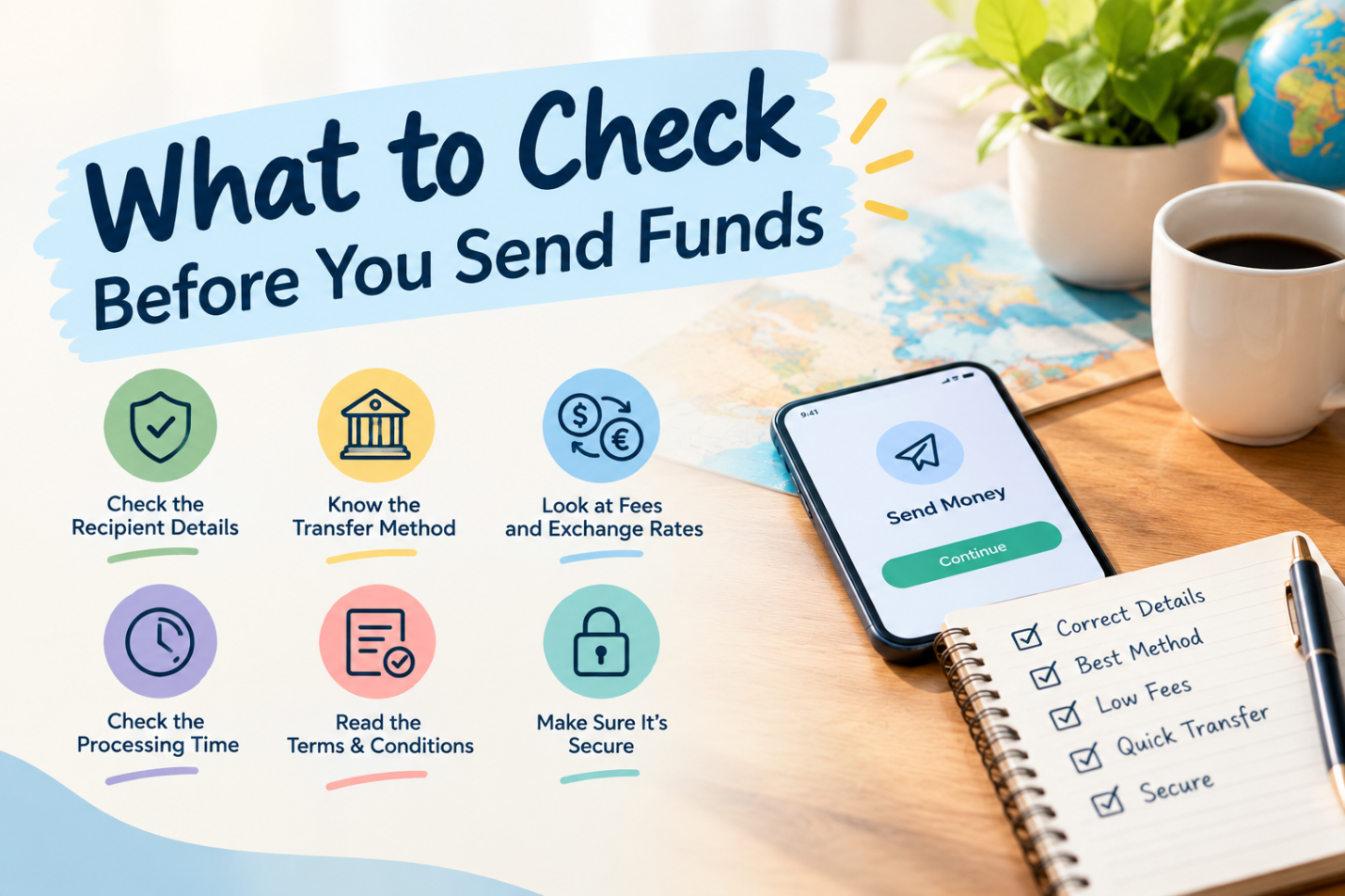
A little caution can help prevent your USDT deposit from being frozen later. Before sending or receiving funds, check where the coins came from and be cautious with payments from unknown P2P users. Screen the sending wallet using a blockchain explorer or wallet screening tool to identify links to scams, mixers, or sanctioned entities. You should also review the transaction history for unusual activity, such as many small transfers, suspicious addresses, or unfamiliar services. Finally, consider keeping your holdings in separate wallets for different purposes. These simple checks only take a few minutes but can help you avoid lengthy fund recovery processes.
Practical Steps to Lower Your Risk
You cannot control the entire history of every USDT transaction, but you can reduce your exposure by following a few simple habits. Choosing trusted sources, keeping proper records, checking unfamiliar transactions, and separating your funds can make it easier to spot problems before they reach an exchange. These steps do not guarantee that a deposit will never be flagged, but they give you better control and useful evidence if an issue arises.
Buy From Trusted Sources
Whenever possible, purchase USDT through a reputable exchange or established platform where the transaction comes with a clear record. P2P purchases may offer better prices, but they can also expose you to funds connected to questionable activity. Keeping screenshots, transaction IDs, receipts, and relevant chat records can also help prove where your funds came from if an exchange asks for verification.
Avoid High-Risk Transactions
Stay away from mixers, suspicious bridges, and services that make it difficult to trace where funds originated. Even when you have a legitimate reason for using them, such activity can increase compliance concerns. If you receive USDT from someone you do not know, consider moving it to your own wallet first and screening the transaction before depositing it to an exchange.
Separate and Test Your Funds
Using different wallets for different purposes can help prevent one questionable transaction from affecting your entire balance. For large or sensitive transfers, consider using a fresh address and sending a small test amount first. If the transaction clears normally, you can proceed with the larger transfer. These precautions take only a few extra minutes but can reduce your risk and give you more options if something goes wrong.
What to Do If Your Deposit Gets Frozen
If it happens anyway, stay calm and act quickly. Contact the exchange’s support and provide whatever documentation you have about the source of funds. Be honest and specific, because vague answers slow things down. If the exchange asks for a purchase invoice or a P2P record, send it promptly. For a Tether blacklist, the situation is harder, and there’s usually little a regular user can do beyond reporting the theft or fraud that caused it. This is why prevention matters so much more than cure.
Before You Send Your Next USDT Transfer
Frozen USDT deposits on Tron aren’t random bad luck. They come from a system built to trace dirty money, and that system judges your coins by the company they’ve kept, not by who you are. The good news is that most freezes are avoidable with a bit of care. Screen addresses before you send or accept large amounts, buy from reputable sources, and always keep proof of where your funds came from. Separate your wallets so one bad batch can’t spoil everything, and stay away from mixers and platforms with weak compliance. Treat every deposit as something with a history, because it always has one. A few minutes of checking beats weeks of trying to free stuck funds. Whether you’re new to crypto or you’ve been trading for years, that mindset will keep your USDT moving and your account out of trouble.
The material on GNcrypto is intended solely for informational use and must not be regarded as financial advice. We make every effort to keep the content accurate and current, but we cannot warrant its precision, completeness, or reliability. GNcrypto does not take responsibility for any mistakes, omissions, or financial losses resulting from reliance on this information. Any actions you take based on this content are done at your own risk. Always conduct independent research and seek guidance from a qualified specialist. For further details, please review our Terms, Privacy Policy and Disclaimers.
Articles by this author