Community banks sue over OCC crypto trust charters
The ICBA sued the OCC in federal court, arguing that charters approved for crypto firms exceed the agency’s authority and bypass requirements for insured banks.
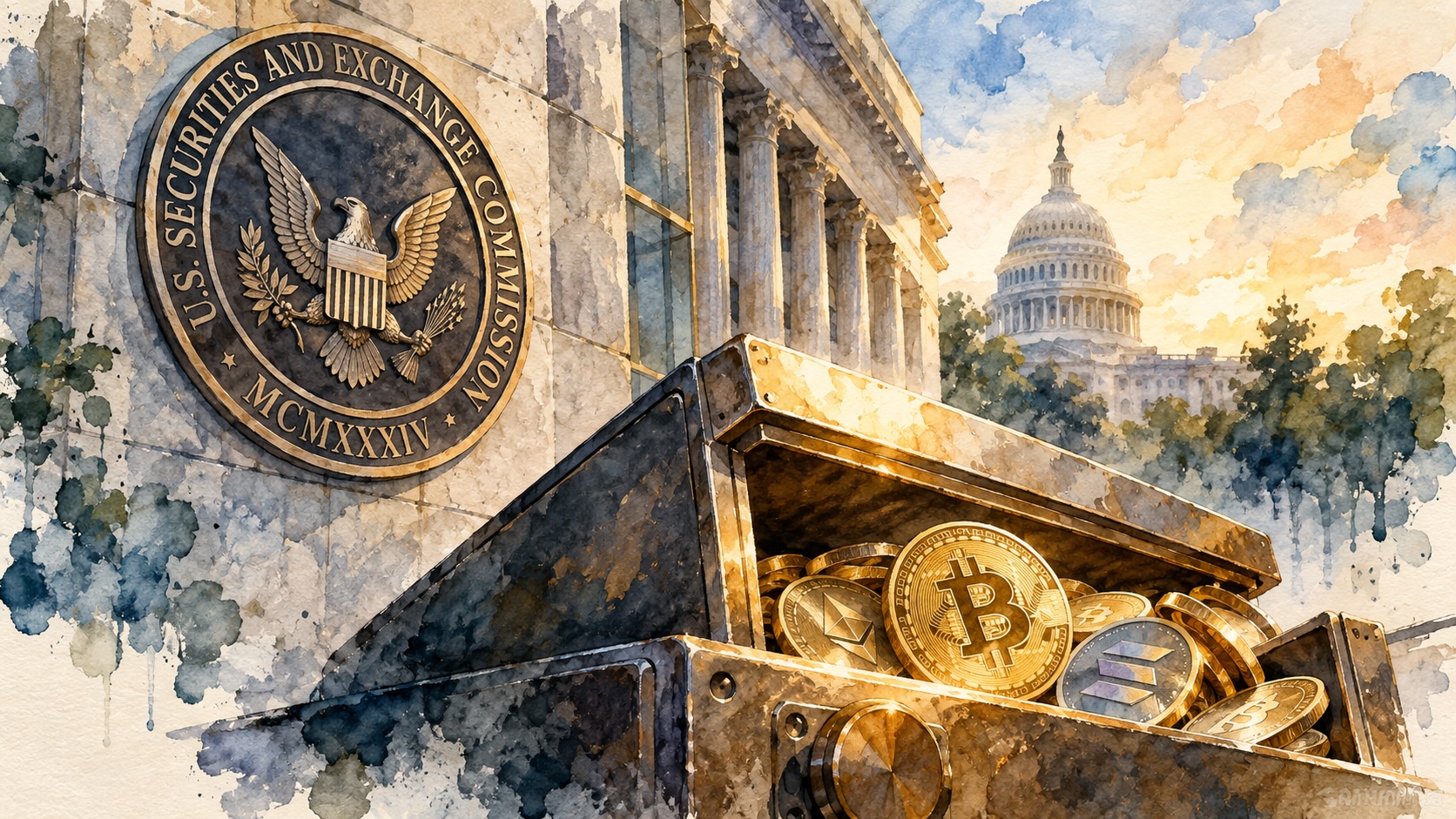
The Independent Community Bankers of America filed a lawsuit Friday against the Office of the Comptroller of the Currency in the U.S. District Court for the District of Columbia. The group claims the OCC exceeded its legal authority by approving national trust bank charters for cryptocurrency companies.
The ICBA alleges that the charters give crypto firms the status of a federal bank without requiring them to meet safeguards that apply to insured commercial banks. The group is asking the court to require the OCC to follow the limits set by Congress.
In a statement, ICBA President and CEO Rebeca Romero Rainey argued that the OCC lacks authority to let companies use national trust charters for substantial nonfiduciary activities. She added that Congress did not create the charters to give crypto companies a federal banking designation without requirements under the Community Reinvestment Act, consolidated supervision, capital and liquidity standards, and Federal Deposit Insurance Corp. coverage.
The OCC did not respond to a request for comment by the time of publication. During President Donald Trump’s administration and Jonathan Gould’s tenure as comptroller, the agency has approved or conditionally approved multiple applications from crypto companies seeking trust charters to expand their U.S. operations.
National trust bank charters differ from conventional commercial bank charters. Companies with these charters cannot accept deposits or issue loans, according to details in the approvals.
The material on GNcrypto is intended solely for informational use and must not be regarded as financial advice. We make every effort to keep the content accurate and current, but we cannot warrant its precision, completeness, or reliability. GNcrypto does not take responsibility for any mistakes, omissions, or financial losses resulting from reliance on this information. Any actions you take based on this content are done at your own risk. Always conduct independent research and seek guidance from a qualified specialist. For further details, please review our Terms, Privacy Policy and Disclaimers.
Articles by this author