Apple’s Bitcoin Plans Extend Beyond John Ternus
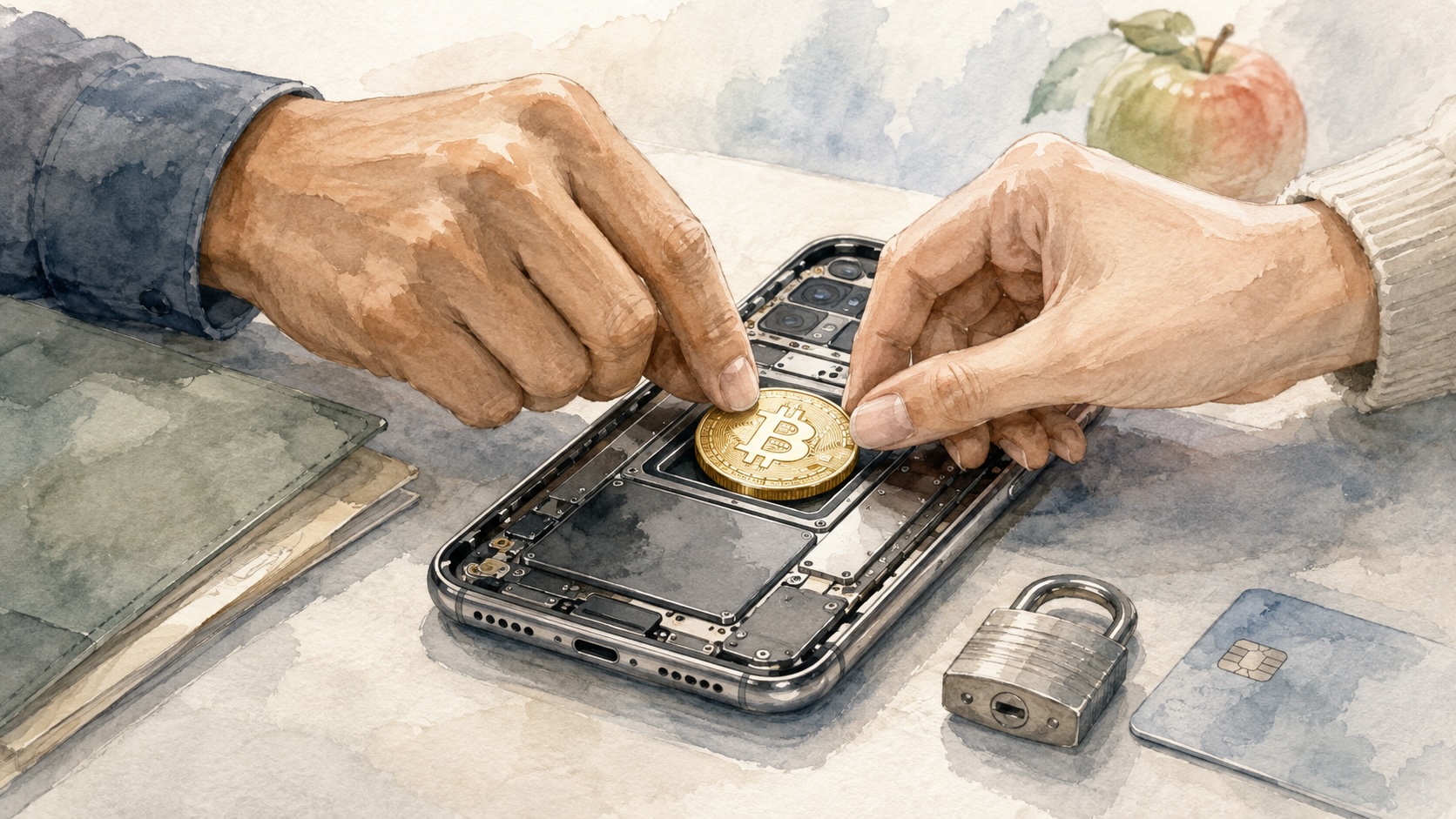
Apple would need coordination across hardware, software, security, legal and payments teams, plus external partners and regulators, to add Bitcoin features to iPhones or its payments services.
Apple’s effort to add Bitcoin features would require coordination across multiple internal teams, external partners and regulatory bodies rather than resting on a single executive.
Hardware teams that report to John Ternus, Apple’s senior vice president of Hardware Engineering, would handle Secure Enclave changes and other device-level security work. Software teams responsible for operating systems and apps would design user interfaces, key management and transaction flows. Apple’s security and privacy groups would set rules for how private keys are stored and accessed. The Wallet and Apple Pay product teams would assess how crypto balances and transfers fit into existing services.
Legal, compliance and government affairs teams would review rules in different markets. Regulators in the United States, Europe and elsewhere have different standards for custody, anti-money laundering controls and consumer disclosures. Those rules affect whether Apple could offer native custody of Bitcoin, custody-as-a-service through third-party partners, or only wallet interfaces that connect users to external custodians. Apple’s App Store policies have previously limited certain cryptocurrency apps and mining features, and any new native functionality would likely require policy changes and external approvals.
Technical challenges include secure, auditable signing of transactions on device without exposing private keys and maintaining cryptographic integrity through software updates and across hardware generations. If Apple were to support faster Bitcoin payments via second-layer solutions such as the Lightning Network, the company would need to decide whether to operate nodes itself or rely on third-party routing services and how to manage liquidity and fees.
Third-party relationships with banks, card networks and payments processors would need to address how crypto flows interact with traditional rails and existing fraud controls. Exchanges and custodians would be important if Apple chose to broker custodial services instead of storing private keys. In jurisdictions with stricter licensing for crypto providers, Apple might be limited to enabling wallet apps or facilitating connections to licensed entities.
Investor and customer expectations, device support timelines and Apple’s broader product roadmap would factor into any release plan. Decisions about how long older iPhone models would support a crypto feature would require coordination between hardware and software teams. App Store policies and developer tools could need updates if native Bitcoin features introduce new developer interactions or data flows.
John Ternus oversees chip and device engineering and Secure Enclave development. Apple’s Wallet and Apple Pay functions are managed by separate software and product teams. Apple has previously allowed some cryptocurrency apps under specific conditions while restricting others. Regulatory frameworks for crypto have changed in recent years, with different jurisdictions imposing rules on custody, anti-money laundering and consumer protection.
Any path toward deeper Bitcoin integration at Apple would involve work across multiple internal groups, external partners and legal frameworks rather than the responsibility of one executive.
The material on GNcrypto is intended solely for informational use and must not be regarded as financial advice. We make every effort to keep the content accurate and current, but we cannot warrant its precision, completeness, or reliability. GNcrypto does not take responsibility for any mistakes, omissions, or financial losses resulting from reliance on this information. Any actions you take based on this content are done at your own risk. Always conduct independent research and seek guidance from a qualified specialist. For further details, please review our Terms, Privacy Policy and Disclaimers.
Articles by this author