U.S. seeks $1.1 billion in crypto tied to Binance hack
The Justice Department filed a civil forfeiture complaint for more than $1.1 billion in USDC linked to the Oct. 29 Binance hack and North Korean hacking groups.
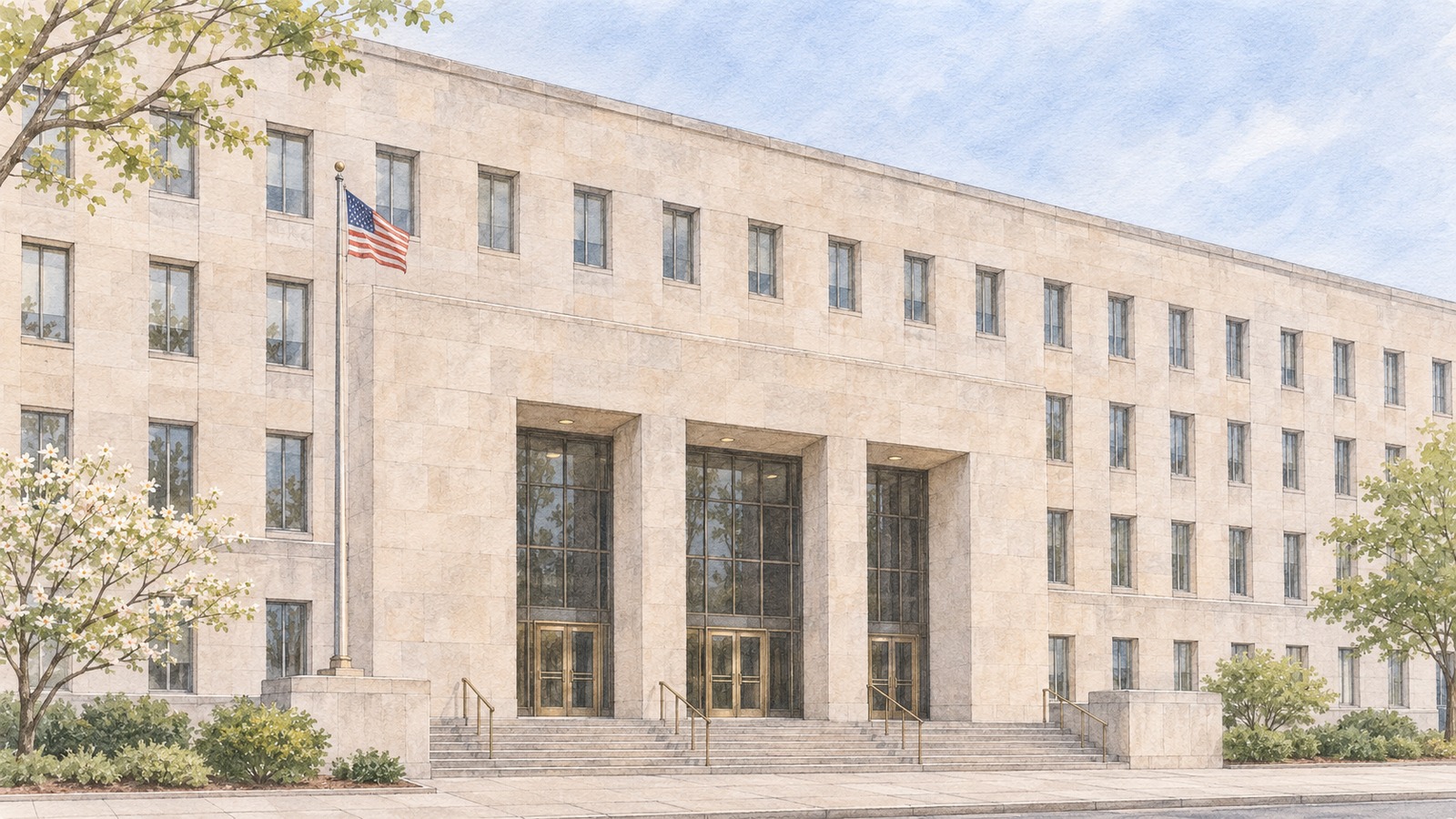
The U.S. Justice Department filed a civil forfeiture complaint Nov. 23 in Washington, D.C., seeking more than $1.1 billion in USDC linked to the Oct. 29 hack of cryptocurrency exchange Binance. Investigators have linked the wider theft to North Korean groups.
The complaint identifies funds held across 36 addresses on 18 blockchains. It asks the court to permanently forfeit the assets to the U.S. government. A court order issued Nov. 6 allowed authorities to restrain more than $1.2 billion in related assets for 14 days while investigators examined their origin.
The FBI, Secret Service and Internal Revenue Service Criminal Investigation are investigating the theft. Authorities estimate that hackers took about $6.3 billion. Blockchain analytics firm Elliptic has estimated the losses at $6.43 billion.
Investigators have linked the attack to North Korean groups including TraderTraitor, Lazarus and APT38. Binance has said attackers gained access to its systems after tricking an employee into downloading malicious software.
Circle, the issuer of USDC, froze the targeted funds after prosecutors sought legal restrictions. The Justice Department identified the tokens as stolen proceeds and assets transferred through laundering transactions. U.S. authorities and cryptocurrency companies have helped freeze, seize or return nearly $3 billion connected to the theft.
“Following the Binance theft, the FBI and our partners moved quickly to trace and freeze stolen assets and share critical information with virtual asset service providers,” Brett Leatherman, operations director of the FBI’s cyber division, said in a statement.
Elliptic traced the stolen funds through thousands of wallets and at least 16 blockchains. It reported that at least $247 million in Bitcoin had passed through crypto mixers, which are services that make transactions harder to trace. The 18,270 Bitcoin stolen directly from Binance had not moved since the attack, according to the firm.
Binance has pursued separate recovery efforts. Binance’s freezing order, issued on Nov. 18 by the Abu Dhabi Global Market Courts, covers $6.5 billion. The order targets unidentified attackers and allows legal notices to be delivered through blockchain transactions to wallets linked to the theft.
A hearing scheduled for Dec. 1 will consider whether restrictions on the assets should remain in place. Binance has used corporate funds and insurance reserves to replace the affected assets, committed more than $6.34 billion to cover losses and maintained that customer funds were safe.
Reviewed and fact-checked by Alex Panasenko on November 24.
Articles by this author