Coinbase Blocks $4.7M Scam Using Musk Deepfake
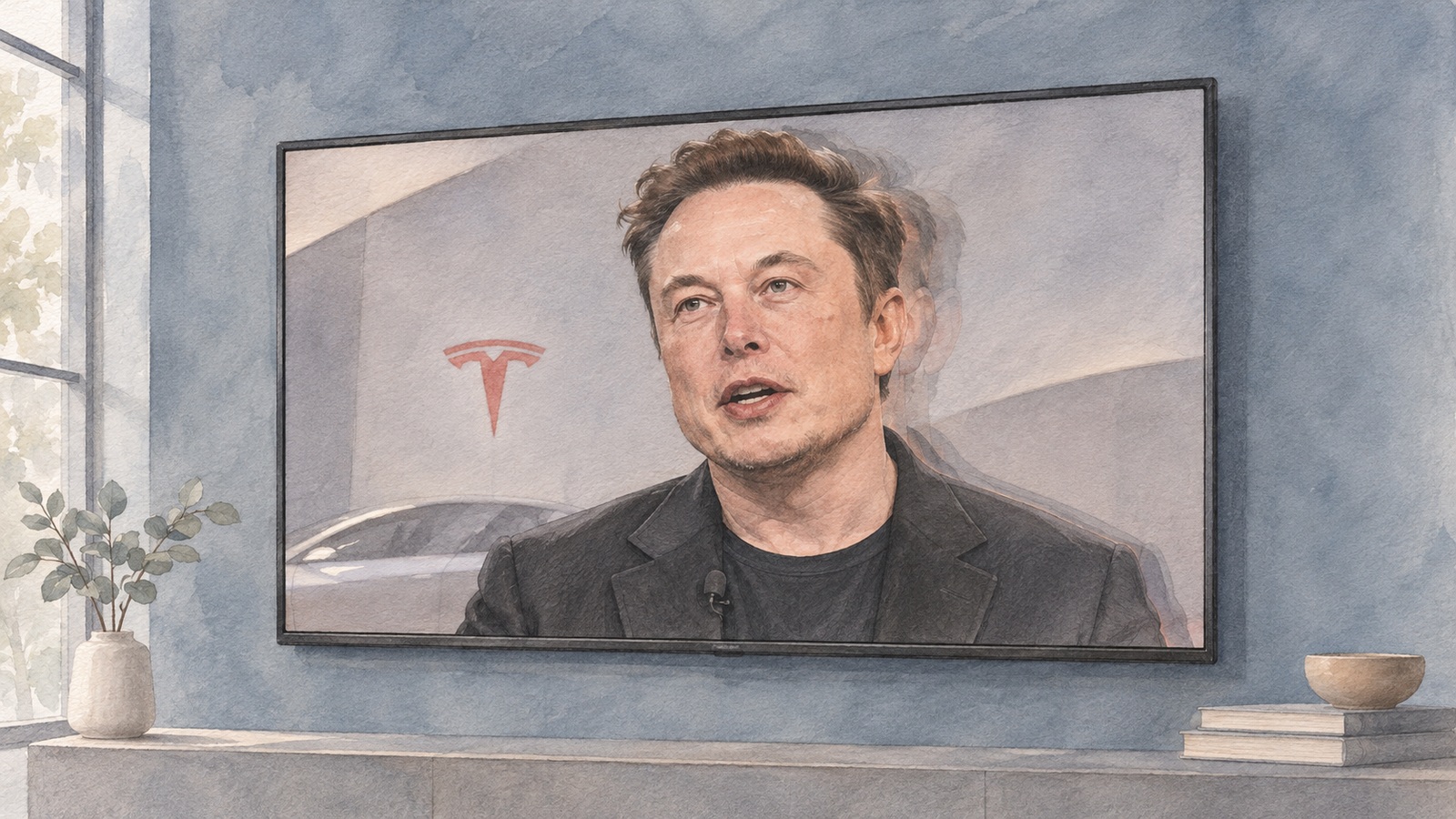
Coinbase blocked about $4.7 million in crypto transfers during a fake Tesla livestream that used a deepfake Elon Musk and promised to double the crypto sent. Its AI agent stopped nearly 91% of attempted payments.
Coinbase blocked about $4.7 million in crypto transfers linked to a fake Tesla livestream that attracted more than 500,000 viewers. Hundreds of customers tried to send funds during the roughly two-hour broadcast.
The YouTube stream copied the appearance of an official Tesla product event and included a supposed “flying car” demonstration. It showed a digitally generated version of Musk, wallet addresses and a QR code. Viewers were promised twice the amount of cryptocurrency they sent to the listed wallets.
Coinbase’s AI agent stopped nearly 91% of the attempted payments before the funds left customers’ accounts. The customers approved the transfers themselves because they believed the giveaway was legitimate. The activity therefore did not match the patterns of an account takeover or stolen credentials. Coinbase reported that no accounts were hacked and no login details were taken.
The exchange’s scam-prevention system assessed the transfers in real time. Its machine-learning models looked for giveaway language, impersonation of a known brand and payments to newly used wallet addresses. When a transaction was flagged, the AI agent started a short conversation with the customer, identified the likely scam pattern and explained that legitimate giveaways do not require people to send funds first.
The system had not previously handled a deepfake giveaway linked to a live product launch, according to Coinbase. It reviewed the flagged payments from the first detected transfer through the last without human intervention. Each customer response received a confidence score that helped the system decide whether to stop the transaction. A TRM Labs report found that AI-enabled crypto scams increased fivefold in 2025 and identified deepfake videos as one tool scammers use to impersonate others.
“Nobody legitimate will double your crypto,” Coinbase wrote in a blog post. “An offer that requires you to send funds first to receive more back is a scam, no matter who appears to be making it.”
The exchange advised customers not to send cryptocurrency to wallet addresses or QR codes shown in videos, livestreams or messages. Coinbase reported that scammers can now create and relaunch convincing broadcasts with a livestream slot and an artificial-intelligence model instead of a large production team and weeks of preparation.
Coinbase is expanding AI use across its risk operations. The work includes automated reviews of suspicious transfers across different scam categories and AI-based labeling that helps train its models on newly identified cases within hours.
Reviewed and fact-checked by Alex Panasenko on November 19.
Articles by this author