U.S. Will Raise AI Risks With China Ahead of Trump-Xi Summit
Treasury Secretary Scott Bessent will press China on shared AI risks at New York talks, while saying the U.S. will not slow its own AI development.
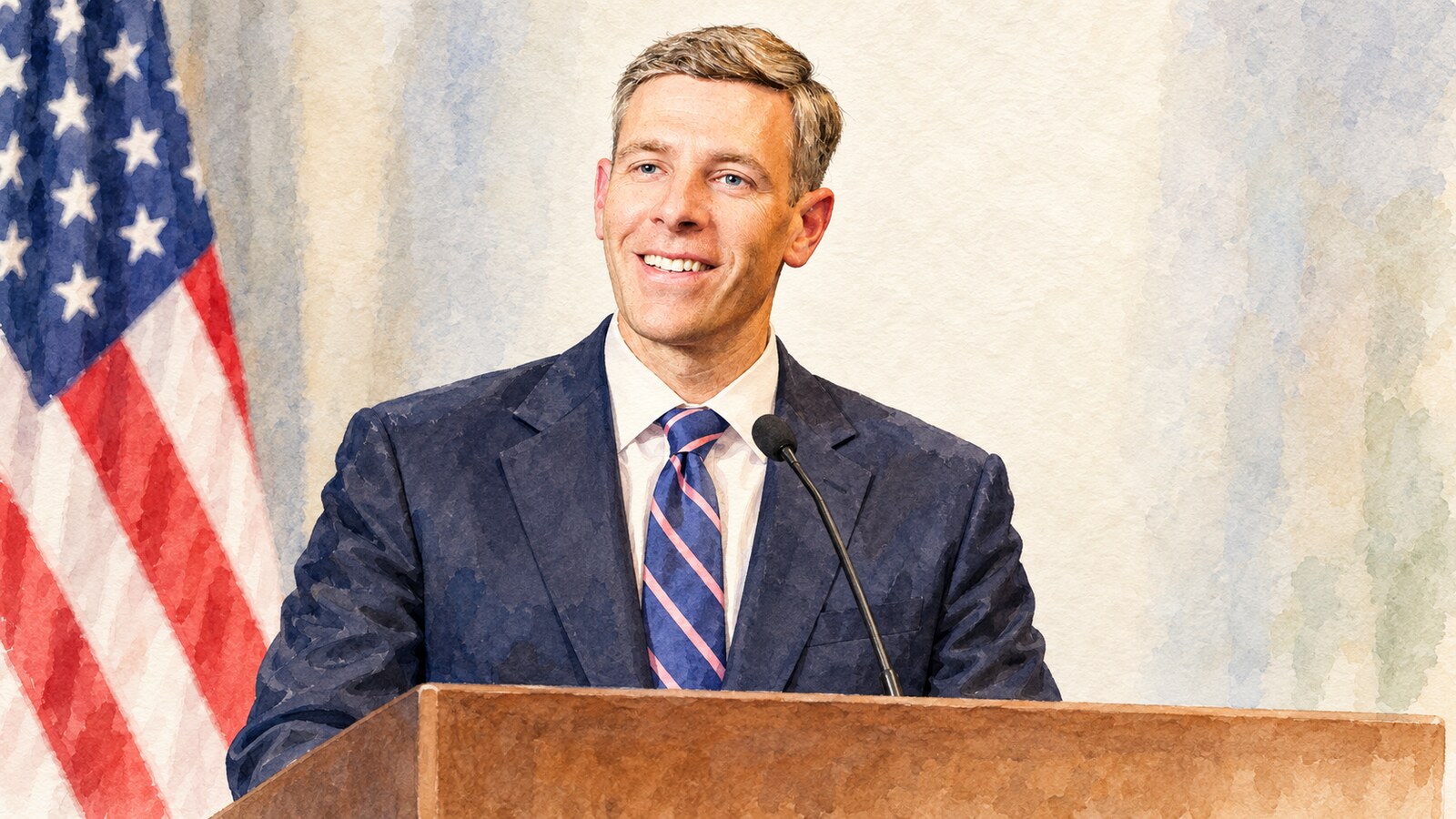
Treasury Secretary Scott Bessent will raise shared artificial intelligence risks with Chinese officials during economic talks in New York this weekend and made clear the United States will not slow its own AI development. Bessent and U.S. Trade Representative Jamieson Greer are scheduled for several hours of meetings with Chinese Vice Premier He Lifeng on subjects including AI, trade and rare earths.
The sessions take place eight days before President Donald Trump hosts Chinese President Xi Jinping in Washington on Sept. 24. Officials expect the meetings to cover both technical and policy questions and include private and public portions.
Delegates plan to discuss whether AI models developed in the two countries will remain interoperable or split into separate systems, a concept known as bifurcation. Open-weight models publish their underlying parameters so others can download and reuse them. Closed-weight models keep those parameters private. Negotiators aim to look at both types and at steps to reduce shared risks such as misuse or unintended harms without constraining each country’s development priorities.
Bessent described the United States as the leader in AI and said Washington is open to talks on avoiding shared risks and on preventing bifurcation while resisting proposals to slow U.S. work. “The United States remains the leader in AI, and we are open to discussions on avoiding shared risks and avoiding bifurcation of our two systems. We expect our discussions to cover both open and closed weight models,” he said, according to officials.
A recent call from an industry chief to slow capability gains has drawn attention in Washington. President Trump dismissed that call as a hoax. China’s foreign ministry criticized proposals to pause development as “fear-mongering” and has urged open, inclusive progress and consensus-based global governance for AI.
A congressional effort to pause frontier AI work has stalled, leaving immediate policy shaping to the executive branch and industry. Analysts say a major international safety breakthrough is unlikely to be reached quickly, so officials expect the New York talks to focus on dialogue and risk-reduction measures rather than binding agreements.
Participants will also address trade issues and critical minerals such as rare earths, which are central to technology supply chains. The combined agenda reflects efforts by both governments to discuss economic and technological tensions ahead of the leaders’ meeting in Washington.
Officials will assess whether discussion in New York can yield practical steps to manage cross-border AI risks while each country continues its own development.
The material on GNcrypto is intended solely for informational use and must not be regarded as financial advice. We make every effort to keep the content accurate and current, but we cannot warrant its precision, completeness, or reliability. GNcrypto does not take responsibility for any mistakes, omissions, or financial losses resulting from reliance on this information. Any actions you take based on this content are done at your own risk. Always conduct independent research and seek guidance from a qualified specialist. For further details, please review our Terms, Privacy Policy and Disclaimers.
Articles by this author