Senator: Crypto Not to Blame for U.S. Economy
Sen. John Kennedy told crypto advocate Cody Carbone at a Senate hearing that digital assets are not responsible for U.S. economic problems; Carbone said they can lower transaction costs.
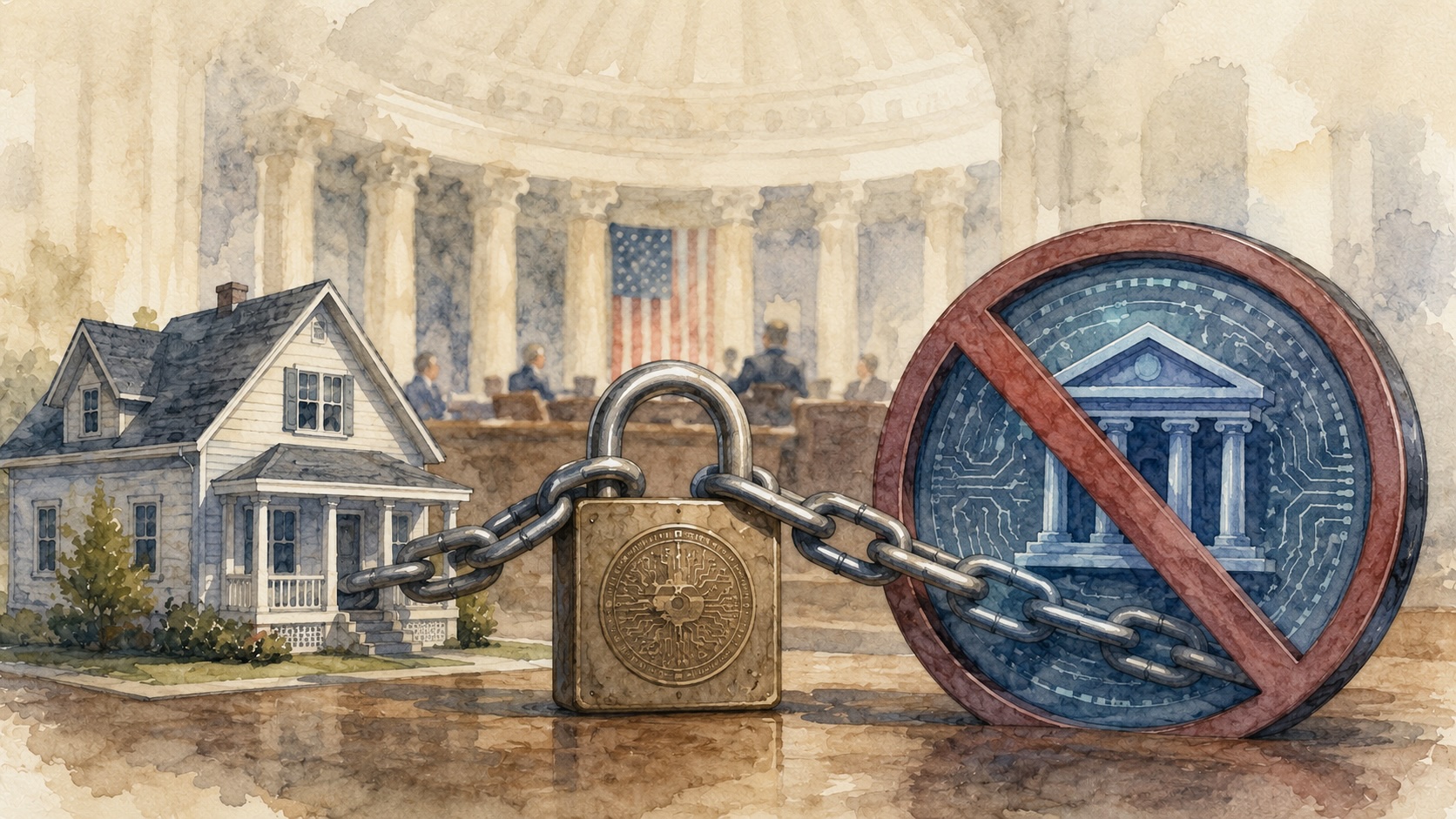
At a Senate Banking Committee hearing titled “The Affordability Agenda” on Tuesday, Sen. John Kennedy told Cody Carbone that cryptocurrency is not the cause of the United States’ economic difficulties. Carbone, chief executive of the advocacy group The Digital Chamber, testified about the potential role of digital assets in addressing affordability.
Carbone told senators that digital assets could enable faster, cheaper payments, increase competition in payment systems, and reduce barriers to owning and transferring assets. He urged lawmakers to advance the Digital Asset Market Clarity (CLARITY) Act, a bill the banking committee approved in May.
Most committee members did not engage Carbone directly. Indiana Sen. Tim Banks asked whether costs for foreign remittances would change when using U.S. dollar‑pegged stablecoins compared with existing channels. Kennedy challenged the premise of linking the crypto industry to broader economic problems, saying, “Mr. Carbone, you seem to be here to promote cryptocurrency,” and adding, “I love cryptocurrency, but I don’t think that’s the problem with our economy.”
Carbone’s appearance comes as the CLARITY Act moves toward a potential Senate floor vote in the coming weeks. Several senators are seeking additional ethics provisions for the market structure bill, raising questions about its path to passage.
Trade groups representing gambling interests have asked the Senate to clarify that the bill would not grant the Commodity Futures Trading Commission authority over sports betting in prediction markets. CFTC Chair Michael Selig has asserted the agency’s “exclusive jurisdiction” over certain prediction market platforms, a point of contention among stakeholders.
Supporters of the CLARITY Act say it would set clearer rules for digital asset markets. Opponents and industry groups are pressing for changes on jurisdiction and oversight. Some senators expect the bill to reach the Senate floor before the chamber’s August recess, but no formal vote was scheduled as of Tuesday.
Carbone’s testimony drew a relatively muted response overall, with only a few lawmakers pursuing technical and policy questions during the session.
The material on GNcrypto is intended solely for informational use and must not be regarded as financial advice. We make every effort to keep the content accurate and current, but we cannot warrant its precision, completeness, or reliability. GNcrypto does not take responsibility for any mistakes, omissions, or financial losses resulting from reliance on this information. Any actions you take based on this content are done at your own risk. Always conduct independent research and seek guidance from a qualified specialist. For further details, please review our Terms, Privacy Policy and Disclaimers.
Articles by this author