Senate Passes Housing Bill Blocking Fed From CBDC Until 2030
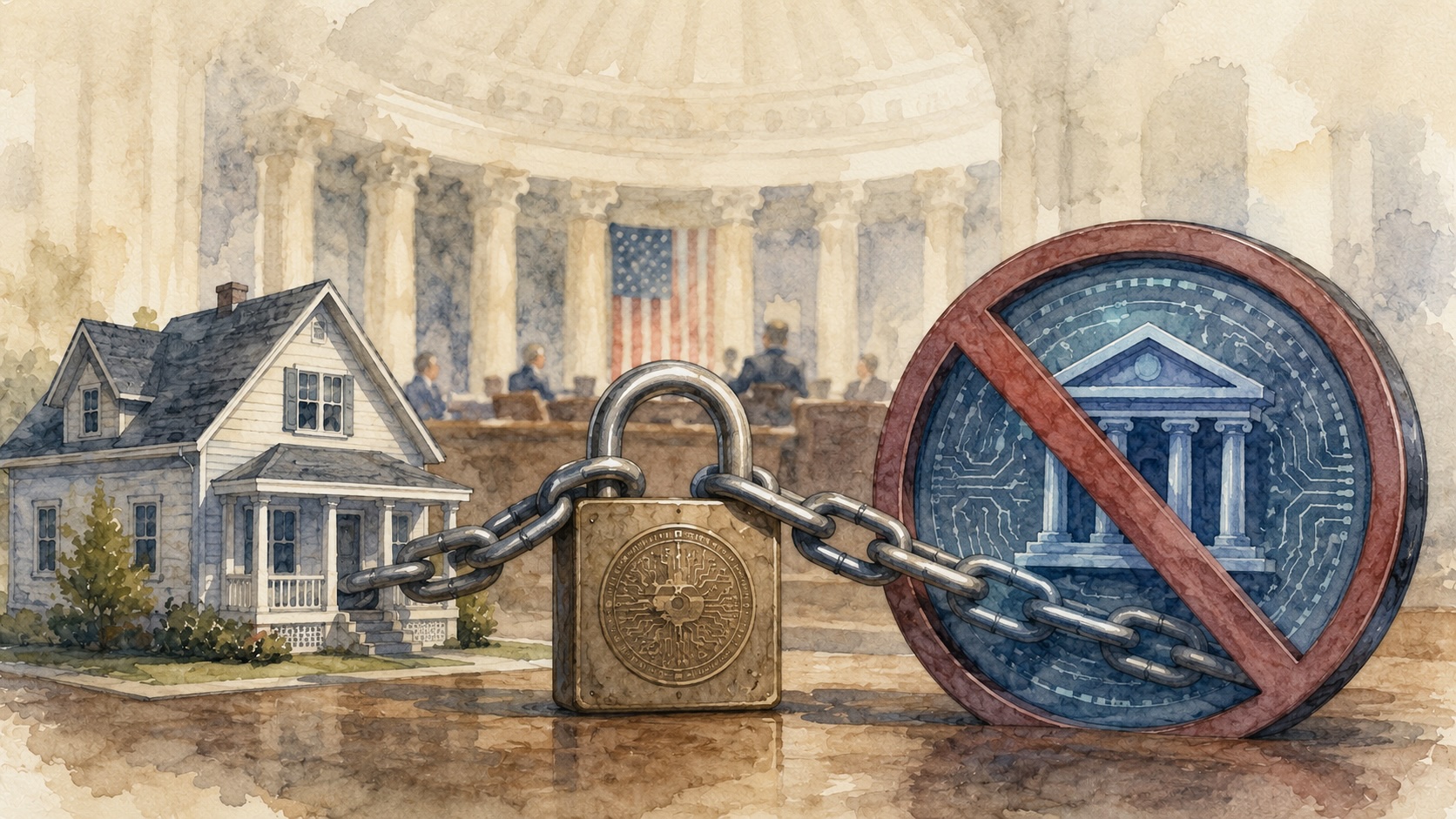
The Senate approved the 21st Century Road to Housing Act 85-5, barring the Federal Reserve from creating or working on a central bank digital currency until 2030.
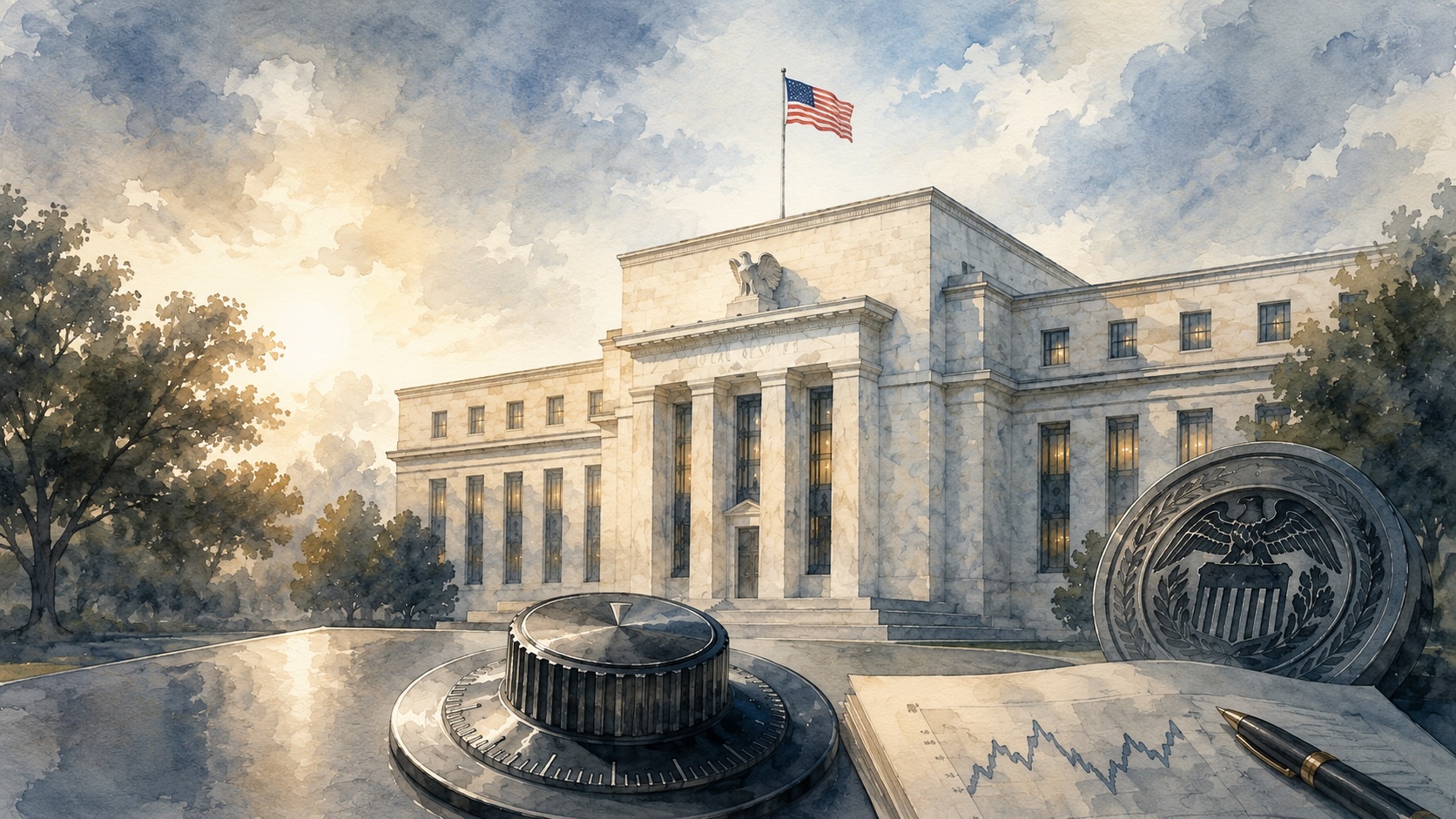
On Monday the Senate passed the 21st Century Road to Housing Act by an 85-5 vote. The bill includes a provision that prevents the Federal Reserve from creating or working on a central bank digital currency until 2030. The legislation now goes to the House.
The ban states the Fed may not, directly or indirectly, “issue or create a central bank digital currency or any digital asset that is substantially similar to a central bank digital currency” through 2030. The text exempts stablecoins by excluding any “dollar-denominated currency that is open, permissionless, and private.” Even after 2030, the Fed would need explicit congressional authorization to act on a CBDC.
Senators attached the CBDC language to the housing package to secure support from House Republicans and speed passage of the broader bill. Republican lawmakers have pushed for limits on central bank digital currencies in recent years, citing concerns about privacy and government control over digital money. Supporters framed the provision as protection against a government-controlled digital dollar; opponents warned it could slow domestic research and planning on digital currency technology.
House leaders who negotiated the deal plan to bring the bill up for a vote quickly; supporters expect the House to approve it before it goes to the president for signature.
The housing act focuses on increasing housing supply through a range of measures; the CBDC restriction was included as part of the bipartisan agreement that advanced the package.
International work on digital currencies continues. Three countries have officially launched a central bank digital currency. Dozens of others are testing or developing projects, and some governments are expanding cross-border use of state-backed digital money.
The stablecoin carve-out leaves room for privately issued digital dollars and similar tokens to operate under existing rules. State officials and participants in the crypto industry have taken varied positions; several state legislatures recently passed measures addressing mining and other digital currency issues.
The material on GNcrypto is intended solely for informational use and must not be regarded as financial advice. We make every effort to keep the content accurate and current, but we cannot warrant its precision, completeness, or reliability. GNcrypto does not take responsibility for any mistakes, omissions, or financial losses resulting from reliance on this information. Any actions you take based on this content are done at your own risk. Always conduct independent research and seek guidance from a qualified specialist. For further details, please review our Terms, Privacy Policy and Disclaimers.
Articles by this author