Saylor challenges BIP 110, warns of Bitcoin split
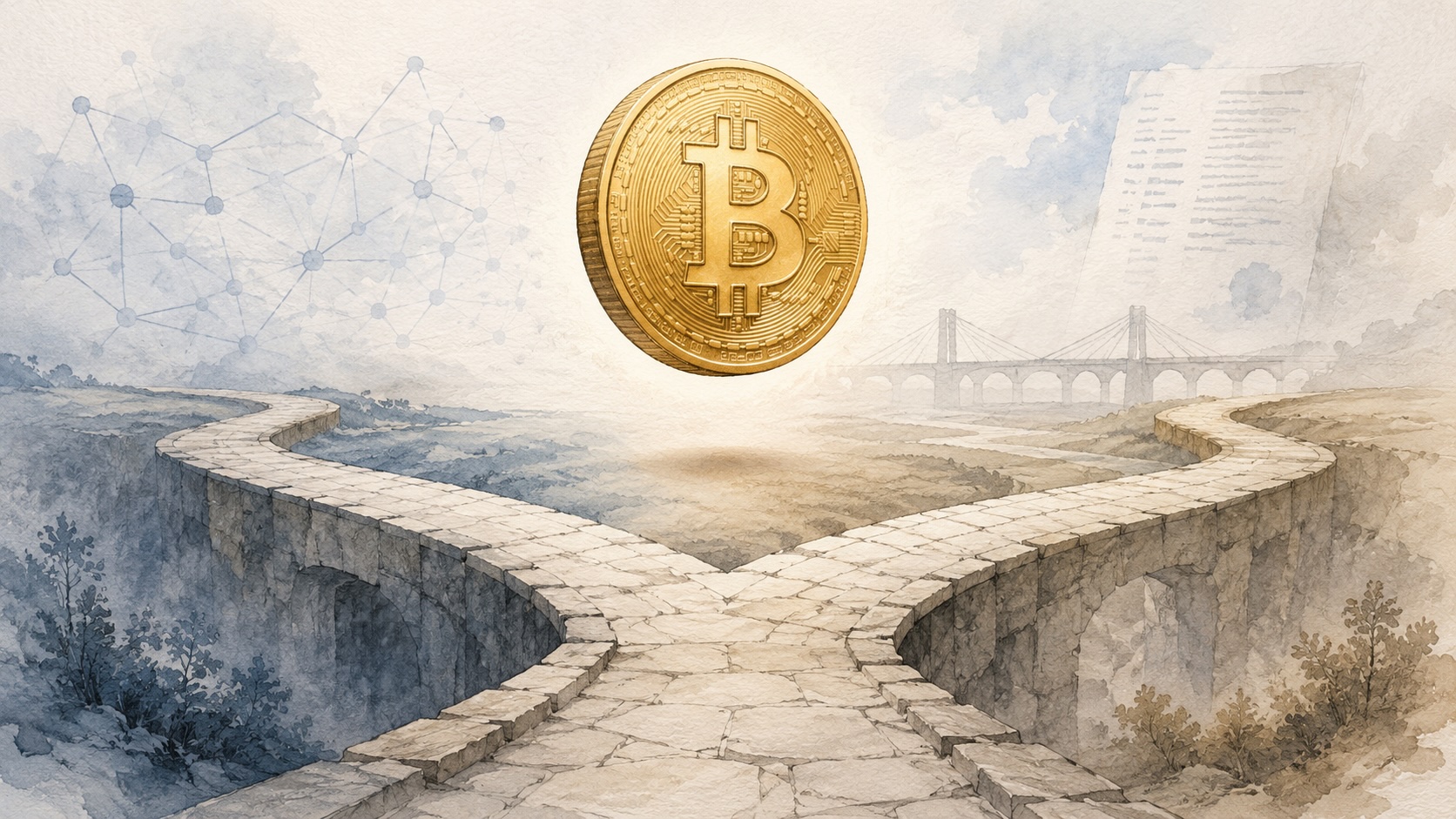
Michael Saylor published a 100-point essay July 18, 2026 rejecting BIP 110, arguing the softfork would threaten Bitcoin neutrality and risk splitting network consensus.
Michael Saylor published a 100-point essay on July 18, 2026 rejecting BIP 110, a proposed temporary softfork that would restrict certain non-payment data in Bitcoin transactions. He argued the activation rules and content could let a subset of participants reshape transaction validity and risk a network split.
BIP 110, titled Reduced Data Temporary Softfork, reached Complete status on June 25, 2026. The authors recommend adoption and describe a deployment that would last about one year and add seven consensus restrictions aimed at limiting data embedded in transactions. The proposal includes an 83-byte limit on OP_RETURN outputs, a 256-byte cap on many pushed payloads and witness items, a ban on spending undefined witness and Tapleaf versions, a prohibition on the Taproot annex, a 257-byte cap on Taproot control blocks, and the rejection of certain Tapscript opcodes and branches. Existing unspent outputs created before activation would be grandfathered, though some pre-signed transaction workflows could still be affected and may require users to move funds before activation.
BIP 110 sets a 55% miner-signaling threshold for lock-in, removes the usual timeout and FAILED state used in the BIP 9 process, and adds a mandatory-signaling period ahead of a guaranteed lock-in. Saylor wrote that using a lower miner threshold increases the risk of a chain split because miners are only one group among holders, exchanges, wallet providers and custodians whose acceptance is needed for the network to follow one set of rules. He also warned that mandatory signaling changes what nonparticipation means for node operators during deployment windows.
Saylor raised questions about the fee market and long-term security if BIP 110 suppresses a category of transactions. As block subsidy continues to halve, transaction fees make up a larger share of miner revenue; he noted the proposal does not model how restricting one type of demand might change total fee dynamics or miner incentives. He pointed to existing relay and mining policy tools that node operators and miners can configure to limit unwanted transaction types without altering consensus rules. He also noted the proposal cannot fully prevent data embedding, since users could split or disguise data within permitted transaction structures.
Saylor labeled the proposal a “Bitcoin Iatrogenic Proposal,” writing that making transaction validity depend on judgments about acceptable use could open the door to future restrictions on privacy tools, stablecoin settlement or other applications. He framed his essay as a critique of the proposal rather than of its authors and reiterated support for affordable node operation and low-cost payments.
On X, Saylor’s post had more than 1,500 likes, over 320 reposts and roughly 339 replies as of 3 p.m. EDT on July 18. A sample of about 50 to 60 recent replies showed an estimated 60 to 70% pushed back on his essay, with critics questioning whether he runs a node and some suggesting he used AI to draft the piece. Supporters of BIP 110 said the plan responds to rising node costs and non-payment data use cases; a smaller share of replies backed Saylor’s neutrality concerns. Debate among developers, miners and node operators over BIP 110’s technical details and activation path continues.
The material on GNcrypto is intended solely for informational use and must not be regarded as financial advice. We make every effort to keep the content accurate and current, but we cannot warrant its precision, completeness, or reliability. GNcrypto does not take responsibility for any mistakes, omissions, or financial losses resulting from reliance on this information. Any actions you take based on this content are done at your own risk. Always conduct independent research and seek guidance from a qualified specialist. For further details, please review our Terms, Privacy Policy and Disclaimers.
Articles by this author