MARA CEO: AI earns more revenue per watt than bitcoin mining
MARA CEO Fred Thiel said electricity used for AI generates more revenue per watt than for bitcoin mining, prompting MARA to prioritize power assets while still mining where energy is very cheap.
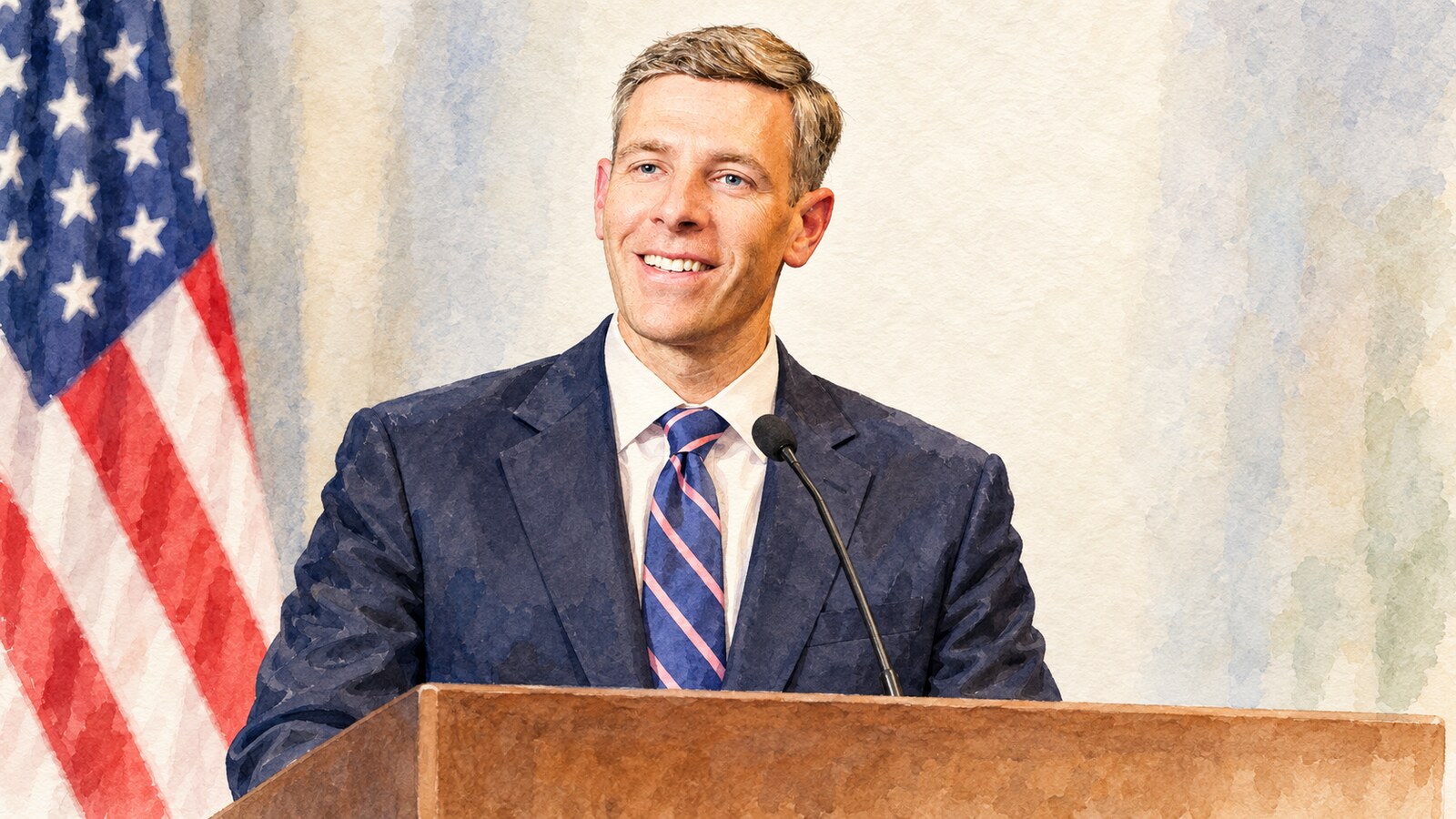
Fred Thiel, CEO of Marathon Digital Holdings (MARA), said in a July 23 interview that electricity used for artificial intelligence produces more revenue per watt than when the same power is used for bitcoin mining. He said tighter mining margins and rising AI data center profits are changing how miners view their businesses.
Thiel argued that miners who control power directly or work closely with utilities will be better positioned as bitcoin block rewards decline and electricity remains the industry’s largest operating cost. “You get a lot more money per electron if you’re doing it for AI than for bitcoin mining,” he said.
MARA began buying sites where it had hosted mining equipment in late 2023 and early 2024, often at prices below replacement cost. By the end of 2024 the company owned about 70% of the infrastructure supporting its operations. The company has shifted focus to energy assets and power capacity.
MARA partnered with Starwood on a platform targeting roughly 1 gigawatt of near-term computing capacity, with a path to exceed 2.5 GW. In July MARA agreed to acquire a Texas site with access to about 2 GW of power for digital infrastructure.
Thiel added that MARA will continue to run bitcoin miners where energy is free, stranded or unusually cheap because mining can use power that might otherwise go unused. “Bitcoin is a great way to optimize electrons, even in a data center-centric world,” he said.
Other firms in the sector are securing long-term contracts to capture AI demand. TeraWulf signed a 20-year lease with Anthropic for a 401 MW campus. CleanSpark reached a 20-year, $6.6 billion lease for a Georgia site. Hut 8 fully contracted its 1 GW Beacon Point campus through multi-decade leases with base-term values totaling about $19.6 billion. IREN raised its 2026 annualized AI cloud revenue target above $4 billion after signing new contracts worth $2.8 billion.
AI facilities typically require higher upfront capital, more complex cooling systems and stricter delivery schedules than bitcoin mines. They can face local opposition over electricity use, water consumption and noise. Thiel noted that public information about those projects can be limited.
Bitcoin’s scheduled halvings reduce the reward per block while grid costs and commodity electricity prices remain unchanged. Thiel summarized the situation as a question of where limited power can earn the most revenue.
The material on GNcrypto is intended solely for informational use and must not be regarded as financial advice. We make every effort to keep the content accurate and current, but we cannot warrant its precision, completeness, or reliability. GNcrypto does not take responsibility for any mistakes, omissions, or financial losses resulting from reliance on this information. Any actions you take based on this content are done at your own risk. Always conduct independent research and seek guidance from a qualified specialist. For further details, please review our Terms, Privacy Policy and Disclaimers.
Articles by this author