FinCEN, Fed Withdraw Proposal To Cut Travel Rule Threshold
FinCEN and the Federal Reserve withdrew a proposal to lower the Bank Secrecy Act’s Travel Rule threshold from $3,000 to $250. The existing threshold remains in force.
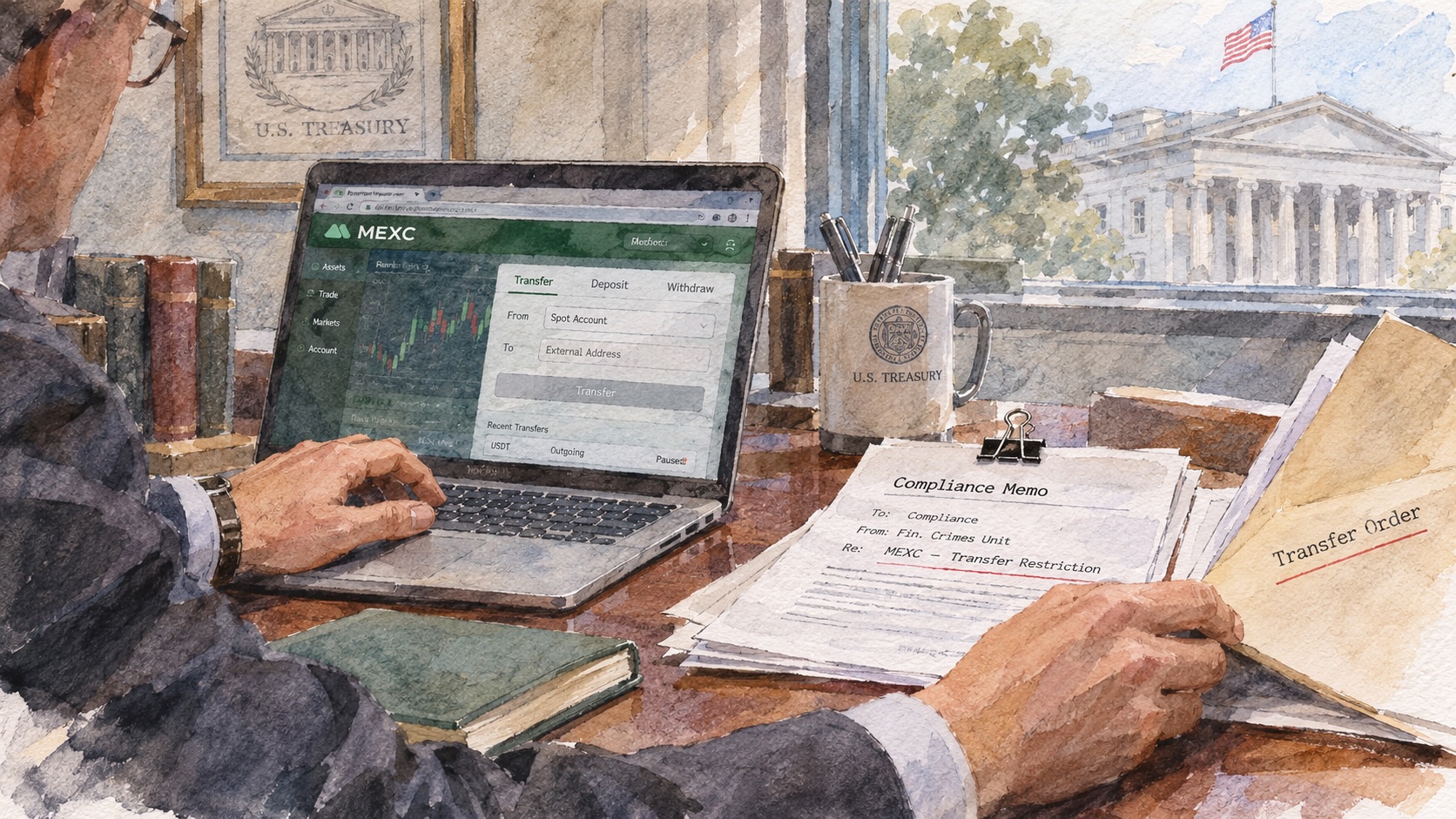
The Financial Crimes Enforcement Network and the Federal Reserve withdrew a proposal to reduce the Bank Secrecy Act’s threshold for certain funds transfers from $3,000 to $250. The existing $3,000 thresholds remain in force.
The withdrawal was filed Nov. 6, 2026, and is scheduled for publication in the Federal Register on Nov. 9 as document 2026-22809. It ends a rulemaking process that began with a joint proposal published on Oct. 27, 2020.
The proposal would have lowered the threshold under the Recordkeeping Rule, which requires financial institutions to collect and retain information about certain transfers that begin or end outside the United States. It also would have lowered the matching threshold under the Travel Rule, which requires institutions to pass that information to the next institution in the payment chain.
The change would have covered more transfers, including many remittances and small-business payments. The proposal also would have clarified that the rules applied to transactions involving convertible virtual currency and digital assets with legal-tender status for a recipient.
The agencies received nearly 3,000 comments from banks, money services businesses, trade groups and individuals. The withdrawal notice states that a significant majority were substantially similar form letters.
Commenters cited higher compliance costs, increased data-handling duties, possible disruption to remittances and greater liability for institutions holding personal information. Some noted that transactions below $3,000 could already generate suspicious activity reports. Others argued that the agencies had not provided enough data to justify lowering a threshold that dates to 1995. Several commenters called for raising the threshold to account for inflation.
Crypto companies and trade groups that opposed the proposal cited technical limits and the lack of an international messaging standard for digital-asset transfers. Some banks, money services businesses and trade associations supported applying the rules to convertible virtual currency. The comment record also included Fourth Amendment objections and concerns about the length of the comment period.
The agencies cited the age of the proposal and changes in digital-asset markets. The notice refers to the Guiding and Establishing National Innovation for U.S. Stablecoins Act, enacted July 18, 2025, and a digital-assets report issued that month under Executive Order 14178. The agencies wrote that additional public feedback would be useful before adopting similar amendments.
The withdrawal does not change suspicious activity reporting duties or FinCEN’s 2019 guidance on convertible virtual currency business models. It also does not state that digital-asset transfers are outside the Travel Rule. The agencies did not announce a replacement proposal or a timetable for new action.
A separate proposed rule on anti-money-laundering and sanctions compliance programs for permitted payment stablecoin issuers remains at the comment stage. The agencies will take no further action on the 2020 proposal.
Reviewed and fact-checked by Alex Panasenko on November 7.
The material on GNcrypto is intended solely for informational use and must not be regarded as financial advice. We make every effort to keep the content accurate and current, but we cannot warrant its precision, completeness, or reliability. GNcrypto does not take responsibility for any mistakes, omissions, or financial losses resulting from reliance on this information. Any actions you take based on this content are done at your own risk. Always conduct independent research and seek guidance from a qualified specialist. For further details, please review our Terms, Privacy Policy and Disclaimers.
Articles by this author