Circle stock rebounds 7% as Open USD pressures reserve yield
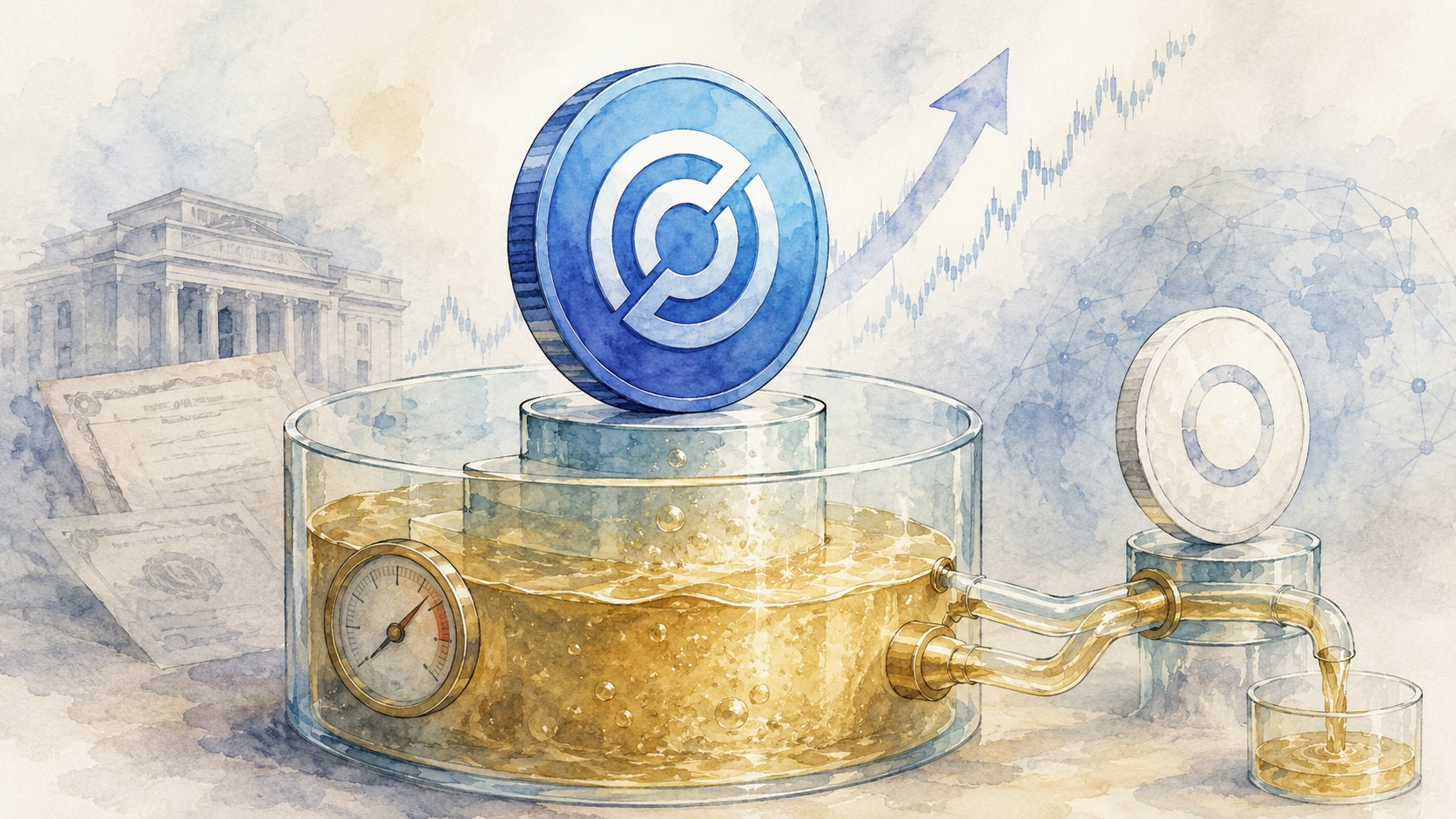
Circle shares rose 7% to $69.52 after opening near $64. The launch of consortium-backed Open USD puts pressure on Circle’s revenue that depends on interest on reserves.
Circle’s stock rose 7% Monday to about $69.52 after opening just above $64, recovering some losses from a 17% one‑day drop the prior week. Trading data showed CRCL reached roughly $69.52 around 3:30 p.m. EST. The price remained more than 5% below its June 29 opening of $75 and well below its year‑to‑date peak above $132 in March.
Last Tuesday a consortium announced the development of Open USD, or OUSD, and more than 140 companies joined the effort. The group includes Visa, Mastercard, Stripe, Google and BlackRock, and the initiative is led by Zach Abrams. Open USD’s planned structure would eliminate minting and redemption fees and return most reserve income to partners that drive transaction volume.
Circle issues the USDC stablecoin and holds cash and Treasury assets as reserves. Analysts estimate about 96% of Circle’s revenue comes from interest earned on those reserves. Open USD’s plan to route reserve yield to distribution partners contrasts with Circle’s model of retaining the bulk of that interest.
Coinbase, Circle’s main distribution partner, received about $908 million in 2024 under a revenue‑sharing deal with Circle. That agreement is scheduled for renegotiation in August 2026. Coinbase’s early participation in the OUSD consortium could affect the commercial terms of future deals.
Regulatory developments are pending. The GENIUS Act would bar stablecoin issuers from paying yield to holders, and a February proposal from the Office of the Comptroller of the Currency would extend restrictions to yield routed through third parties. Regulators are expected to issue final rules on July 18 that could affect whether OUSD’s plan to send reserve income to partners is legally viable by 2027. Some market participants say those regulatory risks are not fully reflected in current stock prices.
Ozan Ozerk, founder of Openpayd, argued that infrastructure firms that hold and move multiple coins could benefit regardless of which stablecoin gains market share. He said neutral settlement layers that handle many coins gain value when issuers fragment. Minchi Park, chief operating officer and co‑founder of Coinfello, described the consortium approach as focused on creating a new settlement rail and said deterministic settlement, deep liquidity and programmable issuance matter for platforms that run automated, on‑chain agents.
Upcoming developments investors are watching include the July 18 regulatory rules, the pace at which partners adopt OUSD, and commercial negotiations such as Circle’s talks with Coinbase.
The material on GNcrypto is intended solely for informational use and must not be regarded as financial advice. We make every effort to keep the content accurate and current, but we cannot warrant its precision, completeness, or reliability. GNcrypto does not take responsibility for any mistakes, omissions, or financial losses resulting from reliance on this information. Any actions you take based on this content are done at your own risk. Always conduct independent research and seek guidance from a qualified specialist. For further details, please review our Terms, Privacy Policy and Disclaimers.
Articles by this author