US Strategic Bitcoin Reserve stalls as agencies clash
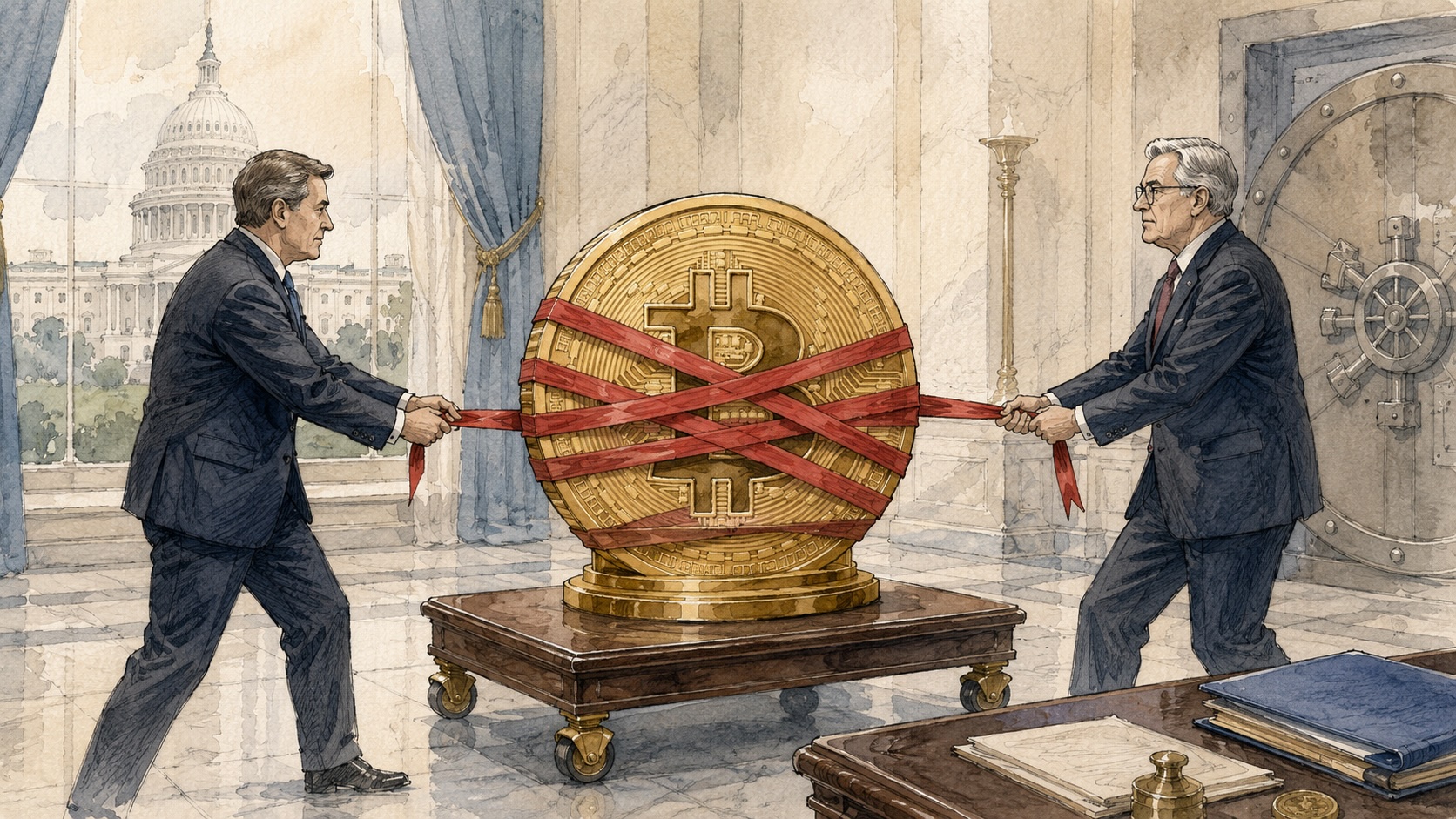
A planned U.S. Strategic Bitcoin Reserve is stalled after Commerce and Treasury officials disagreed over which agency should oversee the holdings and whether Treasury has legal authority.
Implementation of the U.S. Strategic Bitcoin Reserve has been paused after the Commerce and Treasury departments clashed over which agency should have primary oversight and whether Treasury has clear legal authority to manage Bitcoin.
President Trump’s March 2025 executive order directed that the reserve be housed in the Treasury Department, with other agencies assisting to build the stockpile through asset seizures. Treasury lawyers have raised questions about the department’s legal authority to hold and manage a volatile asset like Bitcoin. The Commerce Department has positioned itself as an alternative lead. The Justice Department is working with both agencies to identify legally available structures and options.
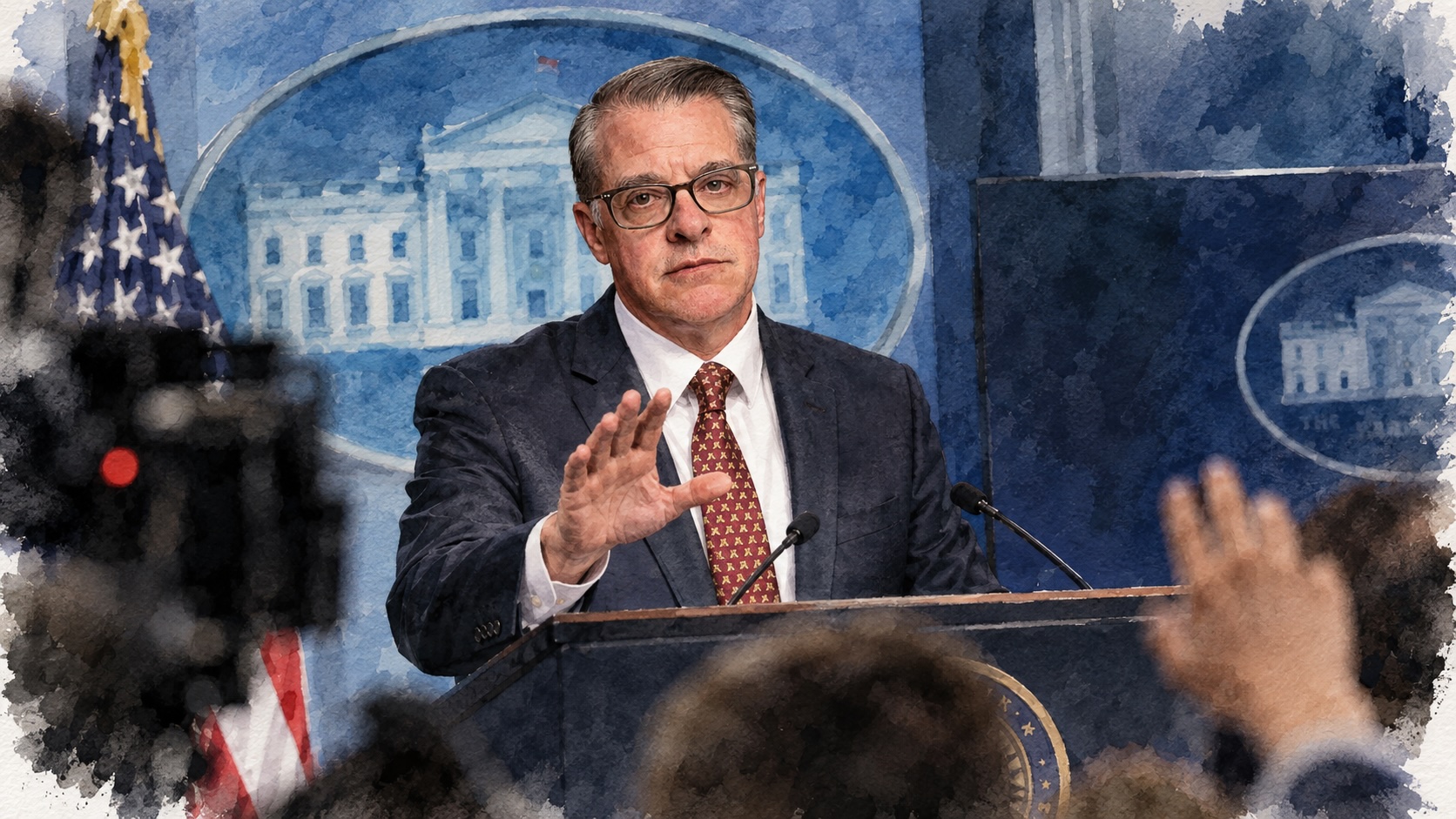
A White House spokesperson said the administration is evaluating the best structure for a Strategic Bitcoin Reserve and a U.S. digital asset stockpile. The oversight dispute has slowed implementation even as the administration and congressional backers press ahead with codifying legislation and plans to acquire coins.
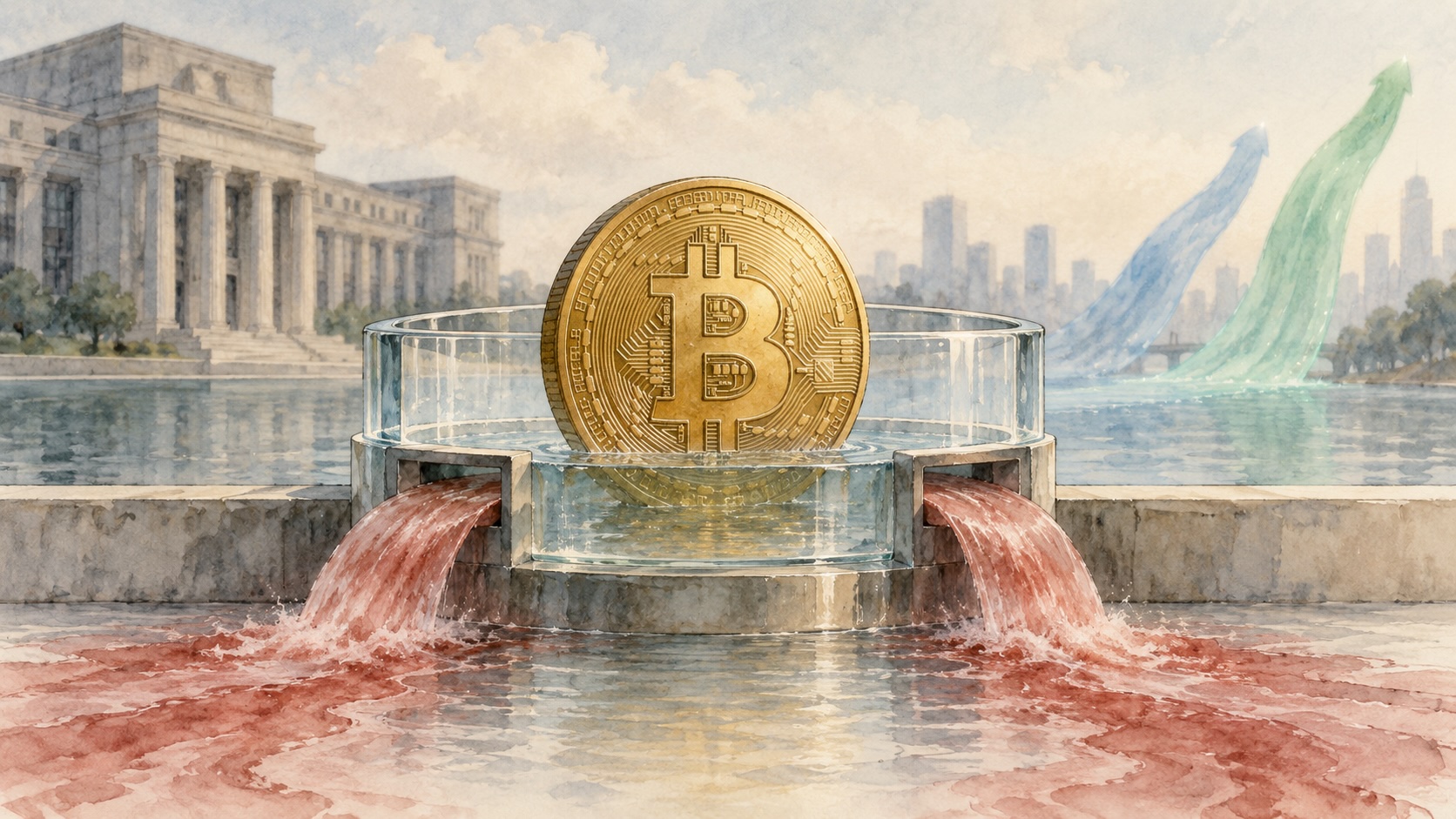
The federal government controls about 328,372 BTC, currently valued at roughly $21.1 billion, though portions have been sold through court-ordered actions. In May, lawmakers introduced the BITCOIN Act and the ARMA Act, which seek to acquire up to 1 million Bitcoin over five years using measures intended to be budget neutral. Under the ARMA proposal, acquired Bitcoin would be held for at least 20 years unless sold to reduce the federal debt.
Patrick Witt, a senior White House crypto adviser, called ARMA ‘Version 2’ of the earlier bill and described the administration’s work on legal issues as extensive. ‘It’s a breakthrough as far as getting everything in place — legally sound — properly safeguarding the assets,’ he said.
Industry supporters say a U.S. reserve would strengthen Bitcoin’s case as an asset for long-term public and private allocations and argue that formal treatment by a major economy could change approaches to capital allocation. El Salvador remains the only country that has formally established a Bitcoin reserve and continues routine purchases.
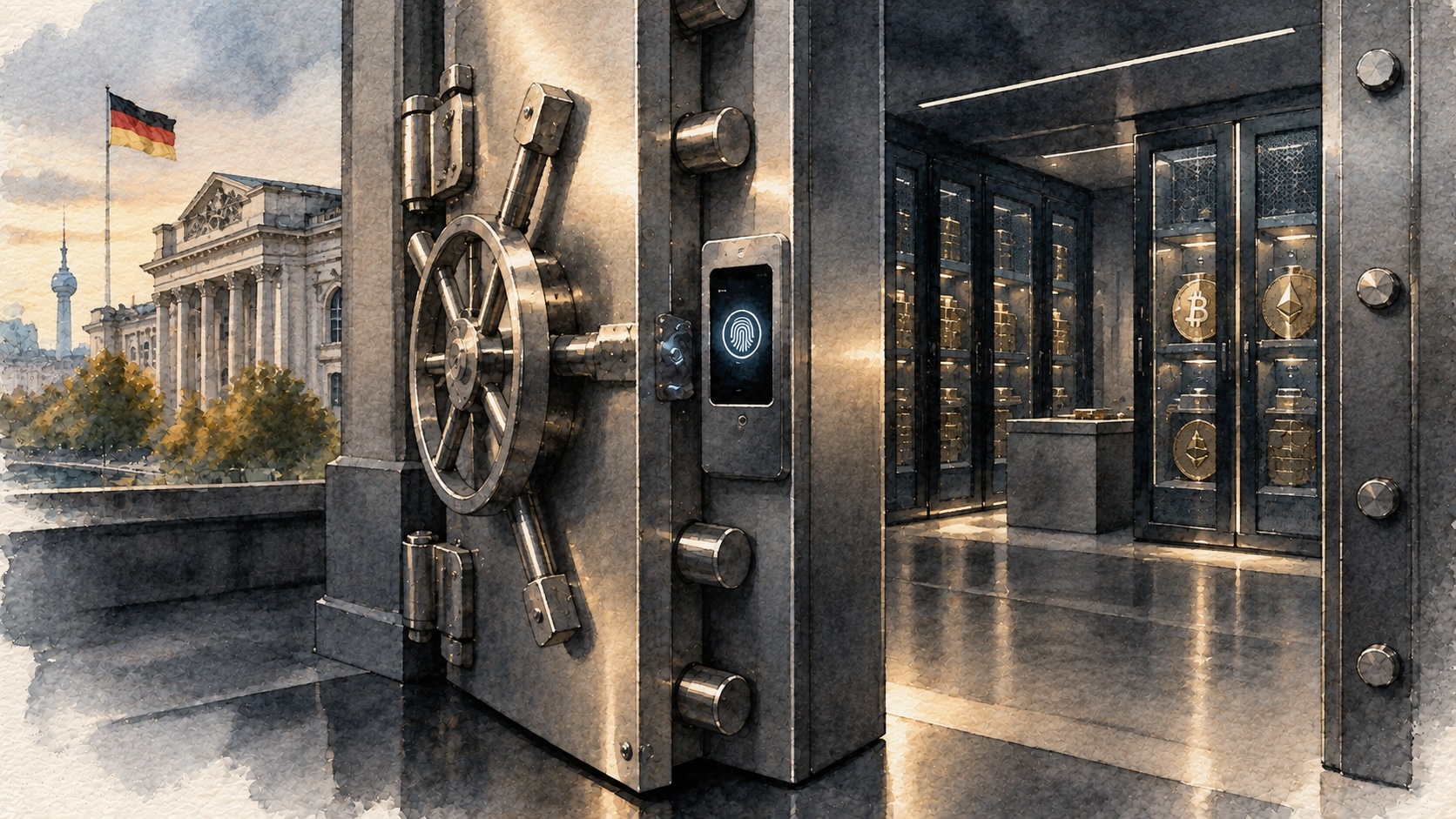
Key unresolved questions include which department will have day-to-day custody and policy authority, how seized assets would be transferred into the reserve, and what legal framework would govern investment, storage and sales. Officials are also weighing potential impacts on markets and on federal balance sheets. For now, the dispute between Commerce and Treasury has placed the Strategic Bitcoin Reserve on hold while federal lawyers and policymakers work to agree on a legally defensible structure.
The material on GNcrypto is intended solely for informational use and must not be regarded as financial advice. We make every effort to keep the content accurate and current, but we cannot warrant its precision, completeness, or reliability. GNcrypto does not take responsibility for any mistakes, omissions, or financial losses resulting from reliance on this information. Any actions you take based on this content are done at your own risk. Always conduct independent research and seek guidance from a qualified specialist. For further details, please review our Terms, Privacy Policy and Disclaimers.
Articles by this author