Bill would bar lawmakers from betting on Kalshi, Polymarket
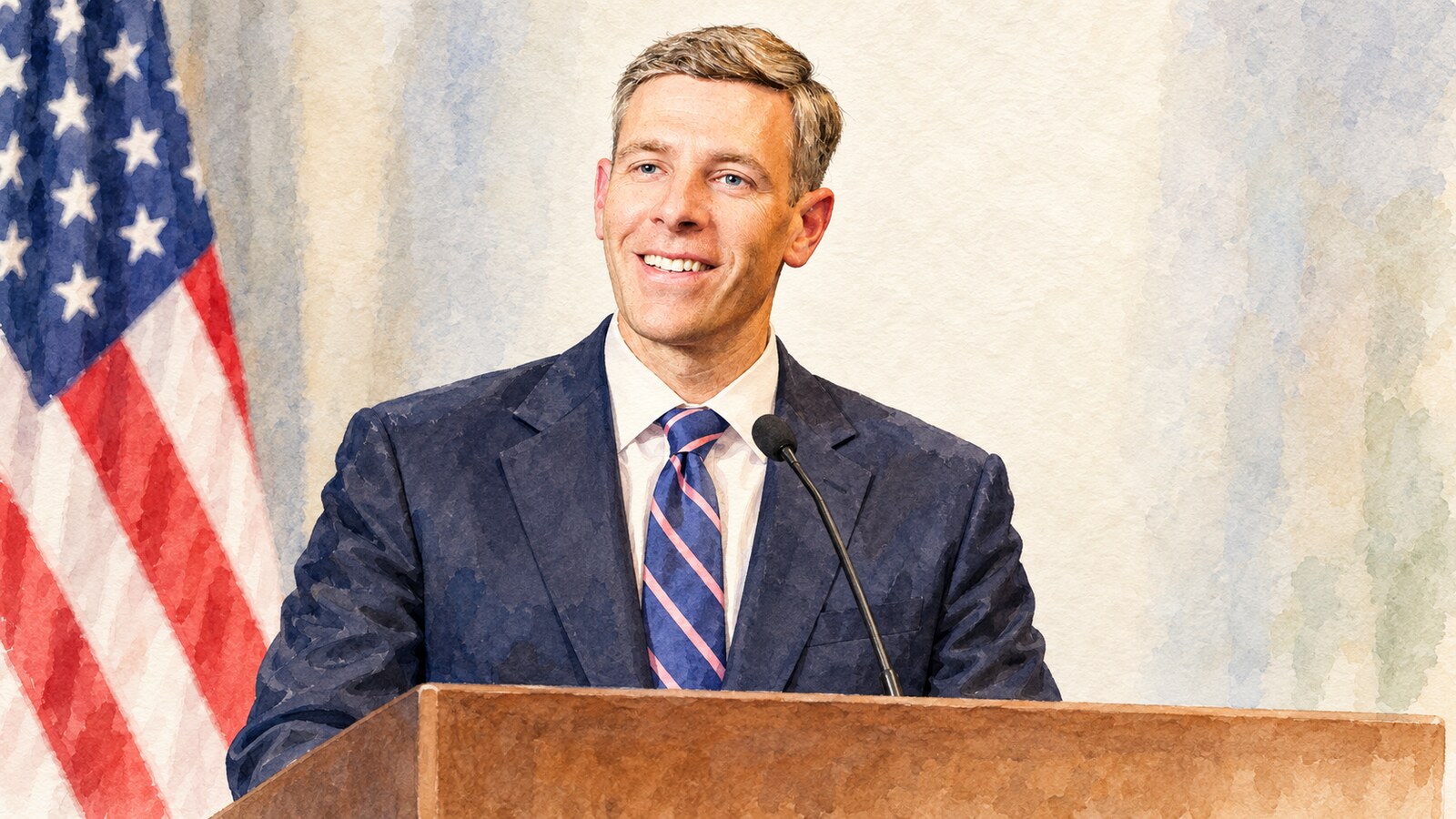
Rep. Bryan Steil introduced the Stop Lawmakers From Predicting Act to bar House members, spouses and dependent children from betting on political and policy outcomes.
Rep. Bryan Steil introduced the Stop Lawmakers From Predicting Act to prohibit House members, their spouses and dependent children from wagering on political and policy outcomes on prediction markets such as Kalshi and Polymarket. The measure would allow bets on unrelated events, including sports, while banning wagers tied to government action or legislation.
Under the bill, anyone who places a prohibited wager would face a civil penalty of at least $2,000 or 10% of the trade’s value, whichever is greater, and would be required to forfeit any net profits from the wager. The text also prevents the use of official office funds or campaign money to pay those penalties. The ban covers events lawmakers learn about through their official duties; the bill does not specify how the restriction would apply to adult children or how household enforcement would be handled.
Steil, chairman of the Committee on House Administration, called trading on policy outcomes ‘inappropriate for members of Congress to trade on the outcomes of elections or public policy.’ He framed the proposal as an ethics safeguard aimed at preventing use of nonpublic information in prediction markets.
The proposal has drawn attention from House leaders. Speaker Mike Johnson and former President Donald Trump have expressed support for restricting congressional participation in prediction markets. The measure mirrors a Senate rule adopted earlier in 2026 that bars senators and certain staff from betting on similar platforms.
The bill comes as federal and state officials scrutinize prediction markets. The House Oversight Committee opened an inquiry into Kalshi and Polymarket focused on insider-trading safeguards and market controls; Rep. James Comer described the sector as a ‘wild west’ where ‘there are no rules.’ Separately, Kalshi is suing Minnesota to block a state law that would make certain prediction contracts a felony, arguing those contracts fall under Commodity Futures Trading Commission oversight.
Polymarket and Kalshi together cleared roughly $25.7 billion in April, reflecting rapid growth in trading volume on event-based markets.
Steil’s bill must clear committee review before a potential House floor vote. Lawmakers are expected to debate how to monitor trades by family members and how to distinguish policy-related contracts from other event markets during the bill’s review.
The material on GNcrypto is intended solely for informational use and must not be regarded as financial advice. We make every effort to keep the content accurate and current, but we cannot warrant its precision, completeness, or reliability. GNcrypto does not take responsibility for any mistakes, omissions, or financial losses resulting from reliance on this information. Any actions you take based on this content are done at your own risk. Always conduct independent research and seek guidance from a qualified specialist. For further details, please review our Terms, Privacy Policy and Disclaimers.
Articles by this author