Bank regulator speeds up stablecoin rules under GENIUS Act
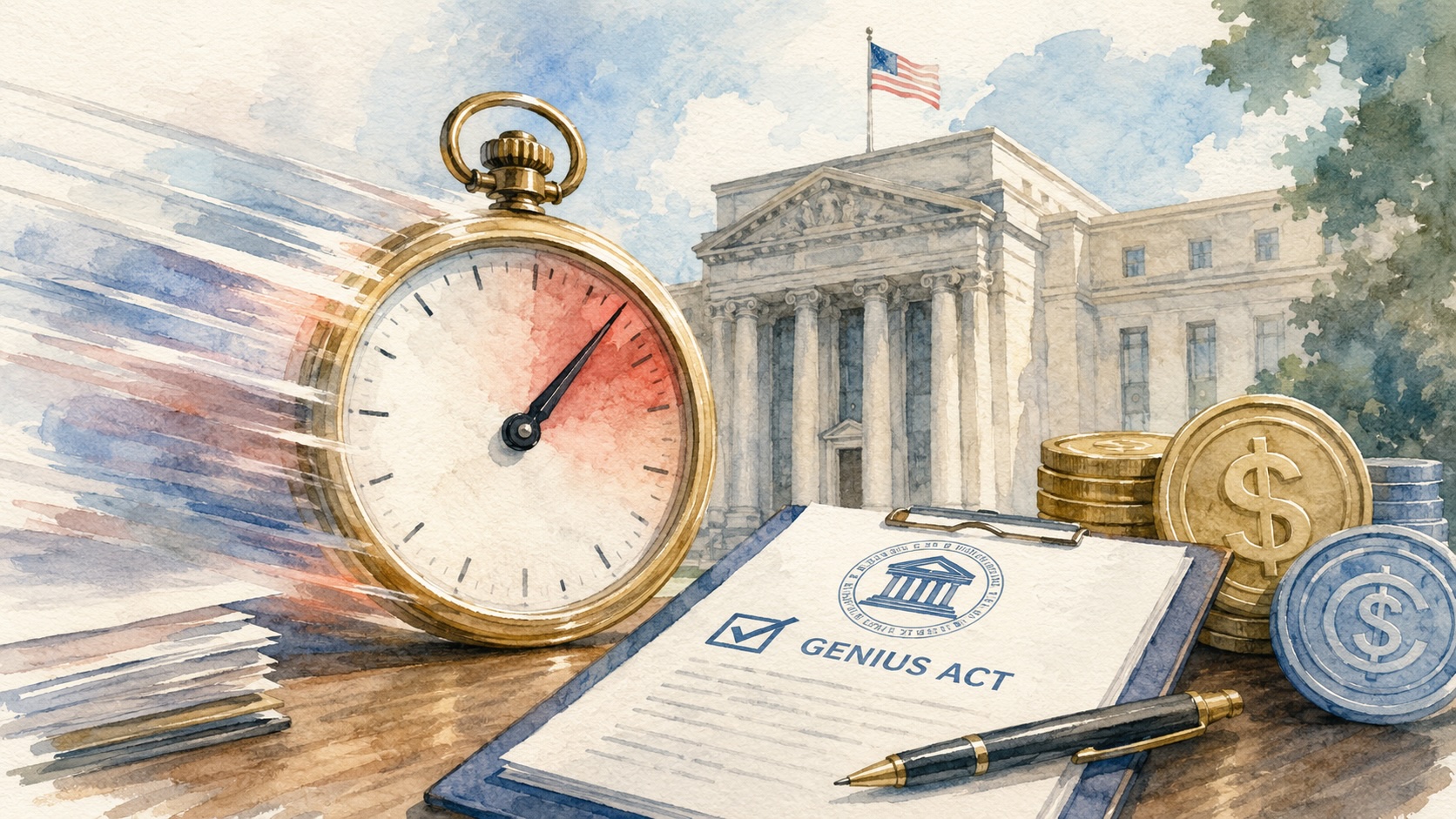
The federal banking regulator is accelerating rulemaking to set licensing, reserve and consumer-protection standards for dollar-backed stablecoins under the GENIUS Act.
The federal banking regulator has accelerated work to finalize a formal rulemaking required by the GENIUS Act that will set standards for issuers, bank partners and custodians of dollar-backed stablecoins. The rules aim to address reserve backing, consumer protections, anti-money-laundering controls and operational resilience for tokens used in payments and finance.
Agency officials opened an expedited rulemaking process after Congress included specific directives in the GENIUS Act. The law requires the regulator to establish licensing and prudential requirements for firms that issue stablecoins and for banks that custody reserves or provide related services. Staff have circulated draft text internally and to other federal agencies and plan to publish a proposed rule for public comment on a schedule tied to the statute’s deadlines.
The draft rule would require issuers to hold high-quality liquid assets to fully back redeemable stablecoins. It sets out rules on permissible reserve assets and would mandate regular third-party attestation or audits of reserves.
Banks that custody reserves or partner with issuers would face capital, liquidity and operational standards intended to ensure they can meet redemptions and withstand runs. The draft includes requirements for governance, disclosure and consumer rights on redemption and lays out procedures to prevent fraud and market manipulation.
Proposed provisions add anti-money-laundering and know-your-customer controls so stablecoin activity is integrated into existing financial-crime frameworks. The regulator has consulted the Department of the Treasury and financial-crime enforcement authorities and sought technical input from securities and commodities regulators on securities-law and derivatives implications. The agency plans outreach with industry participants and consumer groups during the public comment period.
Enforcement and safety measures under consideration include operational resilience plans, regular stress testing of reserves, limits on concentration of reserve asset types, and clear processes for emergency liquidity support or orderly wind-down. The regulator is evaluating whether stablecoin issuers should prepare recovery and resolution plans similar to those required of large banks.
Market participants are watching both timing and substance. Payment firms and fintech companies have urged clarity to scale stablecoin services. Traditional banks and custody providers seek predictable prudential requirements if they will hold reserves. Some crypto-focused firms have called for rules that allow novel stablecoin designs, while consumer advocates have pressed for strict redemption and disclosure requirements.
Lawmakers who supported the GENIUS Act cited past episodes of crypto-market instability that produced investor losses and affected market confidence. The statute grants the banking regulator authority to write rules intended to integrate stablecoins into the regulated financial system and limit systemic risk.
Stablecoins are digital tokens designed to maintain a stable value, typically pegged to a currency such as the U.S. dollar. They are used for payments, trading and settlement. Regulators globally have adopted approaches including reserve requirements, licensing regimes and limits on reserve composition. The GENIUS Act assigns rulemaking responsibility to the banking regulator and sets statutory goals and timelines for that work.
The material on GNcrypto is intended solely for informational use and must not be regarded as financial advice. We make every effort to keep the content accurate and current, but we cannot warrant its precision, completeness, or reliability. GNcrypto does not take responsibility for any mistakes, omissions, or financial losses resulting from reliance on this information. Any actions you take based on this content are done at your own risk. Always conduct independent research and seek guidance from a qualified specialist. For further details, please review our Terms, Privacy Policy and Disclaimers.
Articles by this author