Adam Back urges optional quantum-resistant Bitcoin upgrades

At Paris Blockchain Week, Blockstream CEO Adam Back urged building optional quantum-resistant upgrades for Bitcoin now, even though quantum computing remains largely experimental.
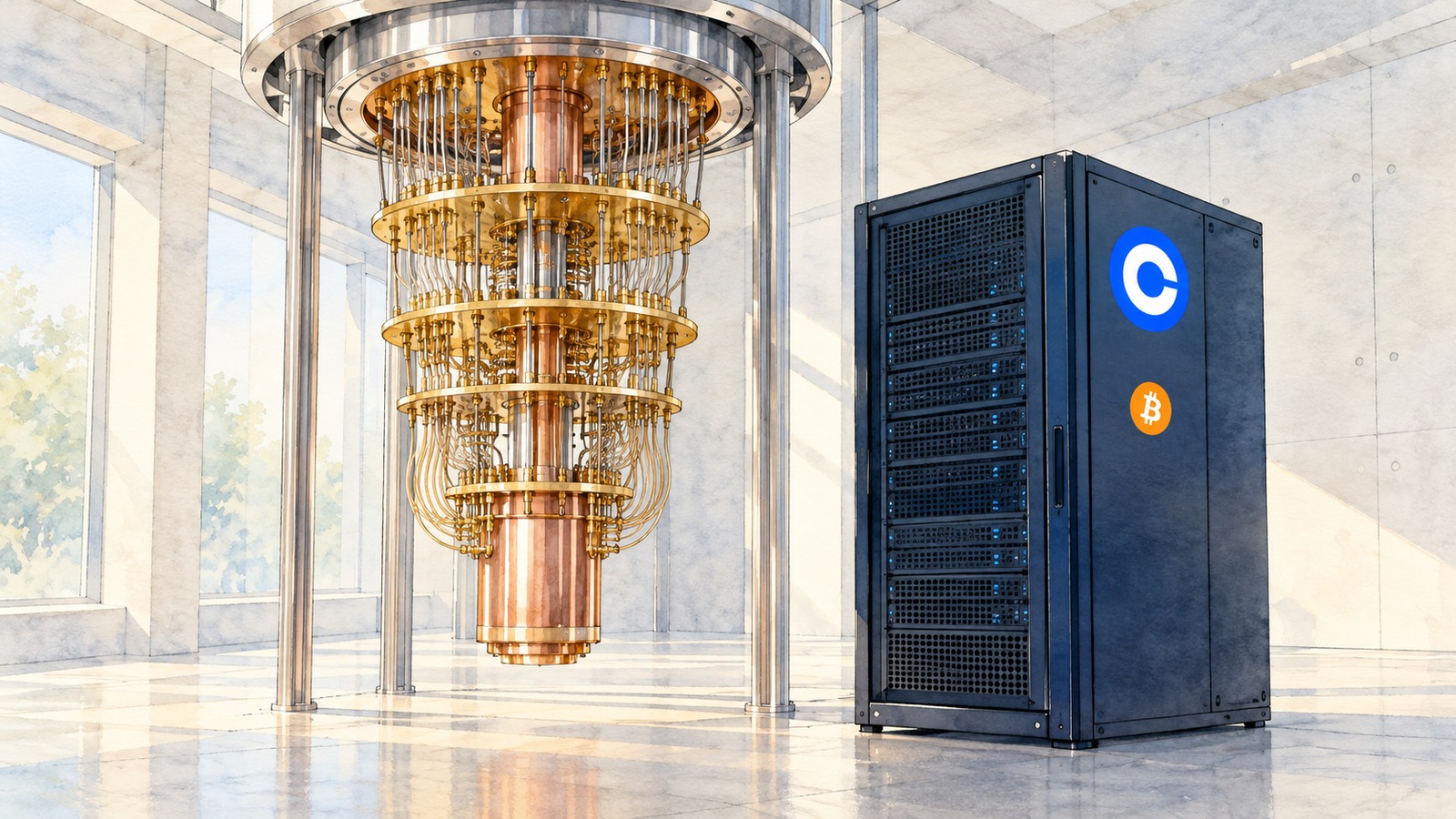
Blockstream CEO Adam Back told attendees at Paris Blockchain Week that Bitcoin should build optional upgrades to resist quantum attacks now, despite quantum computing remaining largely experimental. He argued that creating controlled migration paths to quantum-safe cryptography is safer than reacting under crisis conditions.
Back described current quantum systems as laboratory-stage technology and said he has followed the field for more than two decades. He recommended developing optional upgrade mechanisms that allow users to move to quantum-resistant signature schemes if and when the risk materializes.
Blockstream maintains a dedicated quantum research team and has tested hash-based signature schemes on its Liquid Network, a Bitcoin layer-2 sidechain. Back noted that the Taproot protocol could accommodate alternative signature algorithms without affecting wallets that remain on existing schemes.
Researchers at Alphabet and the California Institute of Technology have published work suggesting functional quantum machines capable of breaking common cryptographic schemes could arrive sooner than many expect. Those researchers warned that an attacker could recover a private key and claim funds while a transaction is being broadcast, an attack pattern often called an “on-spend” attack. Some estimates from that work indicate a quantum device might break current signatures in minutes under certain technical assumptions.
Back has previously estimated the timeline for a practical quantum threat at roughly 20 to 40 years and observed that current quantum processors are slower than classical devices for most tasks. He added that Bitcoin developers have acted quickly on urgent issues in the past, noting bugs have been identified and fixed within hours when consensus and attention focused on a problem.
A separate proposal from Jameson Lopp and other security researchers recommended freezing addresses considered vulnerable to quantum attacks, including Satoshi’s BTC, to prevent theft if powerful quantum machines appear. The proposal received criticism from some community members: Mark Erhardt described it as “authoritarian and confiscatory,” and Phil Geiger commented, “We have to steal people’s money to prevent their money from being stolen.”
Back called for continued research into quantum threats, further testing of alternative signature schemes in sidechains and layer-2 networks, and technical design work to enable optional, non-disruptive upgrade paths that users can adopt if needed.
The material on GNcrypto is intended solely for informational use and must not be regarded as financial advice. We make every effort to keep the content accurate and current, but we cannot warrant its precision, completeness, or reliability. GNcrypto does not take responsibility for any mistakes, omissions, or financial losses resulting from reliance on this information. Any actions you take based on this content are done at your own risk. Always conduct independent research and seek guidance from a qualified specialist. For further details, please review our Terms, Privacy Policy and Disclaimers.
Articles by this author