#security
236 articles found
Latest
WhiteBIT’s Cybersecurity Tips
 Cyberattacks are becoming a regular headline. According to a Global Web3 Security Report, the crypto industry is facing losses of up to $889 million in recent times due to such incidents. This alarming statistic brings the focus on cybersecurity, highlighting the need to secure our cryptocurrency assets.
 Reports are surfacing that OpenSea, the NFT marketplace, has potentially suffered a data breach.
Due to a vendor's security lapse, OpenSea's API keys may have been compromised, and users have been alerted via email.
The best course of action? Replace those keys.
Yet, there's been a noticeable absence of official comments from OpenSea on platform X.
Reports are surfacing that OpenSea, the NFT marketplace, has potentially suffered a data breach.
Due to a vendor's security lapse, OpenSea's API keys may have been compromised, and users have been alerted via email.
The best course of action? Replace those keys.
Yet, there's been a noticeable absence of official comments from OpenSea on platform X.  Crypto analytics platform Nansen revealed a security breach stemming from a compromised third-party vendor. This breach led to the exposure of emails, password hashes, and some blockchain addresses for 6.8% of its users. The attacker gained admin access to an account used for customer platform access. Nansen has reached out to affected users, urging password changes and caution against phishing attacks.

 Stablecoin issuer TrueUSD experienced a security breach via a third-party provider, resulting in the exposure of customers’ first and last names, email addresses, phone numbers, addresses, dates of birth, bank details, transaction histories, and blockchain account public addresses.
 In the first half of 2023, the crypto exchange Upbit faced 159,000 attacks, marking a 117% surge from early 2022 figures. These persistent threats pushed the exchange to transfer up to 70% of its funds to cold wallets and to ramp up its security measures. However, despite these precautions, the exchange mistakenly recognized fake APT deposits as legitimate.

 Uniswap has rolled out "Swap Protection" to shield Ethereum mainnet transactions from sandwich attacks and front-running.
When users enable this feature in the Uniswap Wallet, swaps are directed to a private transaction pool, enhancing security against potential threats. Due to this added layer, some swaps might have higher auto slippage to boost the likelihood of successful transactions.
Uniswap has rolled out "Swap Protection" to shield Ethereum mainnet transactions from sandwich attacks and front-running.
When users enable this feature in the Uniswap Wallet, swaps are directed to a private transaction pool, enhancing security against potential threats. Due to this added layer, some swaps might have higher auto slippage to boost the likelihood of successful transactions.  Several iToken wallet users found their private keys and secret phrases exposed because of a Trojan virus created by a former Huobi employee.
Upon this unsettling discovery, iToken's team swiftly notified the endangered users, making them aware of possible wallet risks.
The investigation has kicked off, focusing on Huobi employee's involvement.
Several iToken wallet users found their private keys and secret phrases exposed because of a Trojan virus created by a former Huobi employee.
Upon this unsettling discovery, iToken's team swiftly notified the endangered users, making them aware of possible wallet risks.
The investigation has kicked off, focusing on Huobi employee's involvement.  OKLink and CertiK are launching the Freeze Asset Request (FAR) standard to simplify the freezing of stolen assets and bolster Web3 security. Exchanges often lag in responding to asset-freezing requests following a hack due to their in-house systems, but this innovation aims to rectify that situation.
 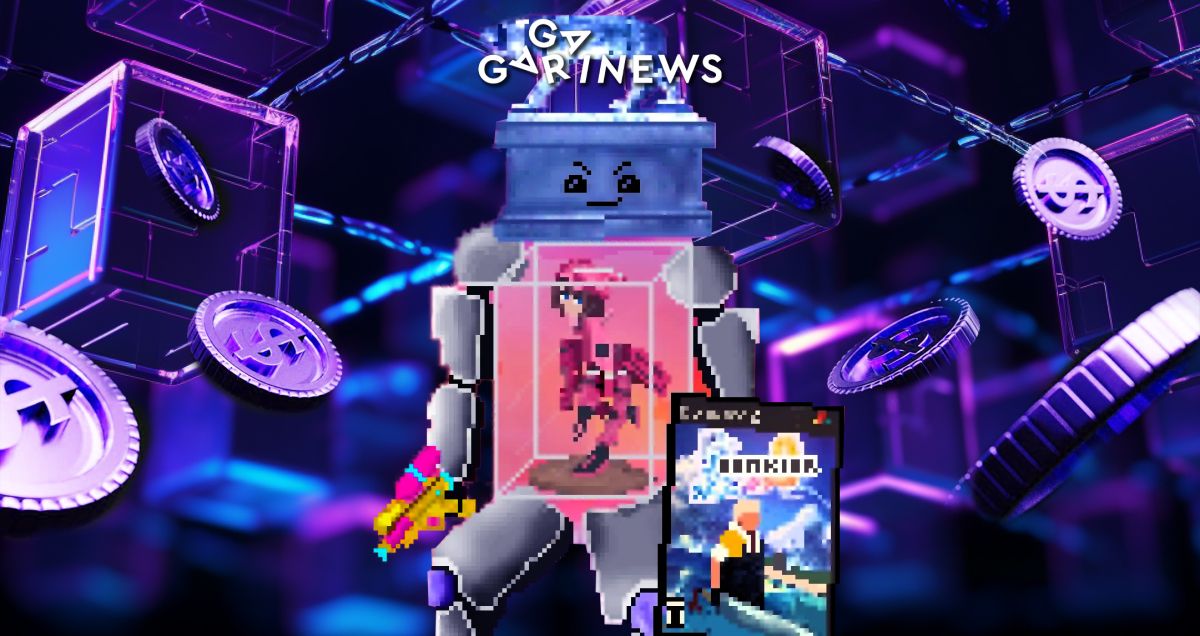 A team member, involved with the experimental Bonkler collection, misappropriated $1 million from the company's commission proceeds. However, the collection's primary assets, including the main contract and NFTs, remained unaffected. Bonkler’s daily minting process is currently suspended but will be reinstated after transitioning to its V2, which will feature lending and treasury functionalities. Per Remilia's co-founder, the breach was orchestrated by a developer in collaboration with two other team members. These individuals not only misappropriated the funds but also tried to blackmail the rest of the team by gaining access to certain social platforms. These employees have since been dismissed, and the company is gearing up to press legal charges against them.