#hackers
66 articles found
Latest
 Fidelity, the issuer of one of the Bitcoin ETFs (FBTC), has officially confirmed a data breach that compromised the personal information of more than 77,000 clients. While the company has not disclosed many details about the incident, it assured clients that the hackers did not gain access to their accounts. The breach occurred between August 17 and August 19, 2024.


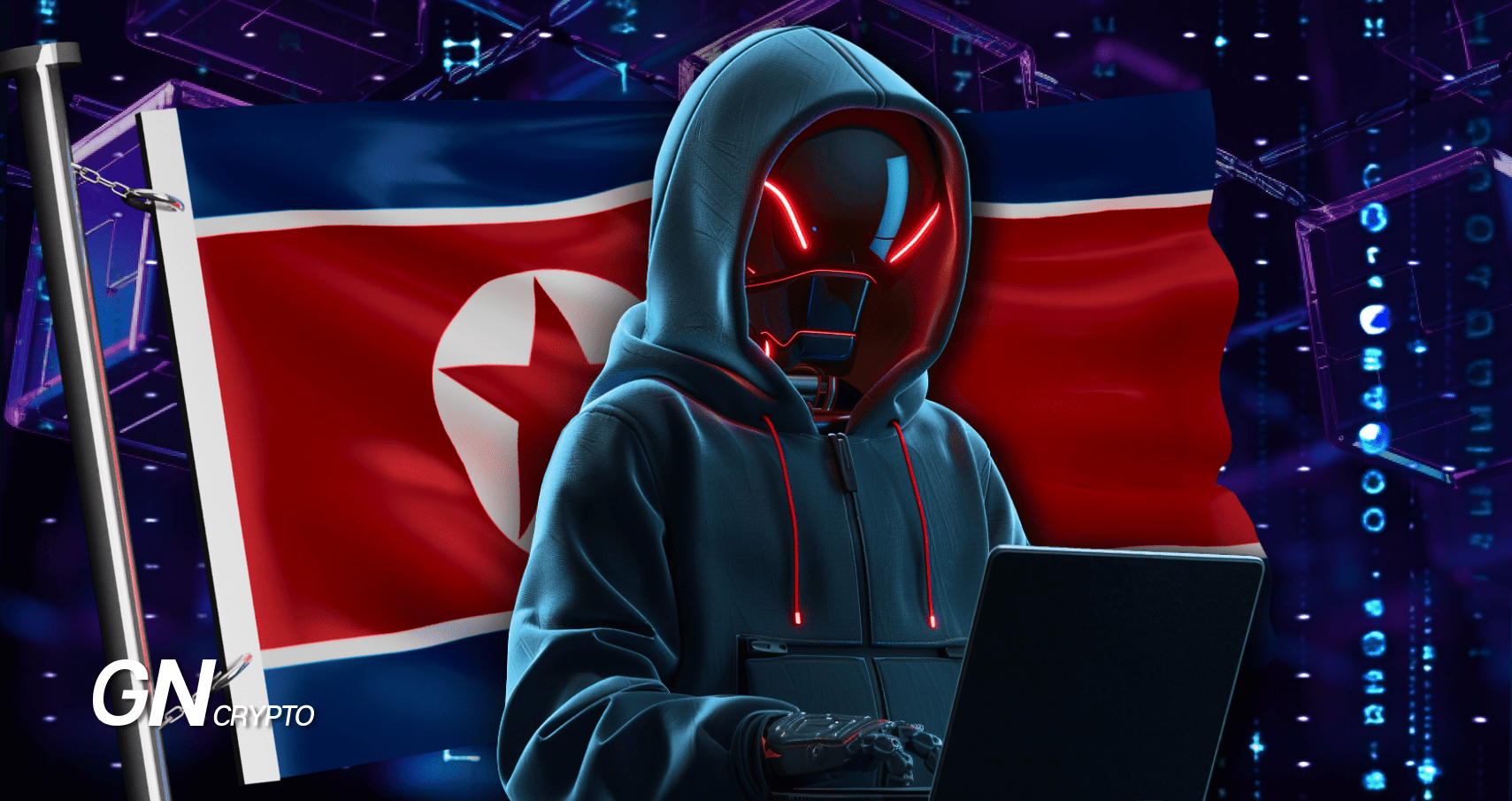 North Korean hackers are now leveraging artificial intelligence to orchestrate more complex cyberattacks targeting military, infrastructure, and financial entities, including crypto projects. This advancement has been acknowledged by AI developer OpenAI, Microsoft, and the South Korean government, which consistently monitors attempts to infiltrate its public sector employees.


 CiberInteligenciaSV, the hacking group behind the security breach of El Salvador's state-run Bitcoin wallet Chivo, has started leaking portions of the app's source code. They had already disclosed the personal information of almost all adult users in El Salvador (5.1 million people) who downloaded the wallet.
  Unknown hackers have compromised NFPrompt, a platform that facilitates the creation of Web3 content with artificial intelligence. They managed to steal funds from the project's treasury and ecosystem fund. However, according to the developers' statement, the remaining assets, including user tokens, are completely secure at this time.
  North Korean hackers have infiltrated two South Korean companies involved in chip manufacturing, including those used in artificial intelligence technologies. The South Korean National Intelligence Service has not disclosed the full scale of the breach but confirmed the theft of numerous blueprints of products and manufacturing facilities.

 A recent investigation into ThorSwap, a platform enabling asset transfers across blockchains, raises concerns about its misuse by hackers from North Korea and russia. In the last four months, more than 50% of ETH converted to BTC through ThorSwap has been linked to either previous thefts via exploits or money laundering activities. The study's author highlights that criminal entities often exploit decentralized technologies. However, many developers seem to overlook this issue.
  Hackers managed to drain 6000 ETH, 3.9 million USDT, 1.1 million USDC, and 900,000 DAI from the company's address.
Tongue-in-cheek, one might say Drake was responsible for the audit.
UPD: Hacken has disclosed that an initial cyber theft of $20.69 million was executed on the Ethereum network, which was followed by subsequent heist amounting to $25.6 million across the BSC and Polygon networks.
The project's team has not yet commented on the breach.
The only information available is a Telegram channel update, indicating technical maintenance for the withdrawal of ETH, USDT, and ERC20 tokens.
Hackers managed to drain 6000 ETH, 3.9 million USDT, 1.1 million USDC, and 900,000 DAI from the company's address.
Tongue-in-cheek, one might say Drake was responsible for the audit.
UPD: Hacken has disclosed that an initial cyber theft of $20.69 million was executed on the Ethereum network, which was followed by subsequent heist amounting to $25.6 million across the BSC and Polygon networks.
The project's team has not yet commented on the breach.
The only information available is a Telegram channel update, indicating technical maintenance for the withdrawal of ETH, USDT, and ERC20 tokens.