✨ U.S. Department of Commerce Moves Economic Data to the Blockchain
posted 27 Aug 2025
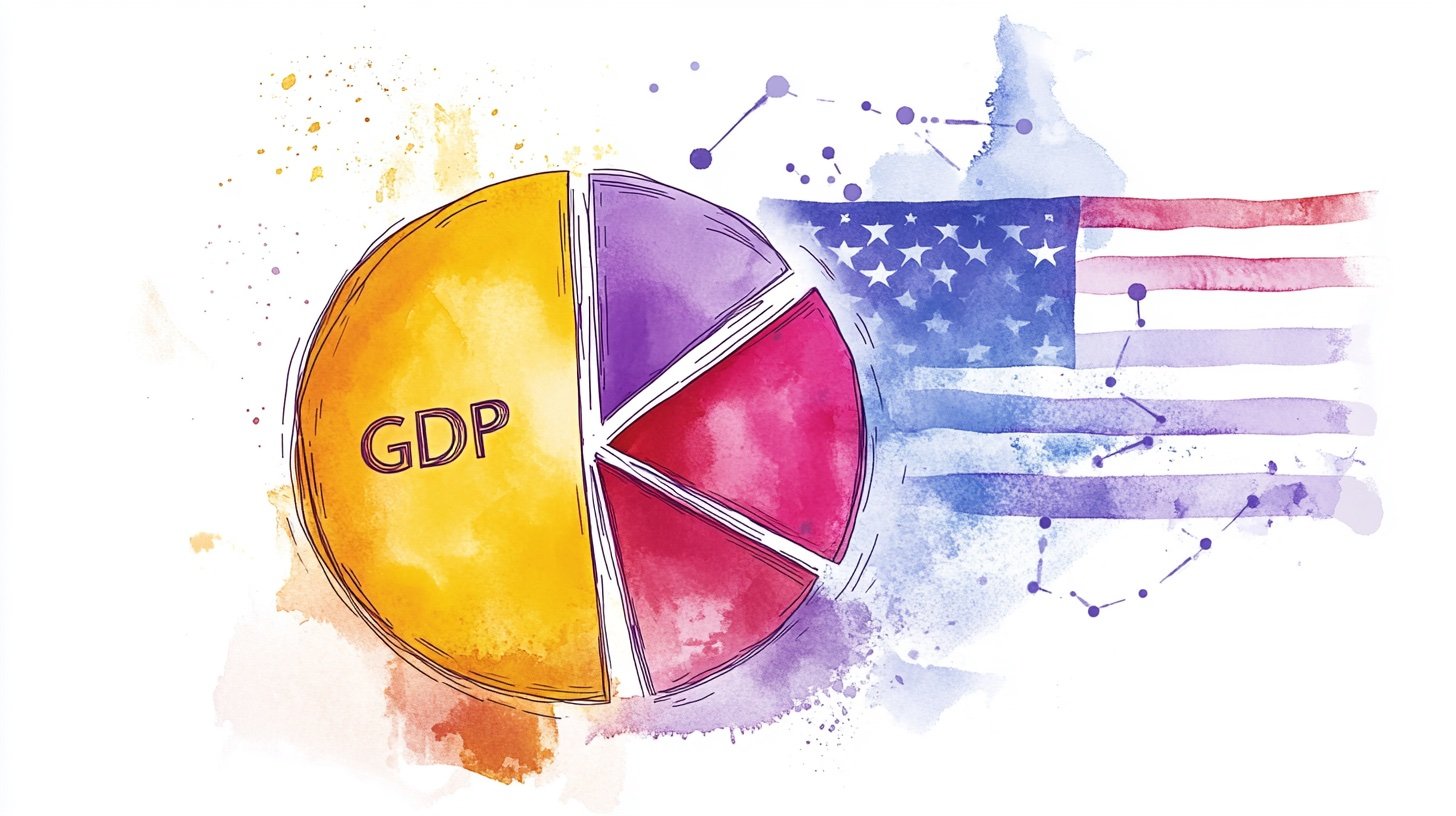
The U.S. Department of Commerce has announced plans to publish GDP data on the blockchain. The decision is strategic, but it is raises many questions, from trust in the figures to the real goals.
Blockchain in Statistics: A Step Forward or a Showpiece?
Interest in cryptocurrencies has become a noticeable part of the current administration's rhetoric, and the blockchain is gradually turning into an element of the state's image. The phrase from Commerce Secretary Howard Lutnick that the initiative aligns with crypto-President Trump's agenda only emphasizes that it is not so much about technological solutions as it is about political signals: a demonstration of openness, flexibility, and the "digital maturity" of the government.
The news has generated a positive reaction in the crypto community, and the initiative is being actively discussed on social media.
If this transparency is not achieved, even the most reliable blockchain will not solve the problem. It will simply fix what may have already been distorted before publication. Not only that: in fact, blockchain can be used to legitimize inaccurate data (after all, “data from the blockchain cannot lie”).
In some cases, such projects have proven their effectiveness: they have accelerated processes, reduced costs, and simplified verification. In others, they have remained in pilot status, with a limited scope of application.
At first glance, this looks like a step toward transparency and open government. Blockchain can, of course, protect data from being altered after publication. But this does not mean that the data itself automatically becomes more reliable. For government statistics to truly be trusted, it is not enough to simply change the storage method and add the fashionable word "blockchain" to government documents.
It is necessary to explain to citizens:
- who provides this data;
- who collects it and how;
- what calculation methodology is used;
- who verifies the figures and how they can be cross-referenced with the original sources.
Therefore, for now, the initiative looks more like a showpiece: a demonstration of technological prowess, not a reform of statistics.
Technology and the Real Consequences of Government Blockchain Use
The U.S. is not the first country to use blockchain for the public sector applications:
- In Estonia, for several years now, state registers (including health, courts, and cadastres) have been protected using KSI (Keyless Signature Infrastructure) technology, which allows data integrity to be verified without the use of traditional cryptographic keys.
- In the European Union, the EBSI (European Blockchain Services Infrastructure) has been developing since 2018, providing cross-border digital public services and used, for example, to verify diplomas, register companies, and track documentation.
- In 2023, Argentina launched a state digital identity system based on the blockchain. The QuarkID platform allows citizens to store and manage personal data (such as identity cards and medical certificates) in a secure, decentralized environment. The project is being implemented with the support of the Buenos Aires government and the company Extrimian, and is gradually expanding to other regions of the country.
- In the UAE, especially in Dubai, blockchain has become the basis of the "Smart Dubai" initiative. Since 2021, all government agencies have been required to use blockchain for document management, including municipal services, business licensing, and the land registry.
So the U.S. Department of Commerce's initiative is not unique. Rather, it is an attempt to join an existing trend. The only difference is the scale of the economy and the political context in which the initiative is presented. If placing GDP data on the blockchain is limited to a change in publication format, it is unlikely to affect the perception of the data. For such a step to be meaningful, what is important is verification of the methodology, openness to audits, and independent sources, not just a new distribution channel.
Technology itself does not create trust. It is built on procedures, access to sources, and transparency of calculations. Without this, the blockchain becomes just a nice wrapper for the same unreliable figures.