US expects $1B crypto seizure tied to Iran this week
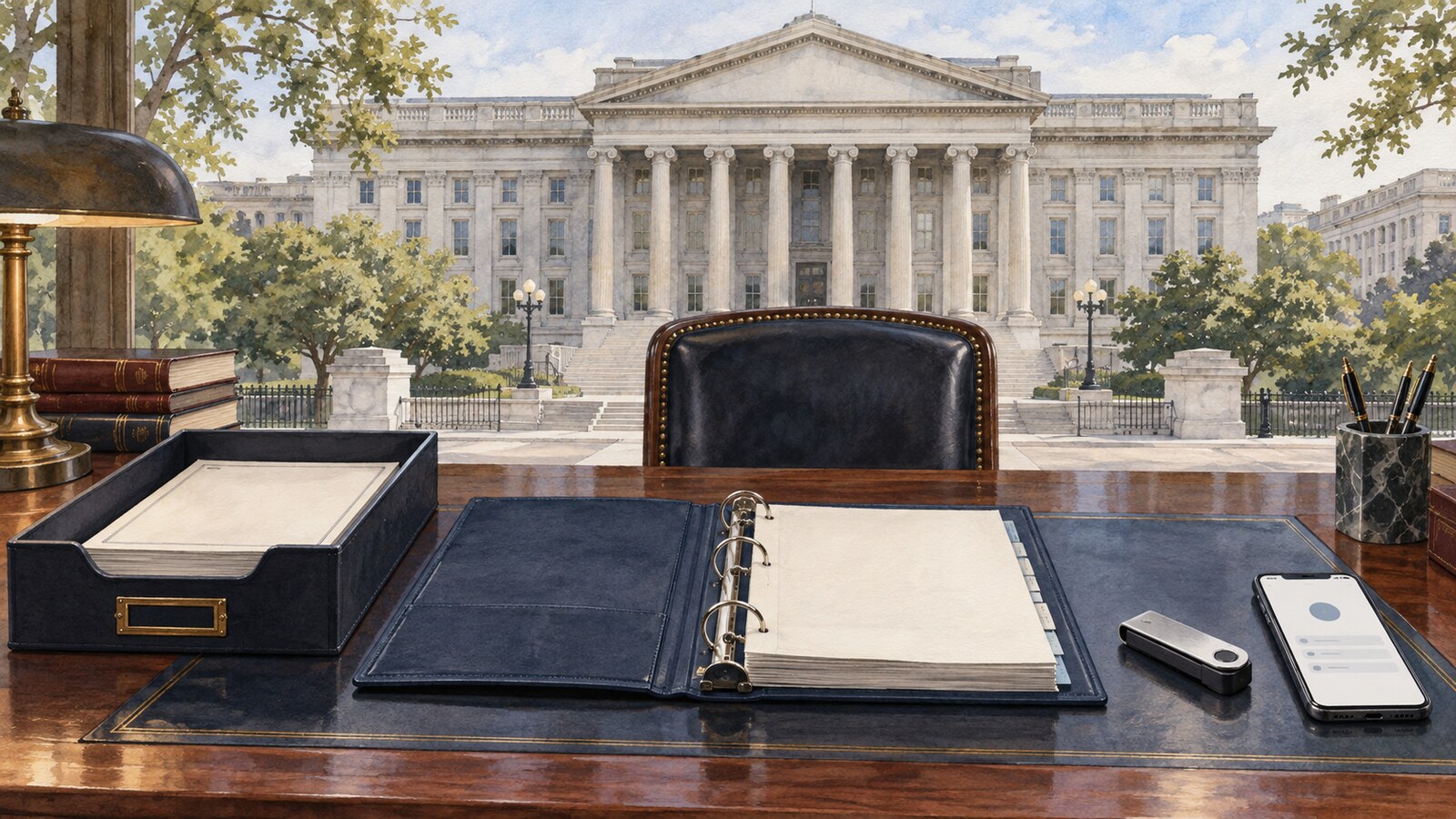
Treasury Secretary Scott Bessent said the US expects to seize about $1 billion in cryptocurrency linked to Iran this week under sanctions targeting its financial networks.
The planned seizure is part of US efforts to restrict Iran’s access to funds during its latest military conflict, which began in February. Bessent made the remarks Thursday at a summit. He did not identify the digital assets involved or say whether they were held on cryptocurrency exchanges or frozen by stablecoin issuers.
“We know where it is, and we are isolating them,” Bessent said. He described the action as part of a broader effort to disrupt financial networks supporting Iran’s government.
The Treasury Department’s Office of Foreign Assets Control announced in August that it was targeting cryptocurrency exchanges accused of helping transfer funds to Iran’s Islamic Revolutionary Guard Corps. Bessent said the United States would increase economic pressure on Iran by targeting financial flows in dollars, rials and cryptocurrency.
In April, Bessent claimed that US authorities had seized $500 million in cryptocurrency linked to Iran. He did not provide further details about those assets or the planned seizure.
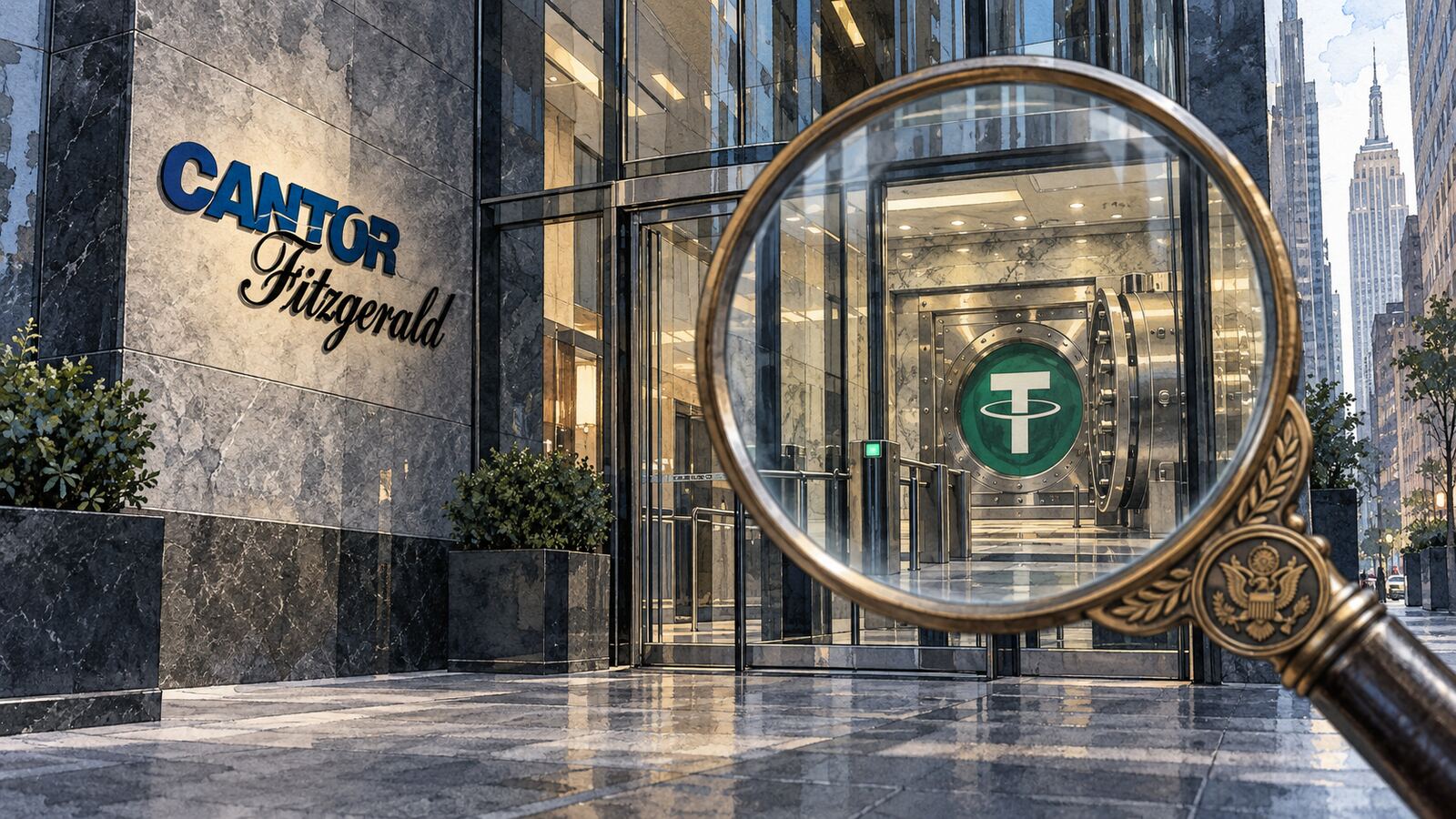
Tether reported in September that it had frozen $550 million worth of its USDT token in 2026 in connection with sanctions enforcement involving Iran. The company said $344 million of that total was frozen in April. Bessent and the Treasury Department did not specify whether the expected seizure would involve assets frozen by stablecoin issuers or cryptocurrency held on exchanges.
The material on GNcrypto is intended solely for informational use and must not be regarded as financial advice. We make every effort to keep the content accurate and current, but we cannot warrant its precision, completeness, or reliability. GNcrypto does not take responsibility for any mistakes, omissions, or financial losses resulting from reliance on this information. Any actions you take based on this content are done at your own risk. Always conduct independent research and seek guidance from a qualified specialist. For further details, please review our Terms, Privacy Policy and Disclaimers.
Articles by this author