Trezor: You only own bitcoin if you hold private keys
Trezor warned that customers who keep bitcoin with exchanges, brokers or ETFs hold claims in another party’s ledger, not the coins; the firm marked its 12th year by promoting hardware wallets.
Trezor, a Prague-based hardware-wallet maker, warned that customers who keep bitcoin with exchanges, brokers or ETFs hold ledger entries maintained by those firms rather than the underlying coins.
The company marked its 12th anniversary by promoting self-custody and hardware wallets and launched Self‑Custody Week to raise awareness about holding private keys.
Trezor explained that private keys control access to bitcoin and can be removed from users’ custody when assets are held by third parties. When a platform maintains customers’ balances, holders have a claim on that platform’s books and access depends on the platform’s decisions.
The company pointed to recent events to illustrate the risk. When new EU crypto rules took effect this summer, several exchanges without licences stopped offering regulated services to EU customers, affecting millions and leaving withdrawals and access subject to each platform’s wind-down plans.
Trezor also highlighted the growth of spot bitcoin exchange-traded funds. Tens of billions of dollars of bitcoin exposure are held inside ETF structures by financial institutions; ETF shares track bitcoin’s price but do not give holders the private keys or the ability to move the underlying coins.
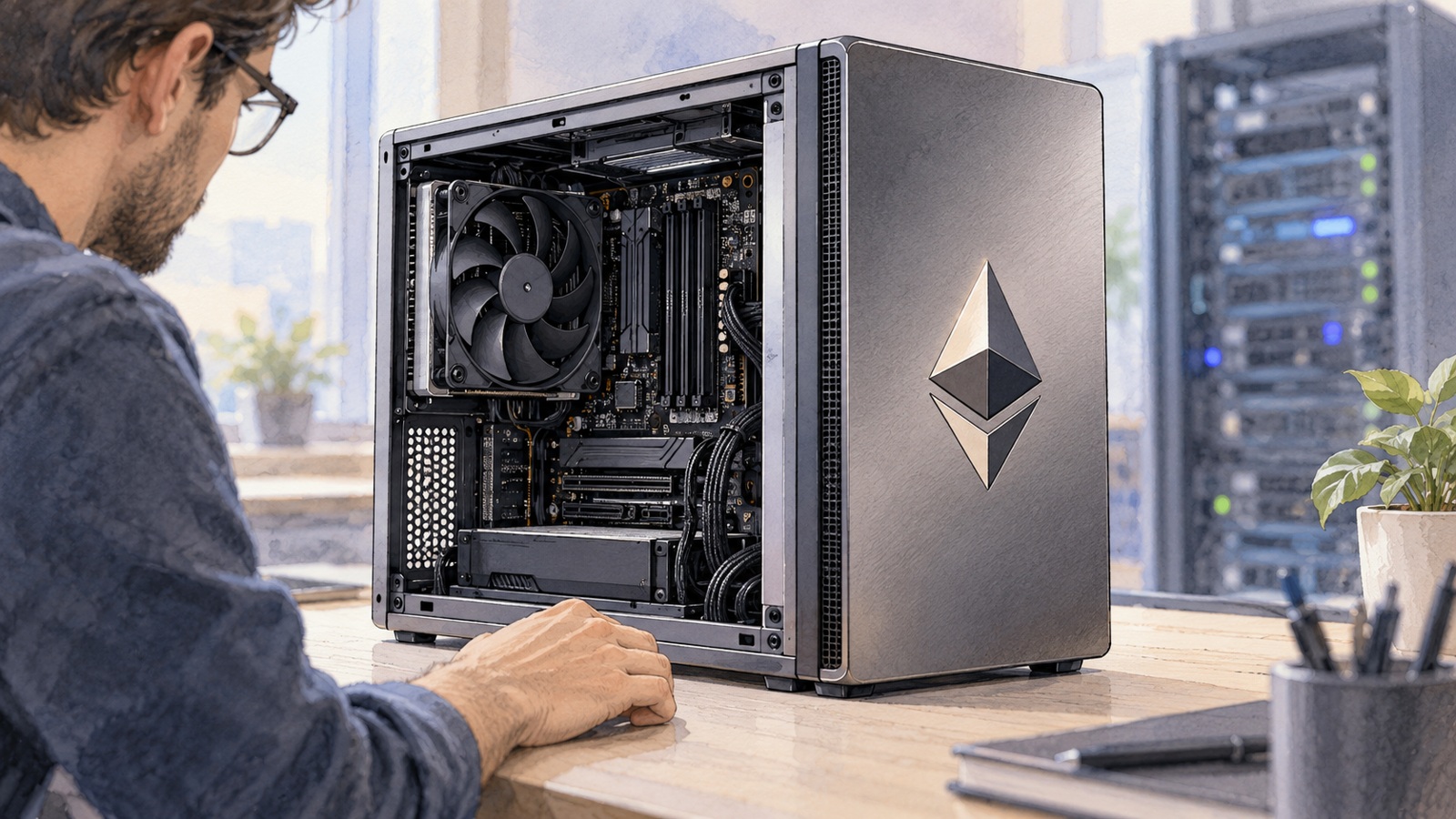
The firm described how hardware wallets operate: a private key is generated and stored on a small device that never connects to the internet. To spend coins, unsigned transaction data is sent to the device, the device signs the transaction internally, and the signed transaction is broadcast, so the key is never exposed to a phone, computer or network.
Trezor noted that coins tied to a device’s key cannot be frozen in a counterparty’s bankruptcy, lost in a custodian’s server hack, or restricted by a platform licensing decision.
Founders Marek Palatinus and Pavol Rusnák shipped the first Trezor hardware wallet 12 years ago to reduce the technical difficulty of holding private keys for ordinary users.
The company referenced industry estimates that there are about 600 million crypto users worldwide, of whom roughly 10 percent control their own private keys and about 12 to 13 million use hardware wallets.
Trezor cited past custodial failures as examples. When FTX collapsed in 2022, many customers who had entrusted a custodian lost access to funds. The firm said access can change without fraud or hacks when platforms alter services for regulatory or business reasons.
Danny Sanders, Trezor’s chief commercial officer, cautioned: “The worst outcome for this industry would be everyone deciding to just put it in an ETF and calling that bitcoin ownership.”
Trezor described Self‑Custody Week as an effort to show that managing private keys has become more approachable and to encourage users to consider the trade-offs of leaving assets with intermediaries.
The material on GNcrypto is intended solely for informational use and must not be regarded as financial advice. We make every effort to keep the content accurate and current, but we cannot warrant its precision, completeness, or reliability. GNcrypto does not take responsibility for any mistakes, omissions, or financial losses resulting from reliance on this information. Any actions you take based on this content are done at your own risk. Always conduct independent research and seek guidance from a qualified specialist. For further details, please review our Terms, Privacy Policy and Disclaimers.
Articles by this author