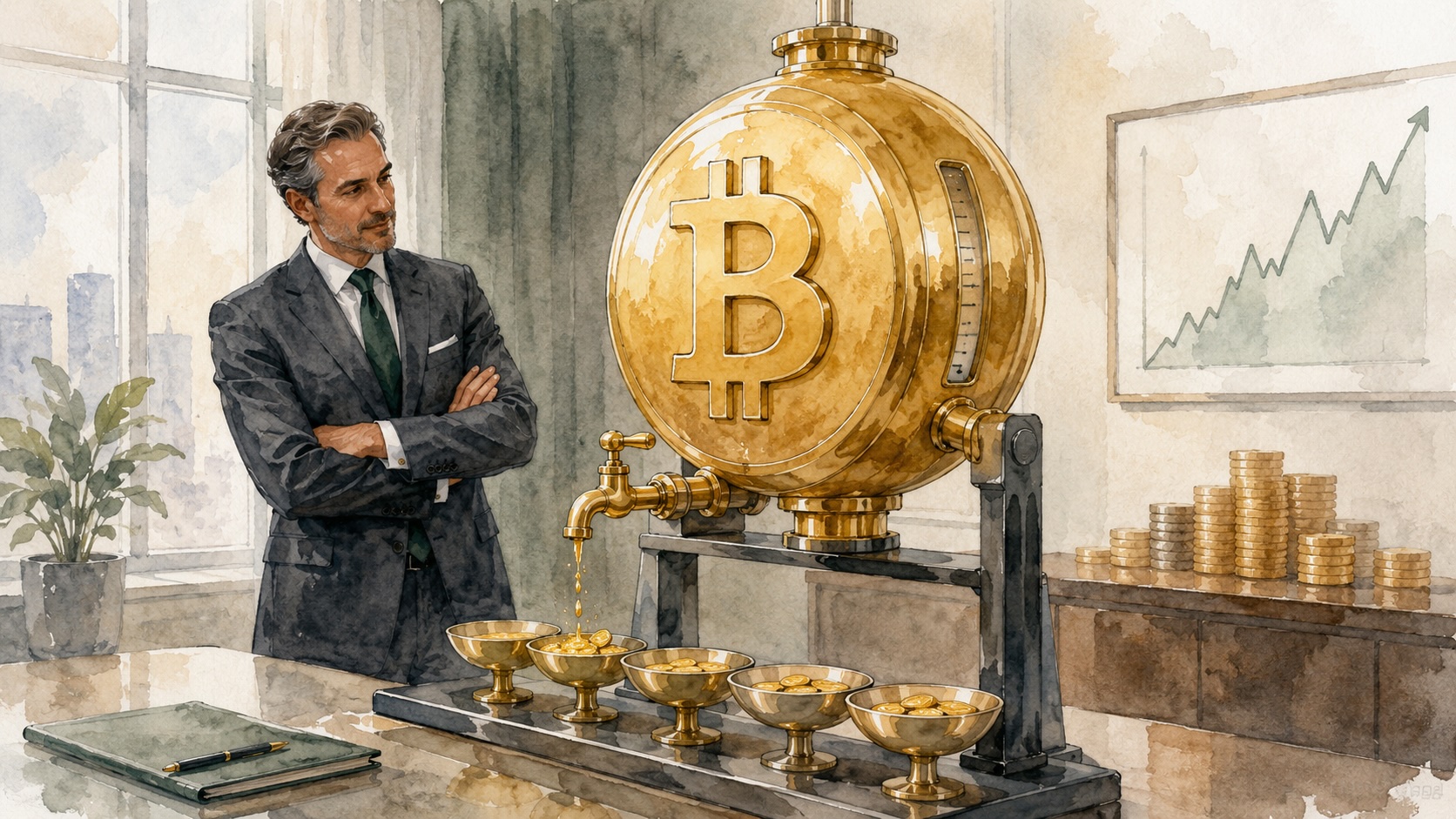
Tokenized RWAs: Treasuries, Credit, Stocks, Gold, Real Estate
Tokenized real-world assets reached $32.22 billion on-chain by end-June; US Treasuries, private credit, stocks and ETFs, gold and commodities and real estate lead tokenization.
Tokenized real-world assets totaled $32.22 billion in on-chain value at the end of June, according to industry data. Total holders of tokenized RWAs rose to 937,928, up 13% in the prior month. Including stablecoins, the broader tokenized market exceeds $328.8 billion.
US Treasuries are the largest tokenized category, at about $15 billion on-chain. Institutional products account for a large share of that total. BlackRock’s BUIDL fund reached more than $2.9 billion in total asset value by June 2025 and has distributed over $100 million in dividends; it runs on Ethereum, Solana, Polygon, Avalanche, Arbitrum, Optimism, Aptos and BNB Chain. In February 2026, BUIDL shares traded on a decentralized exchange under restricted conditions. Franklin Templeton’s BENJI token represents roughly $2.44 billion. Other Treasury-style token products include Circle’s USYC at about $3.1 billion, Ondo’s suite at roughly $3.7 billion and WisdomTree’s WTGXX at $764 million.
Private credit is the next-largest vertical, with about $6.2 billion on-chain. Tokenized private loans offer higher yields than government debt and can be transferred or used as collateral on-chain, reducing traditional lockup periods. Maple Finance and Stokr each hold about 22% market share in tokenized private credit.
Stocks and ETFs represent roughly $2.19 billion on-chain and grew nearly 50% over the prior 30 days. The Depository Trust & Clearing Corporation announced pilots this year to clear and settle tokenized securities, and more than 50 financial firms are participating. Market makers and trading platforms now control large shares of tokenized equity trading. One trading platform holds a majority share of tokenized equities and has formed partnerships to tokenize ETFs and to let token holders submit voting preferences for underlying shares.
Tokenized commodities, led by gold, peaked at $5.8 billion in March 2026 and have since settled near $4.7 billion. On-chain perpetual futures for commodities saw weekend volumes rise ninefold this year, and perpetual contracts make up more than two-thirds of builder-deployed contracts on decentralized exchanges. The correlation between tokenized gold and traditional gold markets exceeded 0.70 in the first quarter of 2026.
Real estate tokenization remains small by dollar value, at about $202.7 million, but has progressed into regulated markets. Dubai’s land authority moved into a second phase of property tokenization in February 2026, opening tokenized units for resale. Hong Kong’s regulator approved property tokenization products from a developer. Tokenized real estate represents fractional ownership and tradable shares of income-generating properties.
Tokenized RWAs remain small compared with traditional markets: tokenized Treasuries total about $15 billion versus roughly $30 trillion in the conventional US Treasury market. Liquidity is limited in many RWA products and holding periods can be long. In March, the U.S. securities regulator approved a proposal to allow certain stocks to be traded and settled via tokens. Geoff Kendrick, head of digital assets research at Standard Chartered, projected assets deployed in decentralized finance could reach $2.7 trillion by 2030 if the share of stablecoins and tokenized RWAs used in DeFi rises to about 30% from current single-digit levels. Carlos Domingo, CEO of Securitize, called the availability of regulated funds on decentralized exchanges “the unlock we’ve been working toward.”
The material on GNcrypto is intended solely for informational use and must not be regarded as financial advice. We make every effort to keep the content accurate and current, but we cannot warrant its precision, completeness, or reliability. GNcrypto does not take responsibility for any mistakes, omissions, or financial losses resulting from reliance on this information. Any actions you take based on this content are done at your own risk. Always conduct independent research and seek guidance from a qualified specialist. For further details, please review our Terms, Privacy Policy and Disclaimers.
Articles by this author