StarkWare Executes Quantum-Resistant Bitcoin Transaction
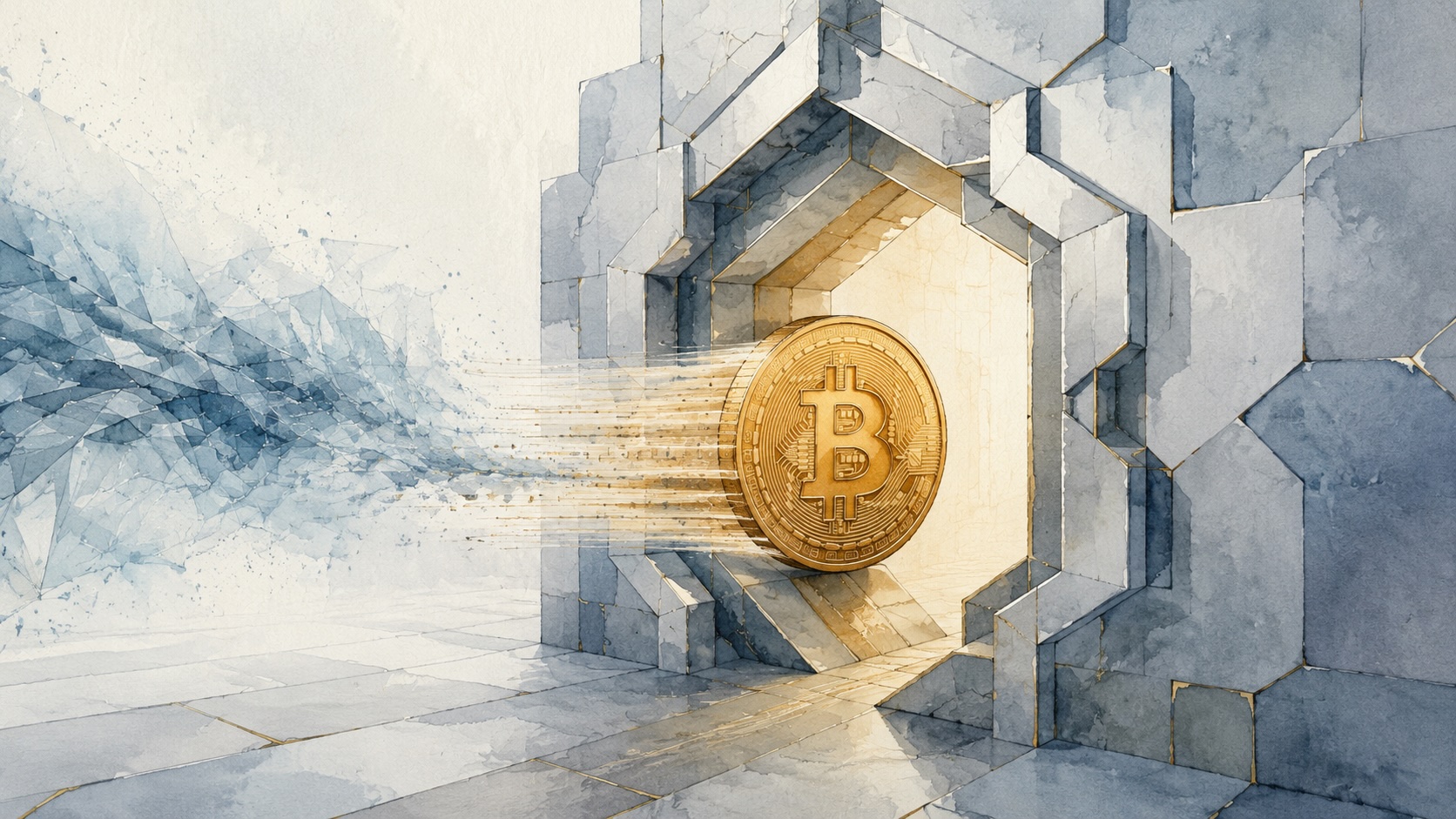
StarkWare researcher Avihu Levy spent 10,000 satoshis in an experimental QSB transaction on Bitcoin mainnet, confirmed in block 964,199 after submission via MARA Pool’s Slipstream.
StarkWare researcher Avihu Levy executed an experimental quantum-resistant transaction on the Bitcoin mainnet, spending 10,000 satoshis. The transaction was confirmed in block 964,199 on Wednesday after submission to the miner through MARA Pool’s Slipstream service.
Levy used his Quantum Safe Bitcoin (QSB) scheme. QSB combines hash-based one-time signatures with computational searches that bind an authorization to a specific transaction, a design intended to prevent forgery if a quantum computer breaks the elliptic-curve cryptography Bitcoin normally uses. Levy published a paper and a code repository outlining how the scheme fits within existing Bitcoin script and transaction rules.
On-chain records show the 10,000-satoshi output was spent under the QSB construction. StarkWare reported that Bitcoin’s current consensus rules can accept this form of quantum-resistant spending without a protocol change. Because QSB transactions are nonstandard under Bitcoin Core’s default relay policy, ordinary nodes would not have propagated the transaction before confirmation, requiring direct submission to a miner or a service that accepts nonstandard transactions.
StarkWare reported the process required hours of computation and cost in the “low hundreds” of dollars, with a company spokesperson estimating roughly $150 to $200. Levy had earlier estimated that generating a QSB transaction would require $75 to $150 in GPU computation. StarkWare described the technique as a last-resort protection rather than a replacement for network-wide cryptographic fixes.
Researchers at Google estimated that a sufficiently capable quantum computer could derive a Bitcoin private key nine to 12 minutes after its public key becomes visible, potentially allowing an attacker to replace a pending transaction during the confirmation window. QSB aims to limit that attack by authorizing a spent output only for a single, precomputed transaction.
Bitcoin developers are discussing proposals such as BIP-360, a soft fork that would introduce a Pay-to-Merkle-Root output type and remove Taproot’s quantum-vulnerable key-path spend. StarkWare CEO Eli Ben-Sasson wrote that a soft fork should happen and that QSB provides a safety net while protocol-level protections are developed.
The material on GNcrypto is intended solely for informational use and must not be regarded as financial advice. We make every effort to keep the content accurate and current, but we cannot warrant its precision, completeness, or reliability. GNcrypto does not take responsibility for any mistakes, omissions, or financial losses resulting from reliance on this information. Any actions you take based on this content are done at your own risk. Always conduct independent research and seek guidance from a qualified specialist. For further details, please review our Terms, Privacy Policy and Disclaimers.
Articles by this author