South Korea Proposes Legalizing ICOs, Awaiting Assembly Vote
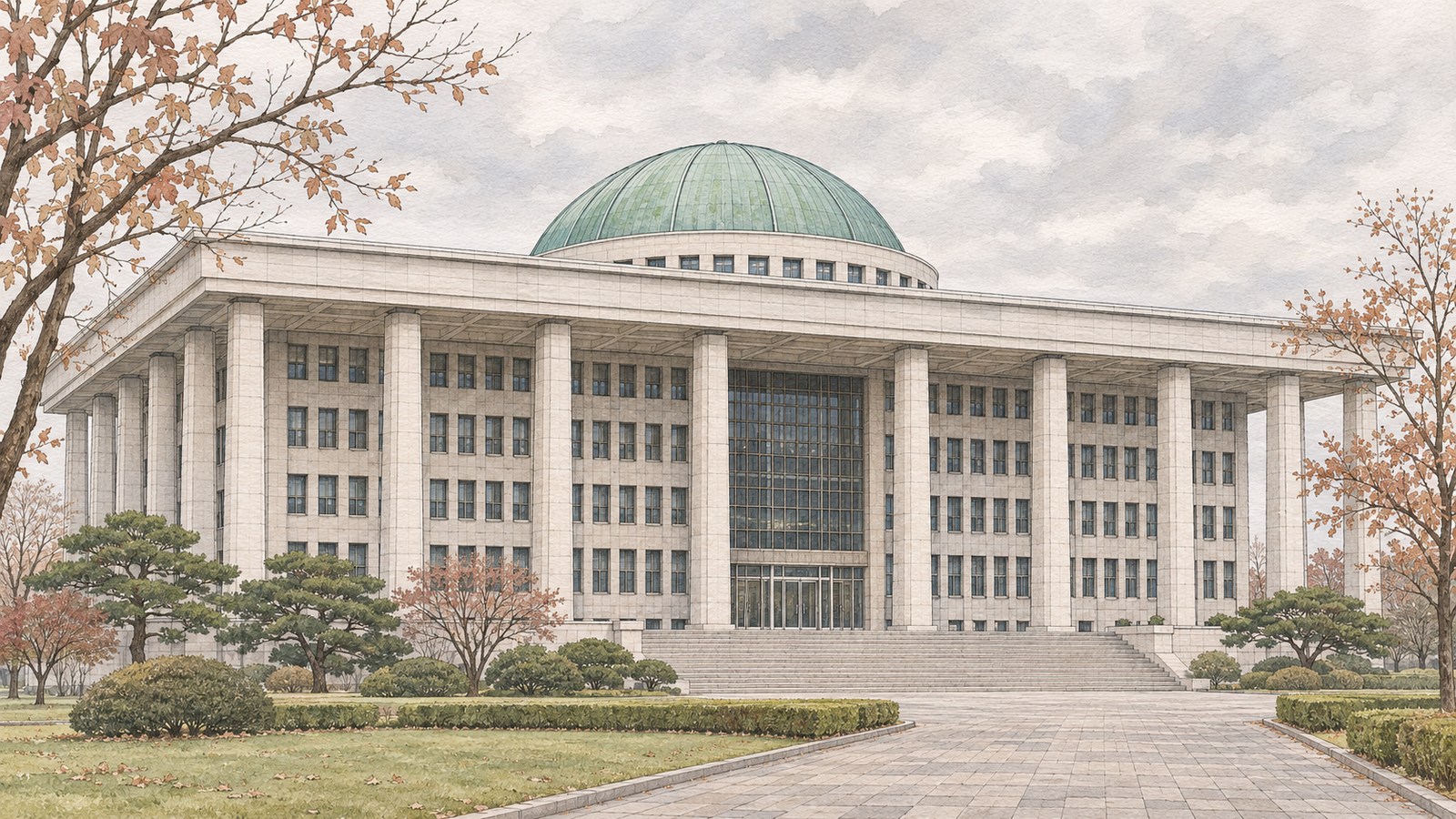
South Korea’s financial regulator has proposed allowing ICOs after issuers file white papers, but the National Assembly has not voted and the ban remains in force.
South Korea’s Financial Services Commission has proposed a law that would allow initial coin offerings if issuers file a white paper with the regulator before soliciting investors. The National Assembly has not voted on the bill, so the country’s ICO ban remains in force.
The bill was presented Nov. 24 at a meeting of the FSC’s Virtual Asset Committee at the Government Complex in Seoul. FSC Chairman Lee Eok-won chaired the meeting. The commission said it would support the legislative process and that the proposal must be discussed by the National Assembly before it can become law.
The proposed white paper would describe the project, the planned use of funds, the number of tokens to be issued, risks and the parties involved. An issuer or the broker arranging a sale would file the document with the FSC. The filing would have to be accepted and published before sales could begin. A deliberation period would also apply, but the bill does not specify its length.
The bill would replace South Korea’s current two-law framework with one law covering digital asset businesses, market conduct and user protection. The existing system requires virtual asset service providers to register and follow anti-money-laundering rules. Separate legislation covers customer assets and unfair trading.
The proposal would divide digital asset businesses into trading, brokerage, custody and management. Trading, brokerage and custody firms would need licences and at least 2 billion won ($1.4 million) in capital if they handle all digital assets, or 1 billion won if they handle only stablecoins. Management companies that do not hold customer assets would register with at least 500 million won in capital. An exchange would need licences for trading, brokerage and custody before the FSC could designate it as a platform operator.
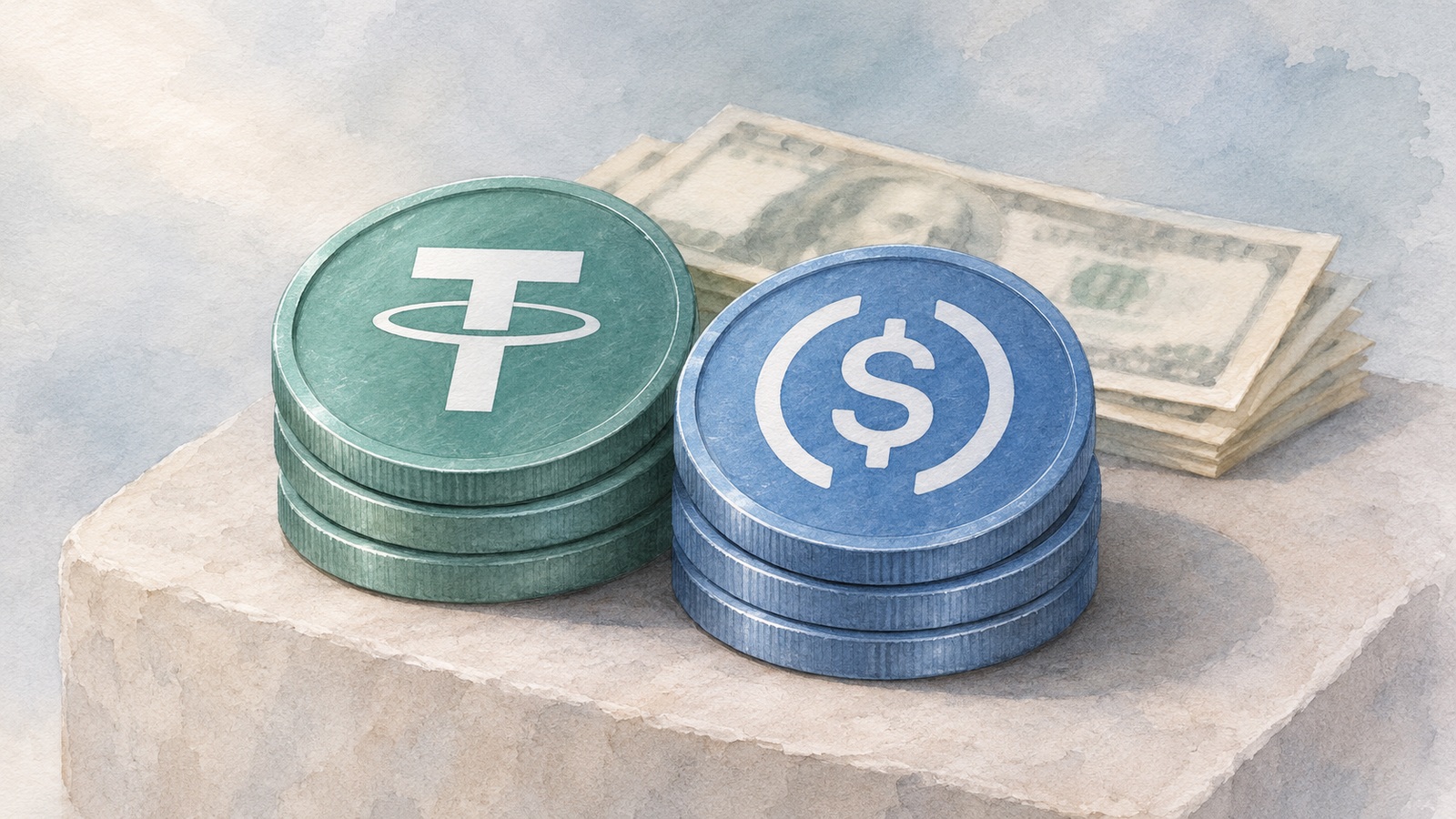
The bill would define stablecoins as digital payment tokens designed to maintain a stable value against one currency and used mainly for payments. Issuers would need an FSC licence, at least 5 billion won in capital, a business plan, qualified staff and measures to manage conflicts of interest.
Under Korea’s bank-led stablecoin plan, only consortiums in which banks hold a majority stake could issue stablecoins initially. Fintech and technology companies could be the largest individual shareholder without holding a majority. Reserves would have to equal at least the value of tokens in circulation and be held by a bank-type custodian separately from the issuer’s assets.
Stablecoins with more than 1 trillion won outstanding could be classified as significant digital payment tokens. That classification would bring higher capital requirements, tighter reserve rules and the Bank of Korea’s authority to request a joint inspection.
The bill would limit any shareholder’s stake in a platform operator to 20%, with approval possible for holdings of up to 34% through later rules. The limit would apply three years after designation. Smaller exchanges could receive an extension of up to three additional years.
Licensed firms would have to conduct regular checks of customer assets, obtain external audits, maintain customer registers and separate client funds from company assets. They could be liable for losses caused by hacking or system failures without proof of fault. The FSC could impose a fine of up to 10% of revenue when an information-technology safety breach causes an incident.
The proposal would expand rules against market manipulation and insider trading to tokens under review for listing. Exchanges would have to publish listing reports and promptly disclose hacks, outages and changes to token supplies.
None of the proposed provisions is in effect. Until the National Assembly passes the bill and related enforcement rules are issued, South Korea’s ICO ban, exchange registration system and current digital asset regulations will remain unchanged.
Reviewed and fact-checked by Alex Panasenko on November 25.
Articles by this author