Retail Chases 100x While Institutions Focus on DeFi Fundamentals
Retail investors chase 100x crypto narratives as institutions and analysts emphasise usage, fees and liquidity while DeFi protocols show large TVL and weak token prices.
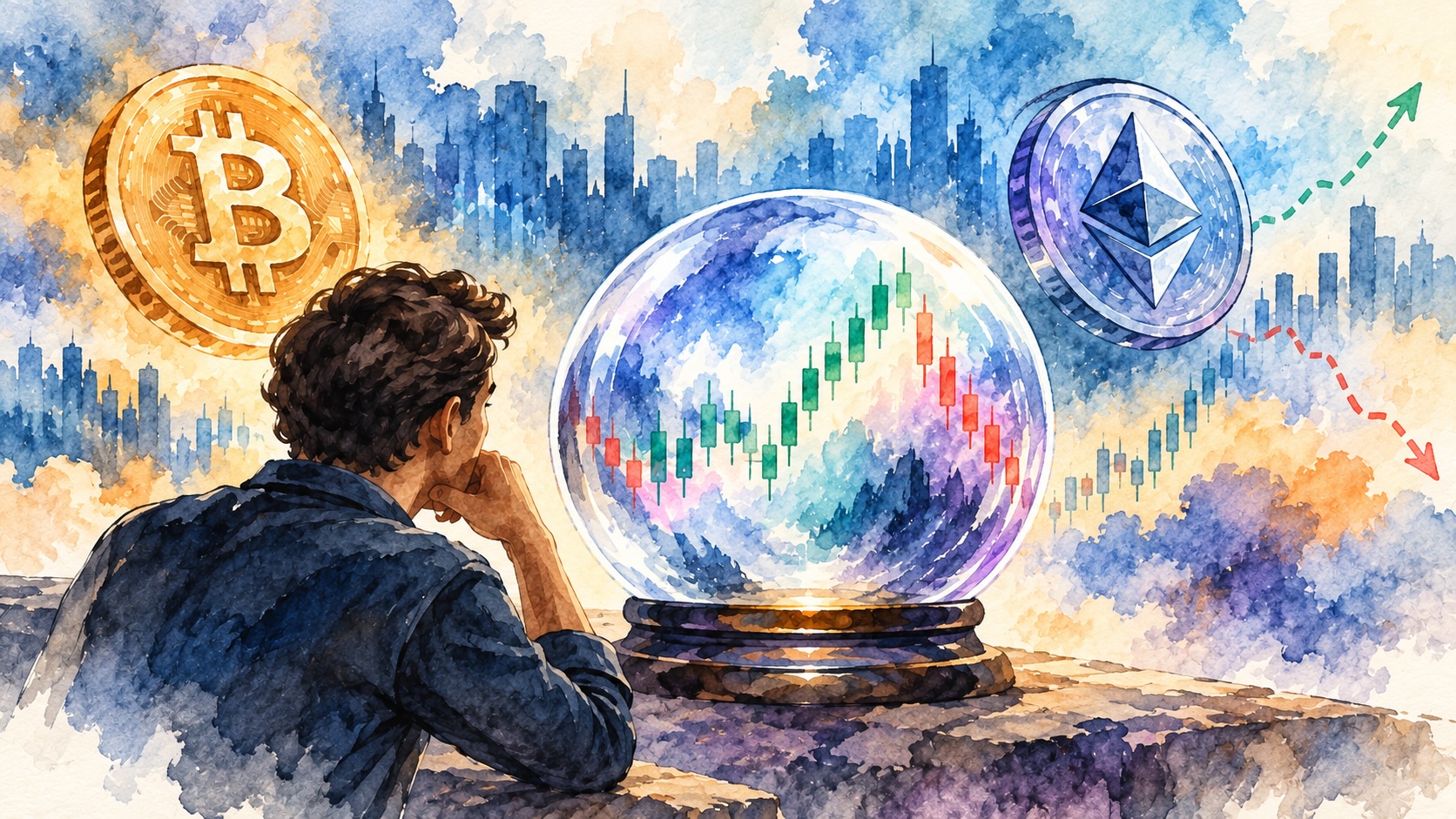
Retail traders continue to target speculative, high-return crypto narratives while institutional investors and market analysts focus on protocol fundamentals. The divergence is visible in decentralized finance, where large protocols report substantial deposits and fee revenue even as native token prices lag prior peaks.
A study that modeled $10,000 investments from January 2021 to April 2026 found unconventional collectibles and meme-style assets often matched or exceeded returns from mainstream crypto and equity picks. A sealed collectible box outperformed Bitcoin over that period, a limited-edition sneaker investment nearly matched returns tied to a meme token, and several exchange-traded funds tied to artificial intelligence trailed the broader stock market despite heavy media attention.
Meir Statman, professor of finance at Santa Clara University, wrote that “Investments change fast; human nature and human aspirations stay constant.” He described a framework in which investors mentally divide wealth into a layer for preserving living standards and a layer targeted at transformative gains. Under that framework, concentrated high-volatility bets can reflect a search for life-changing returns rather than a focus on steady returns.
The decentralized finance sector provides concrete examples of the gap between usage and token market value. Aave reported total value locked above $14 billion at the time of reporting and peaked at more than $37 billion in October 2025. Its native token traded near $98, about 85% below its 2021 high. These figures show sustained deposits and liquidity alongside subdued token performance.
Samar Sen, head of international markets at Talos, noted that price discovery in young asset classes is often driven by attention before detailed analysis. He added that new narratives offer simple stories for investors to back quickly, while assessing a protocol’s fundamentals requires work on metrics such as active users, fee revenue, token design and competitive position.
MarketWise calculations illustrate timing risk. A $10,000 Bitcoin investment in January 2021 rose to more than $24,000 by April 2026, a gain of roughly 141%. The same amount invested at Bitcoin’s cycle peak in October 2025 fell to just over $6,000 by April 2026, a decline near 38%. An example of a highly hyped DeFi token showed losses around 85% after a peak.
Thomas Probst, a research analyst at Kaiko, observed that resilience, liquidity and volatility remain important for an asset’s persistence over time. Institutional investors typically evaluate risk-adjusted returns, liquidity profiles, custody arrangements and operational resilience before allocating capital, creating a timing gap between retail-driven price spikes and larger institutional inflows.
Analysts report that the split between speculative retail demand and institution-level investability is influencing capital flows into digital assets, with institutions increasingly weighing usage, revenue and market structure before committing larger sums.
The material on GNcrypto is intended solely for informational use and must not be regarded as financial advice. We make every effort to keep the content accurate and current, but we cannot warrant its precision, completeness, or reliability. GNcrypto does not take responsibility for any mistakes, omissions, or financial losses resulting from reliance on this information. Any actions you take based on this content are done at your own risk. Always conduct independent research and seek guidance from a qualified specialist. For further details, please review our Terms, Privacy Policy and Disclaimers.
Articles by this author