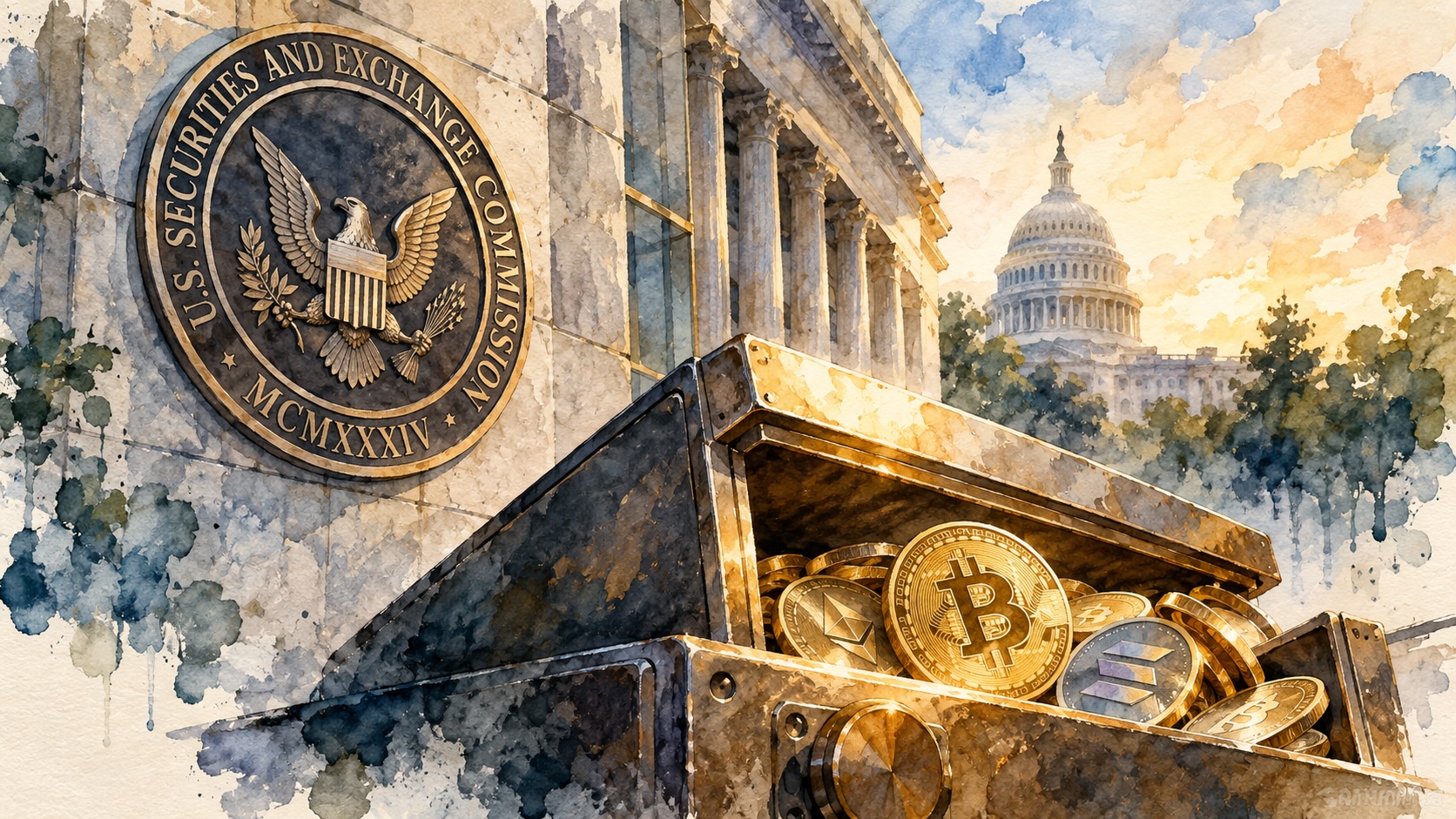
Prometheum Executes First Ethereum Trades After Nearly 10 Years
Prometheum began offering Ethereum trades last week after nearly a decade and roughly $100 million raised, using a special‑purpose broker‑dealer license approved by the SEC and FINRA.
Prometheum executed its first crypto trades last week, marking the company’s first customer-facing activity nearly a decade after it was founded and after raising close to $100 million. The firm opened trading for Ethereum under a special‑purpose broker‑dealer license approved by the SEC and FINRA.
The platform now provides customers access to Ethereum trades and the company says it will add more digital assets in the near term. Prometheum built a matching clearing and custody system designed so broker‑dealers and registered investment advisers can offer tokenized securities alongside stocks and bonds without using exchange‑traded funds as an intermediary.
Prometheum secured the special‑purpose broker‑dealer license in 2023, the first firm to receive that approval. The license permits custody and trading of securities that are issued and transferred in token form under federal securities laws, and the company structured its operations to meet those regulatory requirements.
Aaron Kaplan, founder and co‑CEO, said the platform is intended to serve broker‑dealer and RIA channels and major asset issuers, and that the system could expand access to crypto for ordinary brokerage accounts while potentially lowering fees linked to ETF wrappers.
Prometheum’s approach drew criticism in past years. In 2023 Kaplan testified to lawmakers that the SEC had laid out a clear compliance path, a stance that differed from major exchanges and protocols that opted for litigation. Observers at the time questioned the pace of Prometheum’s rollout and its low trading volumes.
The regulatory landscape has changed since Prometheum began its work. The SEC has new leadership, and the agency dropped several high‑profile enforcement actions, including a lawsuit against a major exchange. The SEC and the Commodity Futures Trading Commission have also signaled greater coordination on digital asset policy.
Last year the SEC issued guidance indicating its special framework for tokenized securities is optional. A legal analysis by Winston & Strawn found that traditional broker‑dealers can custody digital asset securities under existing customer protection rules without a special‑purpose license, narrowing the exclusive regulatory edge Prometheum had pursued.
Public and investor attention has focused on other products, particularly spot Bitcoin exchange‑traded funds that launched in 2024 and attracted significant inflows. Prometheum’s initial trades drew limited notice outside regulatory and institutional circles.
Prometheum says its trading and clearing services create a pathway for broker‑dealers to offer tokens directly alongside conventional investments. Company officials expect to add tokens beyond Ethereum and to expand access to broker‑dealers, registered investment advisers and asset issuers, offering custody and settlement under securities rules.
The material on GNcrypto is intended solely for informational use and must not be regarded as financial advice. We make every effort to keep the content accurate and current, but we cannot warrant its precision, completeness, or reliability. GNcrypto does not take responsibility for any mistakes, omissions, or financial losses resulting from reliance on this information. Any actions you take based on this content are done at your own risk. Always conduct independent research and seek guidance from a qualified specialist. For further details, please review our Terms, Privacy Policy and Disclaimers.
Articles by this author