OKX CEO: AI agents need sub‑cent blockchain payments
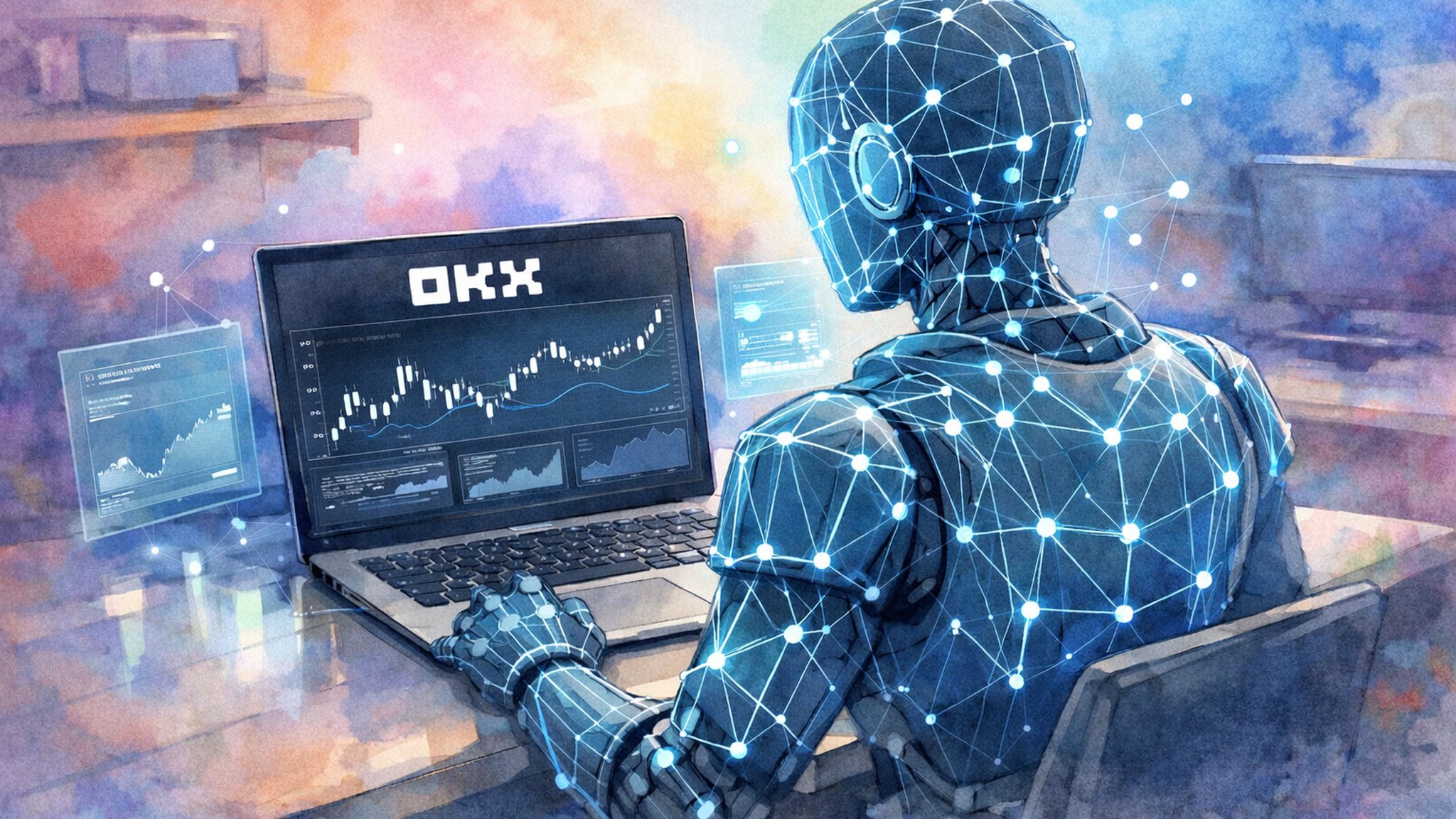
OKX CEO Gracie Lin warned autonomous AI agents need sub‑cent blockchain payments because slow bank settlement and human‑focused CAPTCHAs and MFA block automation. OKX released an MIT‑licensed agent kit.
OKX CEO Gracie Lin warned that autonomous AI agents will need sub‑cent blockchain payments because current banking settlement and web security assume human users and block automation. OKX published an MIT‑licensed agent trade kit and an Agent Payments Protocol to encourage open standards.
Lin said internet security and payment systems were built on the premise that a person is operating the browser or wallet. CAPTCHAs, one‑time codes and redirect pages were designed to stop bots, and those protections become operational barriers when software agents browse, compare prices and complete purchases on behalf of users.
She pointed to three common friction points. Behavioral biometrics can treat structured programmatic actions as malicious, multi‑factor authentication often requires a human to enter one‑time codes, and web application firewalls can flag rapid price queries as denial‑of‑service activity.
On payments, Lin contrasted traditional banking rails with blockchain networks. Banks typically require human authorization and can take days to settle, which Lin said is not workable when an agent must make hundreds of micro‑payments across multiple services to complete a single task. She described blockchain as offering near‑instant, programmatic and borderless settlement compatible with machine‑to‑machine commerce.
Lin also raised legal and accountability concerns. With laws still being written on agent liability, she urged developers to build limits and controls into systems now, not wait for regulation. She recommended granting agents only the permissions needed for a task rather than full access to funds.
To enforce limits, Lin outlined three technical measures. Private keys should be kept out of reach of models, stored in protected environments such as hardware security modules or smart‑contract vaults. Transactions should be simulated in isolated sandboxes before execution so risky moves can be blocked. Agents should authenticate with public‑private key pairs and have requests above preset risk thresholds blocked or routed for human approval.
Every friction point we encounter online was designed with a human on the other end,
Lin noted.
She added that those assumptions create false positives and automation failures when the actor is software rather than a person.
The OKX review made its agent trade kit available under an MIT license on GitHub and is promoting an Agent Payments Protocol that any chain or developer can implement. Lin cautioned about the risk of a small number of platforms controlling the agent layer and the way agents spend money, and framed open protocols as a way to let multiple developers and chains interoperate.
Lin said autonomous agents are already used in crypto trading, wallet management and on‑chain services, and she urged developers and infrastructure providers to prioritize isolation, permissioning and open protocols to support automated commerce at scale.
The material on GNcrypto is intended solely for informational use and must not be regarded as financial advice. We make every effort to keep the content accurate and current, but we cannot warrant its precision, completeness, or reliability. GNcrypto does not take responsibility for any mistakes, omissions, or financial losses resulting from reliance on this information. Any actions you take based on this content are done at your own risk. Always conduct independent research and seek guidance from a qualified specialist. For further details, please review our Terms, Privacy Policy and Disclaimers.
Articles by this author