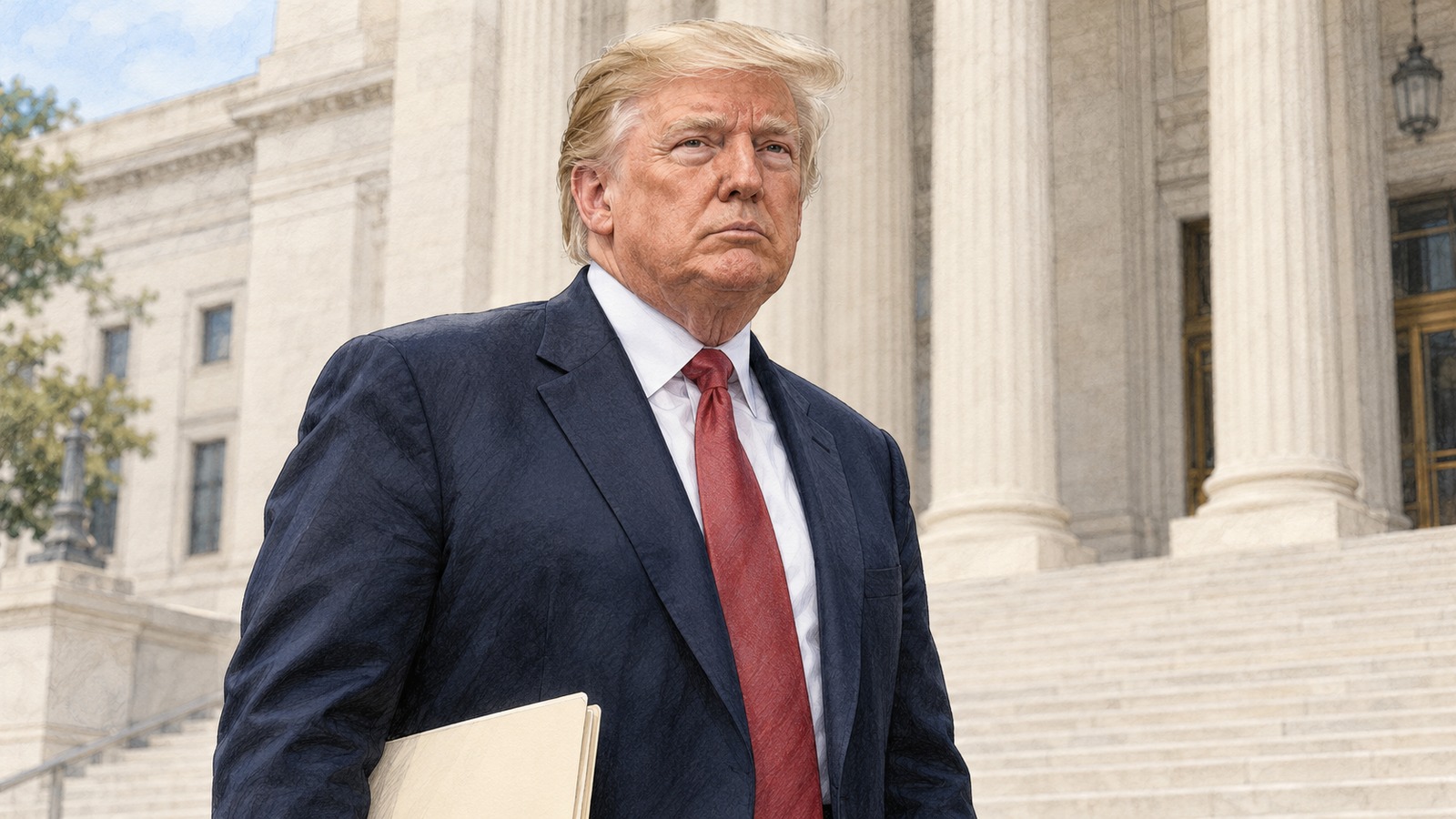
Netanyahu Floats Crypto to Counter Potential Sanctions
Prime Minister Benjamin Netanyahu proposed using blockchain and cryptocurrencies to limit the impact of potential sanctions, drawing opposition from the Bank of Israel and political rivals.
Prime Minister Benjamin Netanyahu proposed using blockchain technology and cryptocurrencies to counter potential international financial sanctions, drawing opposition from the Bank of Israel and political rivals ahead of Israel’s Oct. 27 elections.
In a television interview on Friday, Netanyahu described blockchain as an alternative to sanctions and said Israel was examining digital currencies to reduce pressure on its banking system. He called blockchain a “national strategic tool.”
The comments followed sanctions announced by 12 Western countries targeting goods from Israeli settlements in the West Bank. The measures came in response to attacks by Jewish settlers against Palestinians and expanded settlement construction approved by Netanyahu’s government. Economists and industry representatives have warned that sanctions could later extend to Israel’s wider economy.
The Bank of Israel rejected Netanyahu’s proposal in a statement, saying cryptocurrencies “cannot be used as a route for bypassing sanctions.”
Several candidates seeking to replace Netanyahu also criticized the idea. Gadi Eisenkot, leader of the Yashar party, wrote on X on Saturday: “The BibiCoin vision is a threat to national security.” The post referred to Netanyahu by his nickname and used the name of a hypothetical digital currency.
Yediot Ahronot columnist Nadav Eyal wrote on X that digital assets can transfer value outside some traditional banking channels. However, he added that cryptocurrencies cannot provide banks with credit lines, replace international capital markets or persuade foreign companies to violate sanctions.
Ben Samocha, founder of the Israeli crypto platform CryptoJungle, told Cointelegraph that crypto and blockchain-based tools were not suitable for bypassing sanctions. He cited U.S. Treasury investigations involving Iran, saying blockchain transactions can be tracked, illicit funds can be blocked at gateways that convert crypto to government-issued currencies, and assets can be frozen.
The proposal was discussed at an anti-government rally in Tel Aviv on Saturday evening. Attendee Aryeh Cohen said an economy operating through the dark web would make Israel no better than its enemies. Another attendee, who gave only her first name, Pnina, questioned whether the Bank of Israel would be subject to the same legal framework under Netanyahu’s proposal.
The material on GNcrypto is intended solely for informational use and must not be regarded as financial advice. We make every effort to keep the content accurate and current, but we cannot warrant its precision, completeness, or reliability. GNcrypto does not take responsibility for any mistakes, omissions, or financial losses resulting from reliance on this information. Any actions you take based on this content are done at your own risk. Always conduct independent research and seek guidance from a qualified specialist. For further details, please review our Terms, Privacy Policy and Disclaimers.
Articles by this author