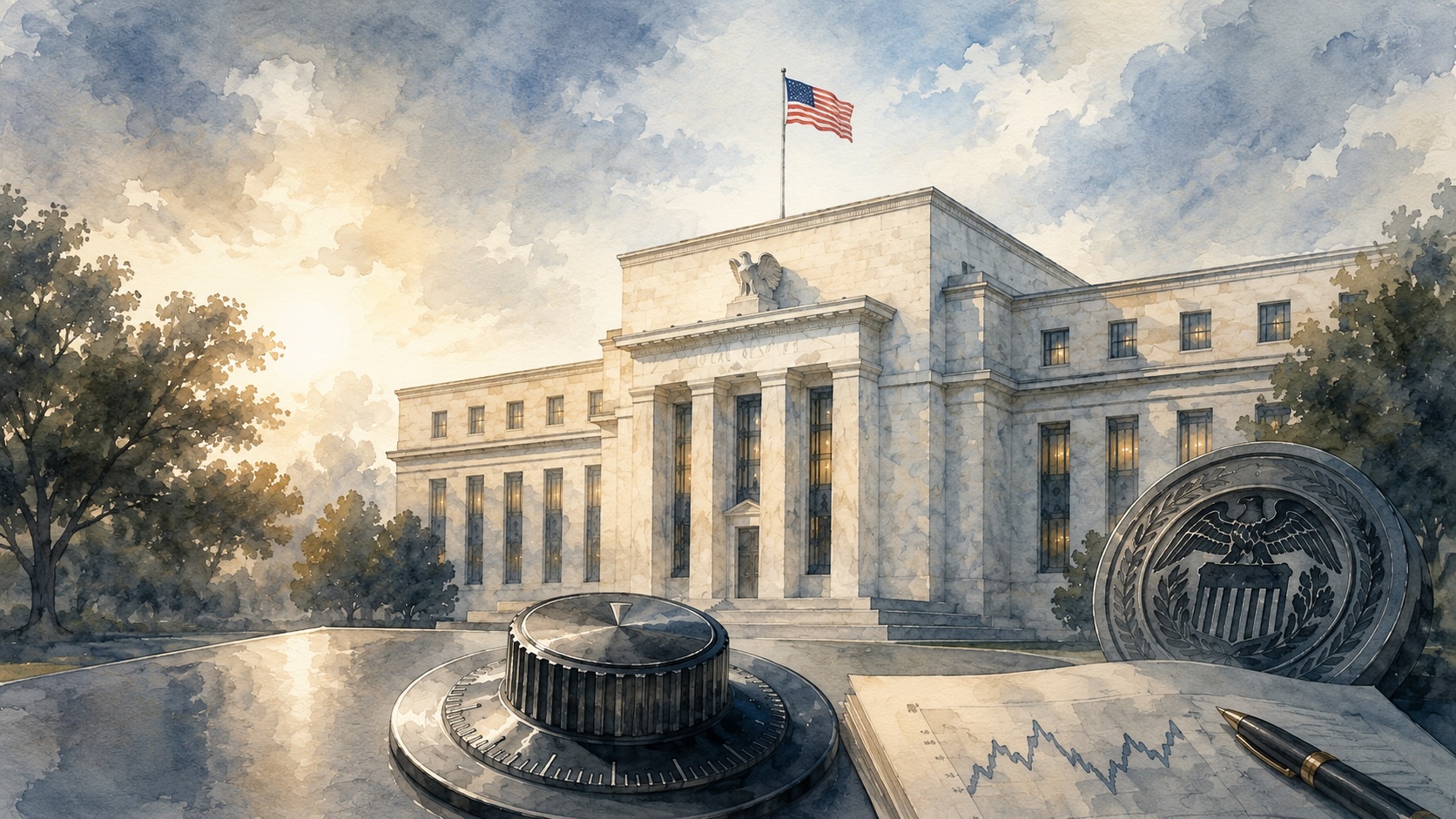
Midterm politics and Trump pressure curb Fed hikes
Wharton finance professor Jeremy Siegel says political pressure from President Trump and the 2026 midterm calendar has restrained the Federal Reserve from raising interest rates.
Jeremy Siegel, a finance professor at the Wharton School, said the Federal Reserve would have already raised interest rates if not for pressure from President Donald Trump and concerns about the 2026 midterm elections.
The comment followed August jobs data showing the U.S. economy added 162,000 payrolls. The unemployment rate held at 4.1%, average hourly earnings rose 3.1% year over year, labor-force participation increased to 61.6%, and revisions added 55,000 jobs to the June and July totals. Siegel characterized the labor market as supply-driven and said the report led traders to lift the odds of a rate increase at this month’s Federal Open Market Committee meeting, reversing expectations after a soft July payrolls reading.
President Trump renewed his public campaign for lower interest rates on social media, posting in capital letters: “We should have the LOWEST INTEREST RATES of any country in the World … CUT INTEREST RATES OR I WILL STOP TRADING WITH COUNTRIES WHERE WE HAVE A DEFICIT.” Siegel argued that the political incentive to keep borrowing costs low is stronger ahead of the midterms, making a September increase politically sensitive for the White House.
Siegel pointed to roughly a 10% rise in M2 money supply since the start of the conflict with Iran, which ended in June, and described that pace as excessive. He noted Federal Reserve officials have been monitoring money-supply growth and that the Fed chair has not indicated a willingness to lower rates in response to political pressure.
On market reaction, Siegel said a rate hike would likely cause only a brief downturn if it reinforced the Fed’s credibility in fighting inflation and if tariff policy does not escalate. He added that traders have already adjusted pricing to reflect a higher probability of a near-term rate increase.
Policymakers and markets will receive additional inflation data this week, with the producer price index and consumer price index due Thursday and Friday, respectively. Those reports are expected to provide further information for the Fed as it weighs its next policy decision.
The material on GNcrypto is intended solely for informational use and must not be regarded as financial advice. We make every effort to keep the content accurate and current, but we cannot warrant its precision, completeness, or reliability. GNcrypto does not take responsibility for any mistakes, omissions, or financial losses resulting from reliance on this information. Any actions you take based on this content are done at your own risk. Always conduct independent research and seek guidance from a qualified specialist. For further details, please review our Terms, Privacy Policy and Disclaimers.
Articles by this author