Malaysia central bank launches platform for tokenized bonds
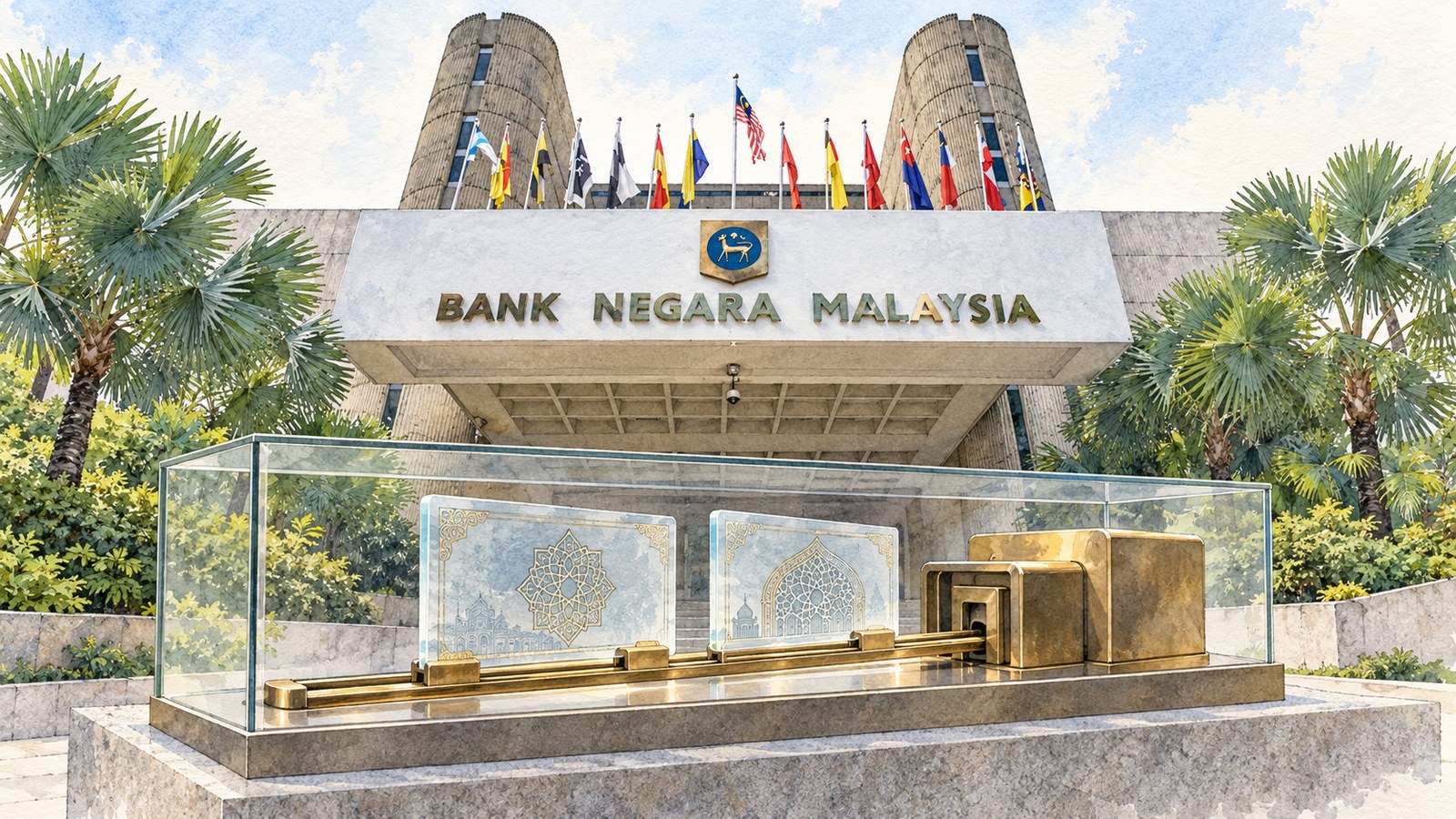
Bank Negara Malaysia launched SSDS+, a distributed-ledger platform for issuing and holding tokenized bonds and sukuk. It links to RENTAS+ for payment settlement in central bank money.
Bank Negara Malaysia has launched SSDS+, a distributed-ledger platform for issuing, holding and transferring tokenized bonds and sukuk. The platform records ownership and transfers of digital securities and connects to RENTAS+ for related payment settlement in central bank money.
SSDS+ is the next-generation Scripless Securities Depository System. It supports the issuance, depository and safekeeping of tokenized debt securities, including sukuk, which are Islamic bonds. RENTAS+ is Malaysia’s real-time electronic system for transferring funds and securities and is designed to operate around the clock.
The platform was developed for wholesale issuance. Bank Negara Malaysia said it can also support tokenized government bonds and corporate bonds offered to retail investors. The central bank did not identify securities issued through SSDS+ or disclose transaction volumes.
The launch follows Bank Negara Malaysia’s three-year asset-tokenization roadmap, announced in November 2025. The roadmap included pilot projects involving Islamic finance, supply-chain financing and programmable payments.
In February 2026, the central bank tested ringgit stablecoins and tokenized bank deposits through its Digital Asset Innovation Hub. Standard Chartered, CIMB Group, Maybank and investment holding company Capital A participated in the tests.
The material on GNcrypto is intended solely for informational use and must not be regarded as financial advice. We make every effort to keep the content accurate and current, but we cannot warrant its precision, completeness, or reliability. GNcrypto does not take responsibility for any mistakes, omissions, or financial losses resulting from reliance on this information. Any actions you take based on this content are done at your own risk. Always conduct independent research and seek guidance from a qualified specialist. For further details, please review our Terms, Privacy Policy and Disclaimers.
Articles by this author