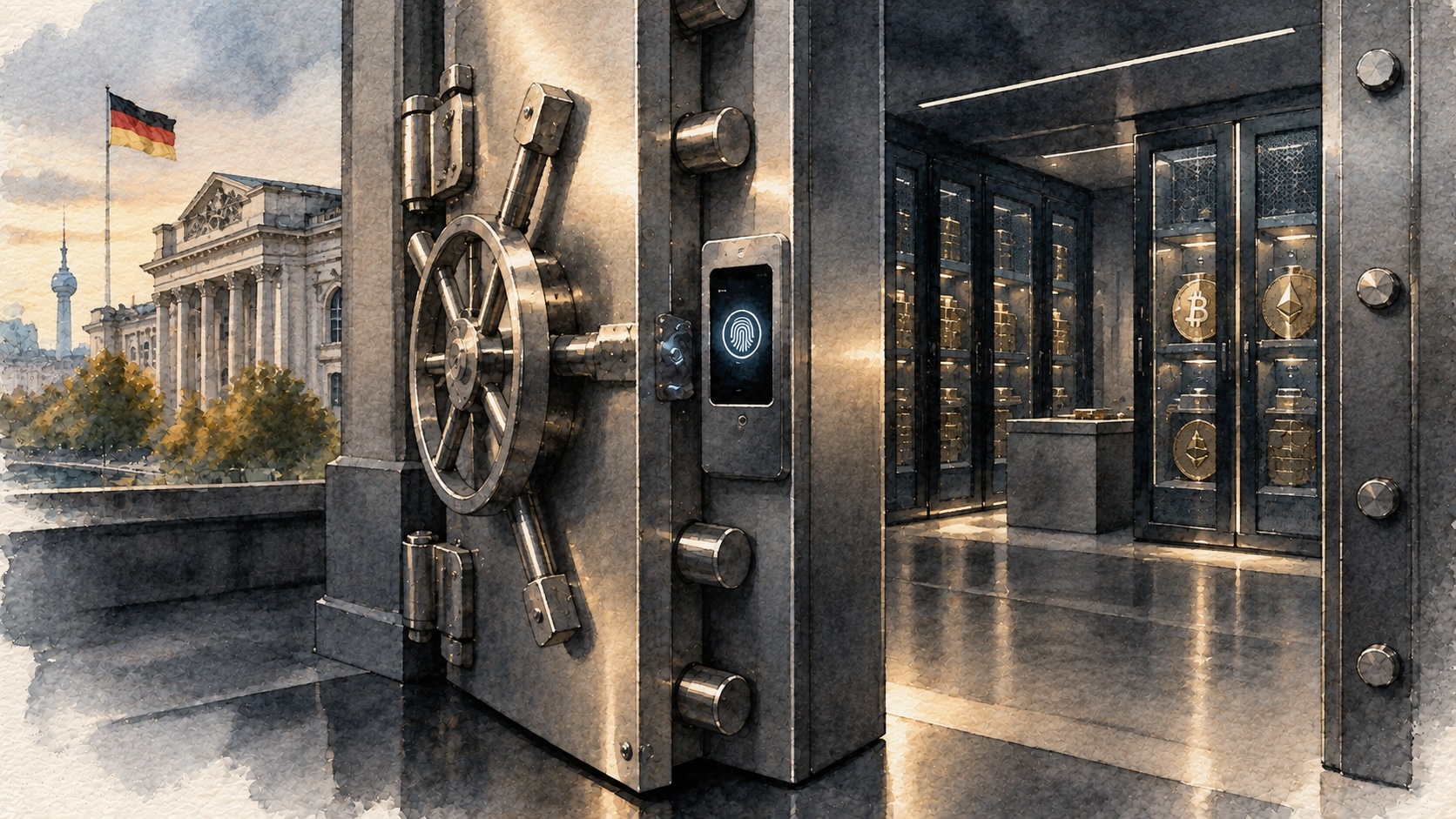
House panel advances bill to create Strategic Bitcoin Reserve
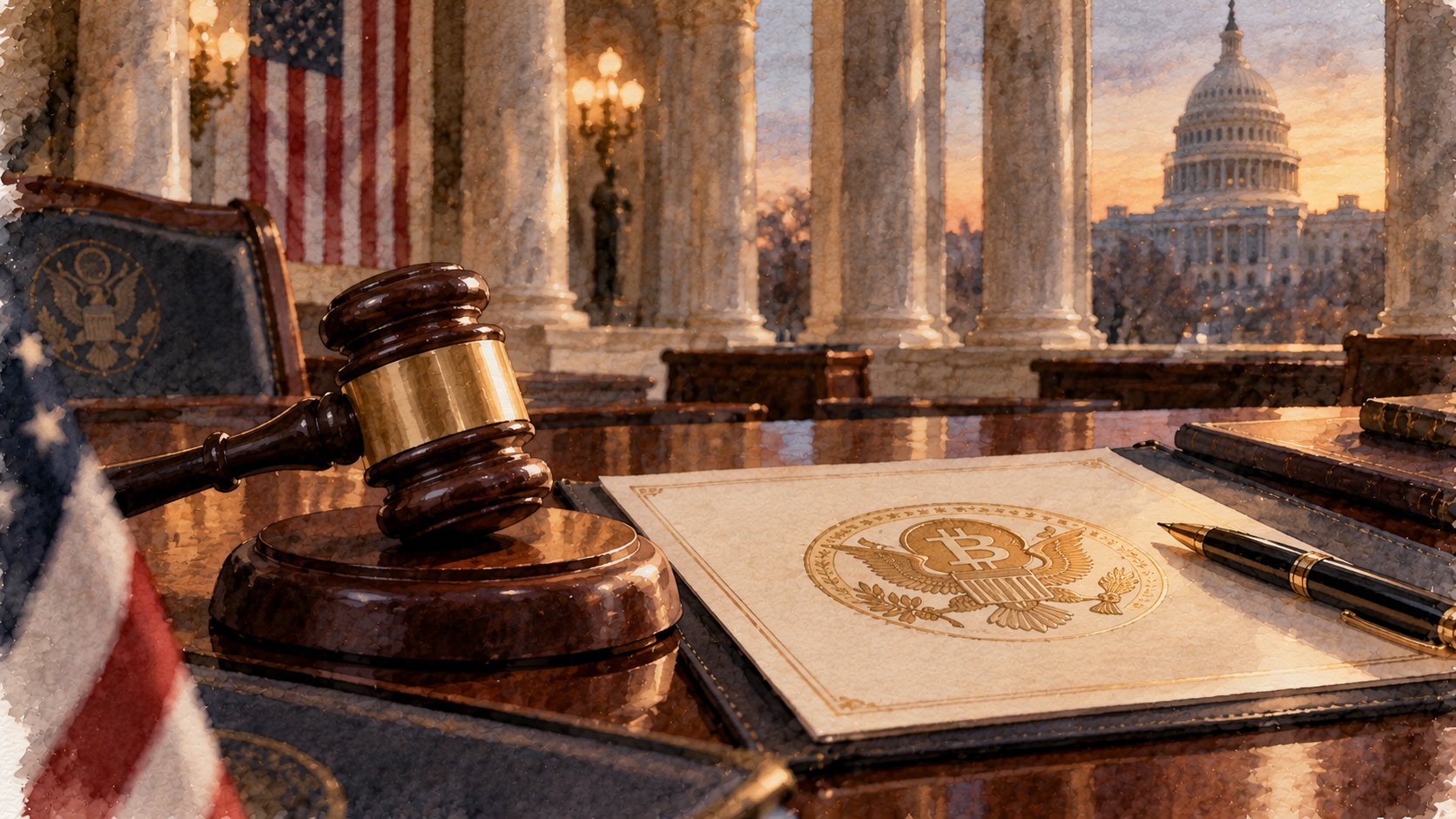
House Financial Services Committee approved the American Reserve Modernization Act 28-21, moving a bill to centralize federally held Bitcoin and seized digital assets under the Treasury.
The House Financial Services Committee approved the American Reserve Modernization Act (H.R. 8957) in a 28-21 vote on Wednesday, advancing legislation to create a Strategic Bitcoin Reserve and a separate Digital Asset Stockpile within the Department of the Treasury. The measure would centralize federally held Bitcoin and other digital assets acquired through criminal or civil forfeiture and would put the policy of a strategic Bitcoin reserve into law.
Representative Nicholas Begich introduced the bill on May 21. Begich argued, “We cannot allow Bitcoin to be held by the federal government to languish in fragmented and inconsistent custody,” adding that dispersed holdings create cybersecurity risks and an inadequate accounting of government assets.
Under the proposal, all federal agencies would be required to provide a full accounting of digital assets they hold or control and transfer those holdings to Treasury management. Bitcoin placed in the federal reserve would be required to be held for a minimum of 20 years. The bill establishes two distinct holdings: a Strategic Bitcoin Reserve and a Digital Asset Stockpile for assets acquired through forfeiture. It requires quarterly “proof of reserve” reports and third-party audits to document holdings.
The legislation directs a study of budget-neutral strategies for expanding the Strategic Bitcoin Reserve and contains a provision allowing states to deposit their Bitcoin holdings at the Federal Reserve.
Arkham Intelligence estimates the U.S. government currently holds about 324,527 Bitcoin, valued at roughly $24.7 billion at the time of reporting.
The bill affirms private ownership and the right to self-custody, stating control of private keys is “fundamental to the principles of financial sovereignty, privacy, and personal liberty in the digital age.” Connor Brown, executive director of the Bitcoin Policy Institute, described the committee approval as “a genuinely historic step for Bitcoin policy.” Matt Cole, chief executive of Strive, earlier described the initiative as “the single most important crypto legislation that can come out of DC.”
Committee approval sends the bill to the full House. The measure must pass both chambers of Congress and receive the president’s signature to become law. If enacted, custody and oversight of federally held digital assets would move to Treasury, accompanied by the auditing and reporting measures specified in the bill and the retention requirements for Bitcoin holdings.
The material on GNcrypto is intended solely for informational use and must not be regarded as financial advice. We make every effort to keep the content accurate and current, but we cannot warrant its precision, completeness, or reliability. GNcrypto does not take responsibility for any mistakes, omissions, or financial losses resulting from reliance on this information. Any actions you take based on this content are done at your own risk. Always conduct independent research and seek guidance from a qualified specialist. For further details, please review our Terms, Privacy Policy and Disclaimers.
Articles by this author