Delaware, New Jersey advance bans on crypto ATMs
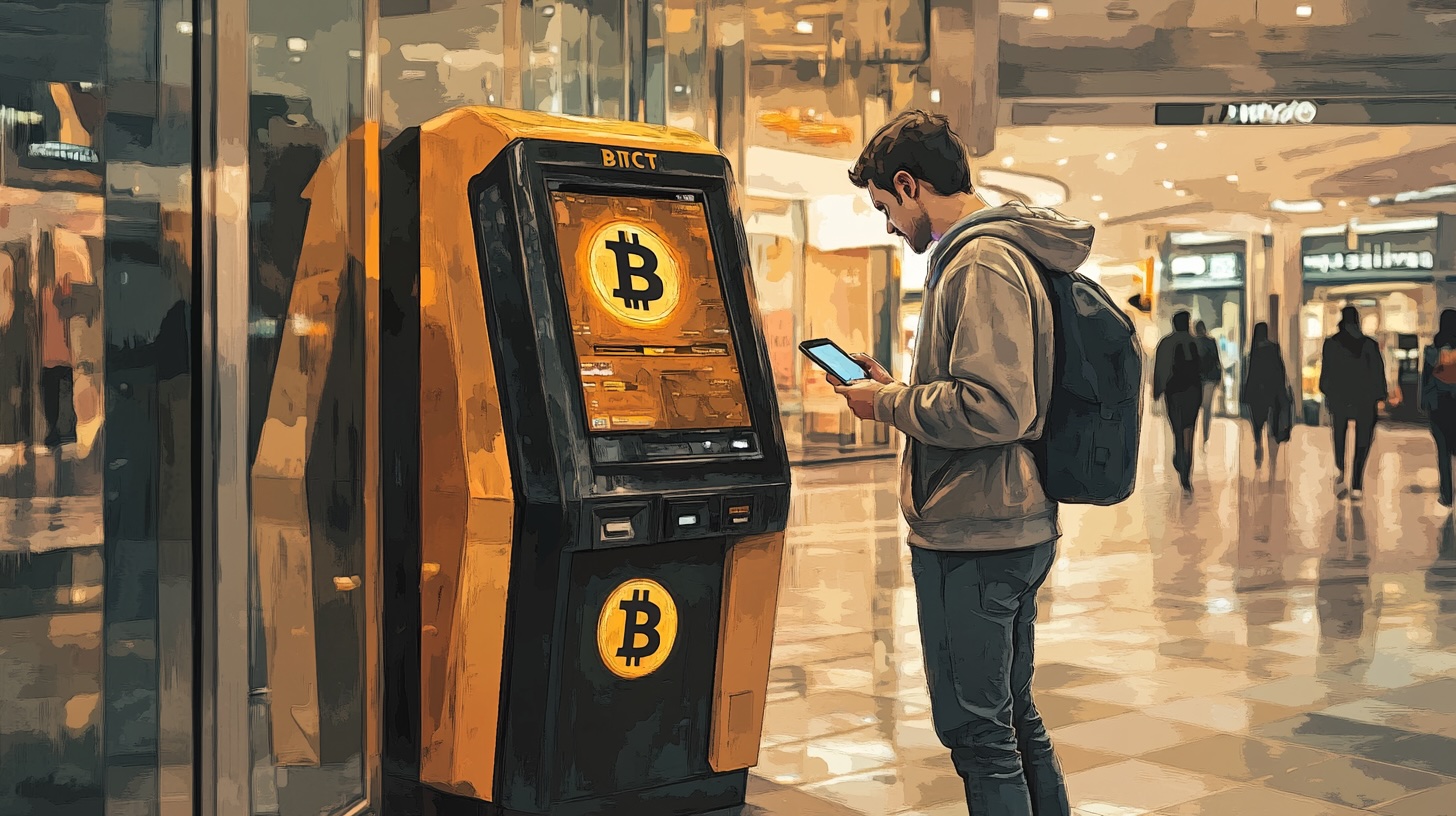
Delaware and New Jersey advanced bills to ban cryptocurrency ATMs after the FBI recorded nearly 13,500 complaints in 2025 totaling more than $388 million in losses.
Delaware and New Jersey have advanced legislation that would ban cryptocurrency ATMs following a surge in complaints tied to the kiosks, federal data shows.
The Delaware House Economic Committee voted to send House Bill 441 to the full chamber, and the New Jersey Senate Commerce Committee unanimously approved its ban and forwarded the measure to the full Senate. Lawmakers in both states cited a rise in scams connected to cash-to-crypto machines as the reason for the proposals.
Delaware’s bill would prohibit owning, installing or operating a cryptocurrency kiosk and would ban fiat-to-crypto sales that replicate or substitute those kiosks, including transactions handled at point-of-sale systems or by cashiers. The measure would require removal of any existing crypto ATMs within 90 days of the law taking effect and sets penalties up to $10,000. Operators found running kiosks would be required to refund fees to users or contribute to a consumer protection fund when users cannot be located.
New Jersey’s proposal would bar ownership, control, installation, management, sale or offer to sell a crypto ATM, citing a rise in scams tied to their use. Penalties would reach $10,000 for a first offense and $20,000 for repeat violations.
Representative Cyndie Romer, sponsor of HB441, described crypto ATMs as ‘reducing digital currency to a predatory cash grab.’ She noted kiosk fees can reach about 20% of a transaction’s value, compared with roughly 0.4% to 1% on online exchanges, and said the machines have been used to extract money from vulnerable residents. Earlier, Missouri sued CoinFlip over crypto ATMs that targeted seniors.
Federal figures supplied to state lawmakers show the FBI received nearly 13,500 complaints about crypto ATMs in 2025, reporting more than $388 million in losses. Those totals represent a 23% rise in complaints and a 58% increase in reported losses from 2024. More than half of the complaints involved people over age 50, with losses to that group exceeding $302 million, according to the bureau.
Several other states have enacted or proposed limits. Indiana passed the first statewide ban in March, followed by bans in Tennessee in April and Minnesota in May. Some cities have adopted local bans or are considering ordinances, while other states have placed caps on the value of transactions allowed at crypto ATMs.
Operators of crypto ATMs have pushed back against blanket prohibitions. Bitcoin Depot, which recently filed for bankruptcy, cited regulatory pressure in its filing and argued it ‘cannot be held liable for the criminal acts of third-party scammers,’ adding that its machines include ‘robust warnings and safeguards.’ Many operators have added on-screen scam warnings and voluntary transaction limits to try to reduce illicit activity.
Both bills now move to their full chambers for further debate. Lawmakers are expected to consider consumer protection details and enforcement mechanisms, including how refunds would be tracked and how funds would be distributed when affected users cannot be identified.
The material on GNcrypto is intended solely for informational use and must not be regarded as financial advice. We make every effort to keep the content accurate and current, but we cannot warrant its precision, completeness, or reliability. GNcrypto does not take responsibility for any mistakes, omissions, or financial losses resulting from reliance on this information. Any actions you take based on this content are done at your own risk. Always conduct independent research and seek guidance from a qualified specialist. For further details, please review our Terms, Privacy Policy and Disclaimers.
Articles by this author