Buterin Details ‘Lean Ethereum’ Roadmap; Kraken and Revolut
Vitalik Buterin named quantum resistance, scalability and privacy as Ethereum’s top priorities in a ‘Lean Ethereum’ strawmap covering 2026–2029.
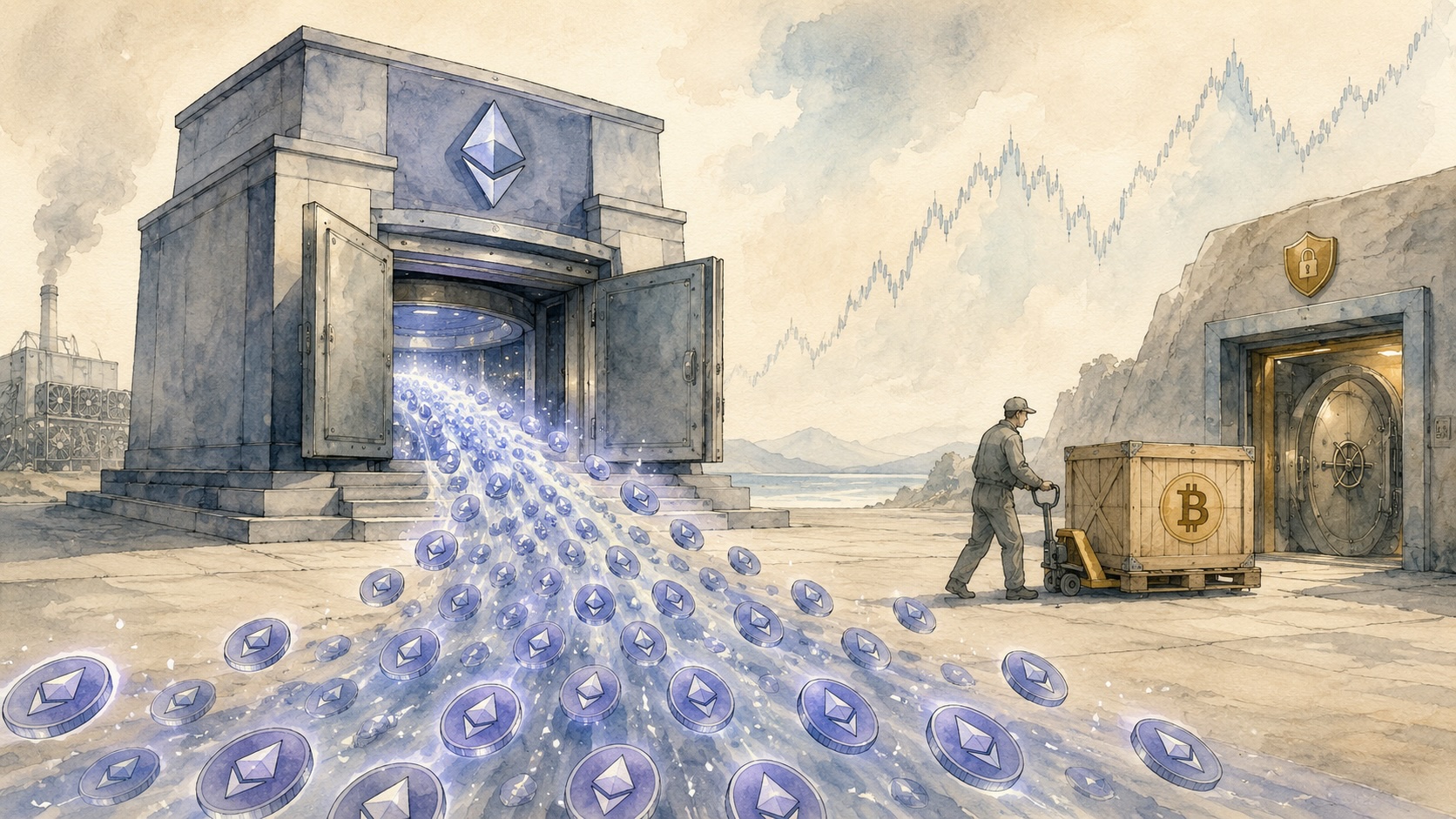
Ethereum co-founder Vitalik Buterin outlined a set of protocol upgrades he calls the “Lean Ethereum” strawmap, saying the work will roll out from 2026 through 2029 and touch nearly every layer of the network. In a post on X, Buterin wrote that “quantum safety has shifted up a LOT in priority” and described finalizing a quantum-safe approach for blobs as “urgent.” He also wrote that privacy should be a “first class goal.” The plan includes work on a new virtual machine architecture, compared to leanISA or RISC‑V, intended to support programmable privacy features and improved scalability.
The strawmap highlights three technical goals: protect cryptography against future quantum computers, increase transaction throughput and lower costs, and build stronger privacy tools into the protocol. Blobs, the on‑chain data structures used to store larger data sets more cheaply, are a specific focus for quantum‑resistant designs. The proposed virtual machine aims to change how smart contracts run so private computations and scaling techniques can be implemented more efficiently.
The roadmap was posted as the Ethereum Foundation reduced staff and budgets. The foundation cut about 20% of its employees and announced a 40% budget reduction. Several senior contributors and executives have left in recent months.
Crypto exchange Kraken began allowing certain tokenized stocks and exchange‑traded funds to be posted as collateral for futures and margin trading. Eligible users outside the United States can use tokenized versions of shares such as Apple, Nvidia and Tesla and ETFs including the SPDR S&P 500 ETF and Invesco QQQ Trust without selling the underlying tokens. Each asset has a collateral haircut to lower its lending value: broad‑market ETFs carry a 10% haircut while more volatile stocks face haircuts up to 30%. Kraken also set per‑asset collateral caps: broad ETFs are permitted up to $1 million in collateral value, most individual stocks are capped at $250,000, and tokenized gold and specific issuer shares are capped at $100,000. The exchange said haircuts and caps will be reviewed periodically.
U.K.-based fintech Revolut notified some customers that it will remove support for the Tether USDt stablecoin. The company will stop allowing purchases of USDT from July 6, 2026, will stop accepting USDT deposits after July 30, 2026, and will fully remove USDT support on Aug. 31, 2026. Revolut said any balances not withdrawn by the end of August will be converted automatically into customers’ base currencies at that day’s exchange rate.
A major U.S. law enforcement group informed lawmakers it no longer opposes the CLARITY Act, a bill that addresses rules for custodial services and other aspects of digital asset regulation. Separately, U.S. President Donald Trump responded to questions about earnings tied to cryptocurrency ventures, defending reported proceeds of $1.4 billion while in office.
Background: quantum resistance means changing cryptographic algorithms so they remain secure if large quantum computers become practical. Blobs are a type of on‑chain storage that holds bulk data more cheaply than regular transaction calldata. A virtual machine like RISC‑V uses a simpler instruction set to make software execution more efficient; Ethereum developers propose a similar approach to make privacy features and scaling easier to implement. Tokenized stocks are blockchain representations of traditional equities and ETFs that can be traded or used as collateral. Collateral haircuts are standard risk management discounts applied when assets back margin or derivative positions.
The material on GNcrypto is intended solely for informational use and must not be regarded as financial advice. We make every effort to keep the content accurate and current, but we cannot warrant its precision, completeness, or reliability. GNcrypto does not take responsibility for any mistakes, omissions, or financial losses resulting from reliance on this information. Any actions you take based on this content are done at your own risk. Always conduct independent research and seek guidance from a qualified specialist. For further details, please review our Terms, Privacy Policy and Disclaimers.
Articles by this author