Bitcoin rebound tied to US‑Iran deal as metrics stay weak
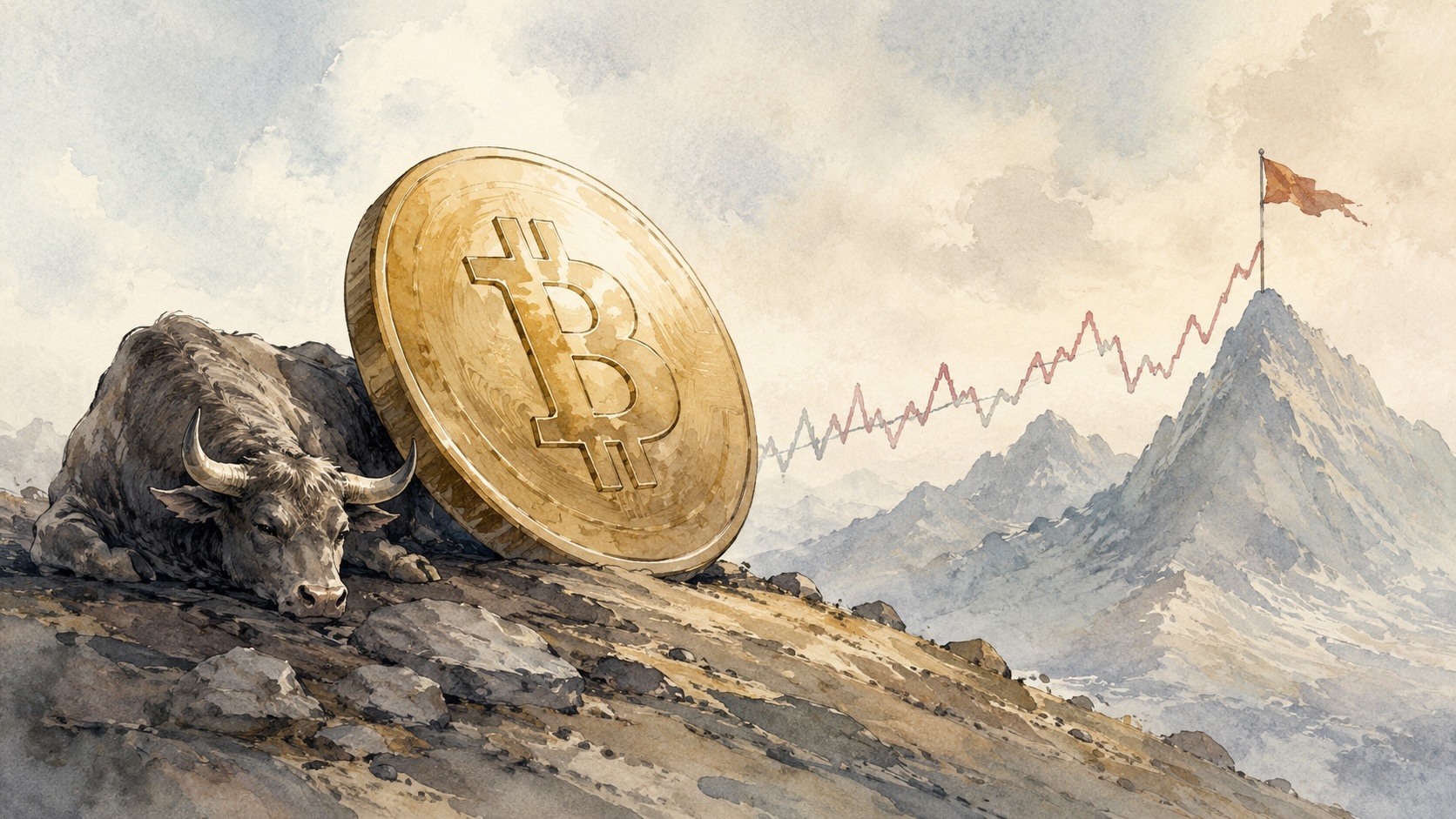
Bitcoin briefly reclaimed $67,000 after reports of a US‑Iran peace deal, but on‑chain indicators show weak momentum and low market participation.
Bitcoin briefly rose to about $67,000 after U.S. officials announced a peace agreement with Iran that is expected to be signed later this week. Institutional buying increased exposure to the asset during the move. The price slipped back below $66,000 in early trading the next day; the token had traded below $60,000 on June 6 before the rebound.
On‑chain indicators used by traders show limited participation in the rally. Price momentum, which measures the strength of recent price moves, stood at -1. On‑balance volume, a cumulative measure of volume on up days versus down days, was about -1.7 million, its lowest reading in years. Market observers say those readings point to weak movement strength and reduced buying pressure.
The proposed U.S.‑Iran arrangement would reopen the Strait of Hormuz, lift blockades on Iranian ports and begin 60 days of talks on Iran’s nuclear program and possible sanctions relief. The Strait of Hormuz is a major route for global oil shipments; changes to its status could alter oil prices and broader financial markets, with potential knock‑on effects for risk assets including cryptocurrencies.
Nick Ruck, director at LVRG Research, warned that momentum and declining volume indicate the recovery lacks conviction and could fade. He said that if the agreement breaks down, resulting geopolitical instability and oil‑market shocks could push Bitcoin toward key support levels. Ruck noted the asset might attract bids initially as a hedge before broader risk‑off flows emerge.
A data analytics firm outlined a common pattern seen in bear markets: momentum weakens first, on‑balance volume contracts next, and price often follows lower. The firm said a clearer signal of sustained recovery would arrive when both momentum and OBV move into positive territory.
Traders and analysts highlighted the sensitivity of current price action to macro and geopolitical headlines. Institutional flows helped lift Bitcoin during the brief rebound, but low trading volume and weak on‑chain metrics suggest the bounce was driven by headline‑related flows rather than broad market participation.
Market participants will monitor developments in Washington and Tehran and any resulting shifts in oil markets. Analysts following the market identified the durability of the U.S.‑Iran arrangement and subsequent oil‑price movements as likely determinants of Bitcoin’s near‑term price path.
The material on GNcrypto is intended solely for informational use and must not be regarded as financial advice. We make every effort to keep the content accurate and current, but we cannot warrant its precision, completeness, or reliability. GNcrypto does not take responsibility for any mistakes, omissions, or financial losses resulting from reliance on this information. Any actions you take based on this content are done at your own risk. Always conduct independent research and seek guidance from a qualified specialist. For further details, please review our Terms, Privacy Policy and Disclaimers.
Articles by this author