AI demand fuels inflation concerns at Fed meeting
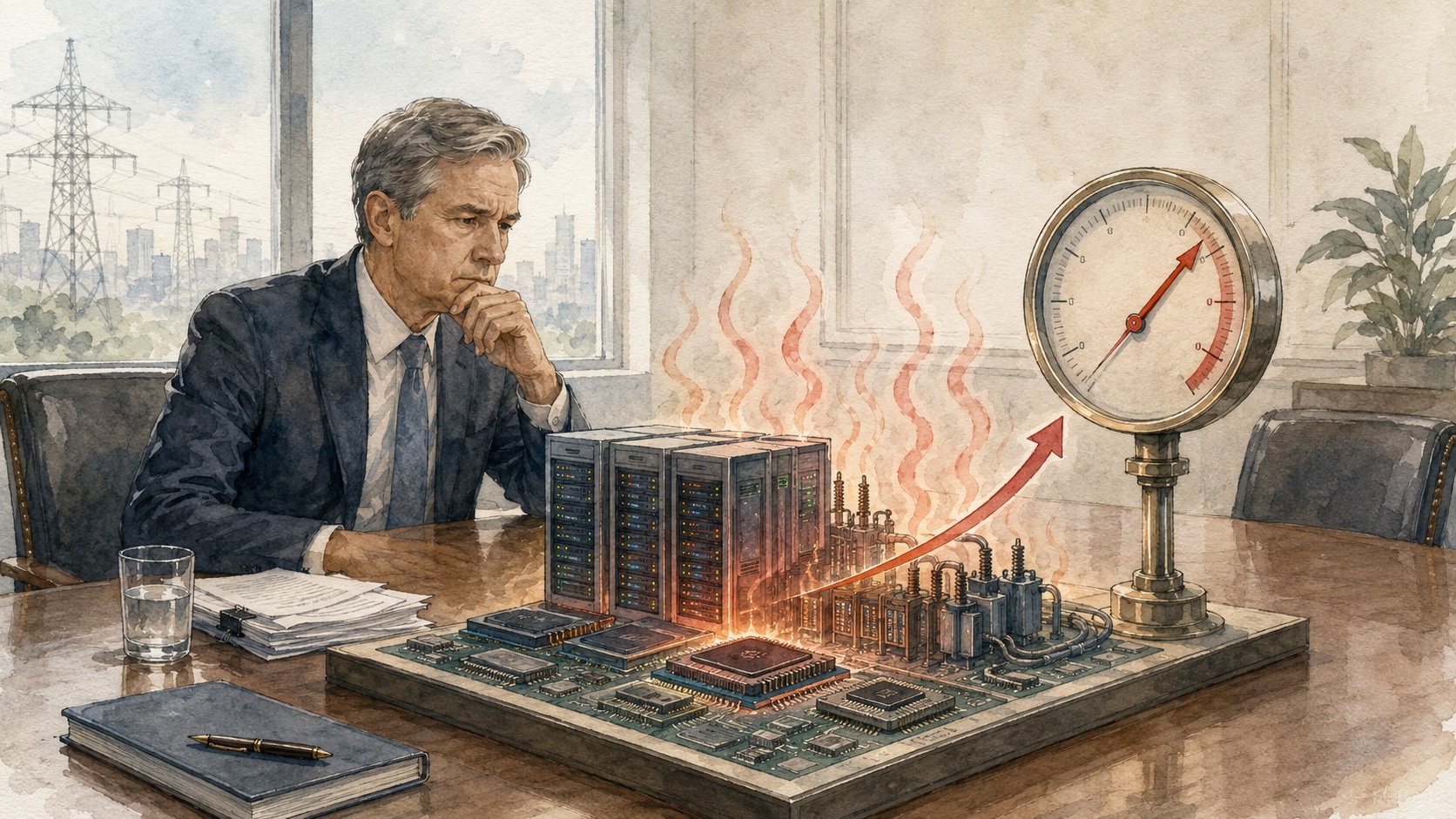
Fed officials were split on raising rates after minutes showed many warned that strong AI infrastructure demand is lifting prices for chips, electronics and electricity.
Minutes from the Federal Reserve’s June policy meeting, the first under Chair Kevin Warsh, showed officials divided on whether to raise interest rates. Many participants warned that accelerating demand for artificial intelligence infrastructure is lifting prices for semiconductors, electronics and electricity.
The minutes reported that numerous participants viewed “ongoing strong demand for AI infrastructure” as likely to sustain upward pressure on prices for technology products and electricity. Officials used the term “chipflation” to describe higher semiconductor costs and greater energy use at data centers that contribute to higher consumer prices for electronic goods and power.
Participants expected inflation to remain elevated in the near term, while some noted it could ease if tensions in the Middle East decline. The minutes said risks to the inflation outlook were tilted to the upside, and several officials warned that strong AI-related business investment could push economic activity above potential output and lead to more persistent price pressures.
At the June meeting the Fed kept its benchmark rate at 3.5% to 3.75%. The updated dot plot showed nine of 18 voting members projecting at least one rate increase before the end of 2026 and six projecting two 25-basis-point hikes. The Fed raised its year-end personal consumption expenditures inflation projection from 2.7% to 3.6%. Futures markets priced roughly a 70% probability that rates will remain unchanged at the Fed’s next meeting on July 29.
Market observers noted that stronger inflation and the prospect of additional rate hikes could reduce liquidity and raise borrowing costs, which can weigh on risk assets. Some analysts added that particular market segments might benefit if the Fed takes steps to support equities during a sharp downturn, while higher inflation generally increases the appeal of cash and fixed-income options.
Nick Ruck, director of LVRG Research, observed that the AI infrastructure buildout is driving higher inflation through surging demand for semiconductors, energy and data centers and that these pressures complicate monetary policy. He added that the situation may spur interest in technologies aimed at improving resource allocation.
The material on GNcrypto is intended solely for informational use and must not be regarded as financial advice. We make every effort to keep the content accurate and current, but we cannot warrant its precision, completeness, or reliability. GNcrypto does not take responsibility for any mistakes, omissions, or financial losses resulting from reliance on this information. Any actions you take based on this content are done at your own risk. Always conduct independent research and seek guidance from a qualified specialist. For further details, please review our Terms, Privacy Policy and Disclaimers.
Articles by this author