AI Agents Automate DeFi, Raise Oracle and Agency Risks
Coinfello and similar AI agents read smart contracts to automate DeFi tasks. Coinfello CEO Jacob C. warns of oracle dependence and loss of user control, predicting dapps will decline by 2030.
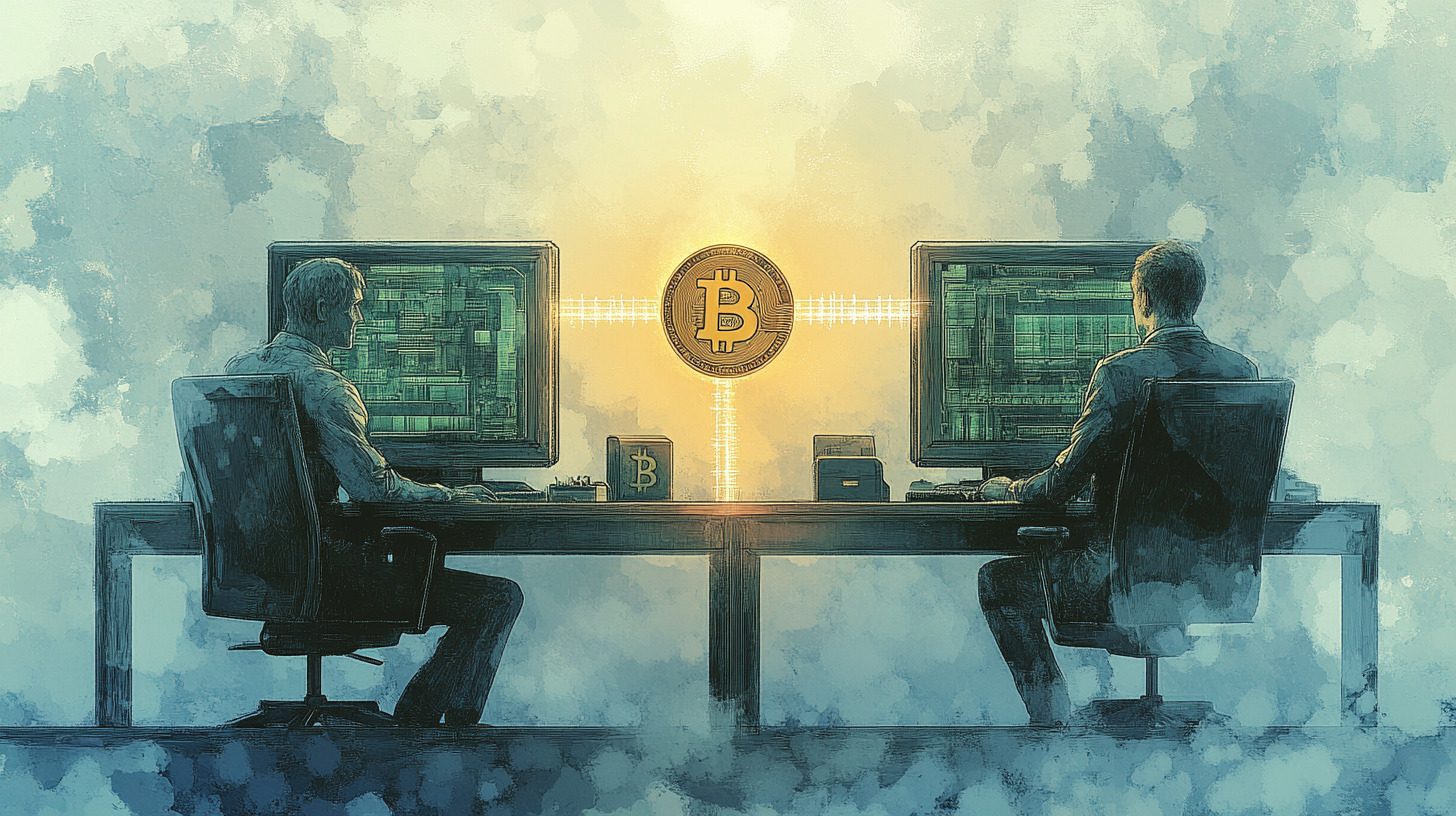
Coinfello and other autonomous AI agents are automating decentralized finance by reading smart contracts and taking actions without constant human oversight. The agents monitor markets and contract state around the clock and execute tasks that previously required active user attention or institutional infrastructure.
Agents can pull liquidity from a pool if they detect patterns associated with rug pulls, respond when a stablecoin starts to lose its peg, perform dollar-cost averaging and run user-defined trading strategies. They analyze on-chain code to surface contract logic and explain risks so users can set automated workflows.
Jacob C., co-founder and CEO of Coinfello, described the prior model: “Before AI agents, users were required to trust a centralized intermediary website (the dapp) which pointed at the smart contract.” He presented agents as a translation layer that reads contract behavior and converts it into information and actions for users.
Jacob C. highlighted two main vulnerabilities linked to the technology: dependence on external data feeds known as oracles, and the transfer of decision-making authority from humans to algorithms. Oracle errors or manipulated inputs can cause agents to act on incorrect data, and automated control can reduce a user’s ability to intervene.
He warned that many agents on the market require users to transfer funds into wallets controlled by the agent: “Most of the AI agents that we see on the market today require users to transfer funds into a wallet fully controlled by the AI agent, and to trust that the agent will not make mistakes or will not be malicious.” Coinfello has developed a permissioning approach called “liquidity sandboxing” that limits which tokens an agent may access and asks users to approve individual permissions instead of granting blanket control.
Jacob C. predicts that by 2030 decentralized applications will no longer be the primary way users interact with smart contracts, as agents handle routine interactions and continuous risk monitoring previously available only to institutional traders.
Decentralized finance has relied on web interfaces that point users to smart contracts while institutions handled continuous monitoring. The rise of AI agents changes who performs operational tasks on-chain and raises questions about data integrity, user control and how to verify autonomous systems interacting with contracts.
The material on GNcrypto is intended solely for informational use and must not be regarded as financial advice. We make every effort to keep the content accurate and current, but we cannot warrant its precision, completeness, or reliability. GNcrypto does not take responsibility for any mistakes, omissions, or financial losses resulting from reliance on this information. Any actions you take based on this content are done at your own risk. Always conduct independent research and seek guidance from a qualified specialist. For further details, please review our Terms, Privacy Policy and Disclaimers.
Articles by this author