#ledger
44 articles found
Latest

Swift sees blockchain as a practical solution
 The prominent banking system, SWIFT, has outlined its plans to incorporate blockchain technology. Instead of combining CBDCs and tokenized assets using distributed ledger technology, it aims to utilize blockchain and address interoperability challenges across different networks.
 Hardware Wallets with a Credit Card Form Factor
 A number of hardware wallet manufacturers have adopted a unique approach. If they can't compete with the functional prowess of market leaders such as Ledger and Trezor, they can distinguish themselves in another area - the form factor. The convenience of a credit card-sized wallet over bulkier alternatives holds appeal for many.
Ripple and University of Toronto Team Up for Crypto Education
 The University of Toronto, Canada's largest higher education institution by enrollment, is partnering with Ripple to establish an independent XRP ledger validator that will primarily process payments, marking a significant step in fostering the upcoming wave of the crypto industry.
 Wallet War: Trezor Triumphs as Ledger Faces Backlash
 Hardware wallet provider Trezor has reported a 900% surge in sales week-on-week, following the controversial seed recovery feature introduced by rival company, Ledger. Trezor CEO Matěj Žák emphasised the firm's commitment to user privacy and secure storage of seed phrases, stating that remote seed phrase extraction is impossible due to the open-source nature of their operations.
 Possible Privacy Issues in Ledger's Latest Update
 Ledger is presently at the center of controversy following user reports related to its latest firmware update. It appears that this update includes a contentious subscription-based feature known as "Recover." The community is concerned as the feature is alleged to provide Ledger access to users' highly sensitive seed phrases.
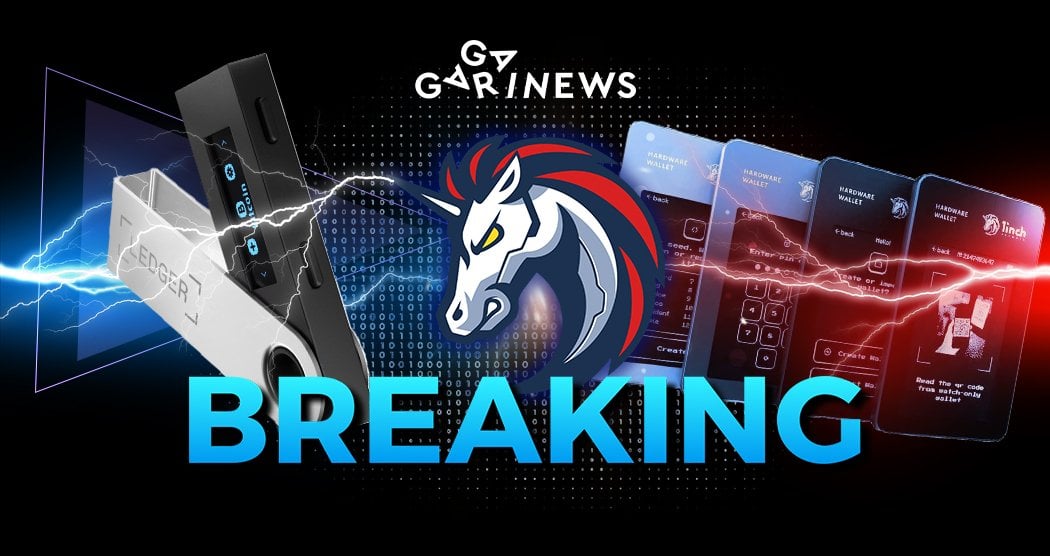 The developers claim that it will be on par with Ledger and Trezor in terms of technical characteristics.
What is already known about the upcoming device from 1inch:
?Touch display 2.7 inches
?Thickness: 4 mm
?Weight: 70 g
?Size: credit card
?Wireless communication
?NFT support
?Signing transactions via QR code
?Ability to generate several addresses with unique pin codes
There is no price tag yet, but you can already sign up for the waiting list.
The developers claim that it will be on par with Ledger and Trezor in terms of technical characteristics.
What is already known about the upcoming device from 1inch:
?Touch display 2.7 inches
?Thickness: 4 mm
?Weight: 70 g
?Size: credit card
?Wireless communication
?NFT support
?Signing transactions via QR code
?Ability to generate several addresses with unique pin codes
There is no price tag yet, but you can already sign up for the waiting list. 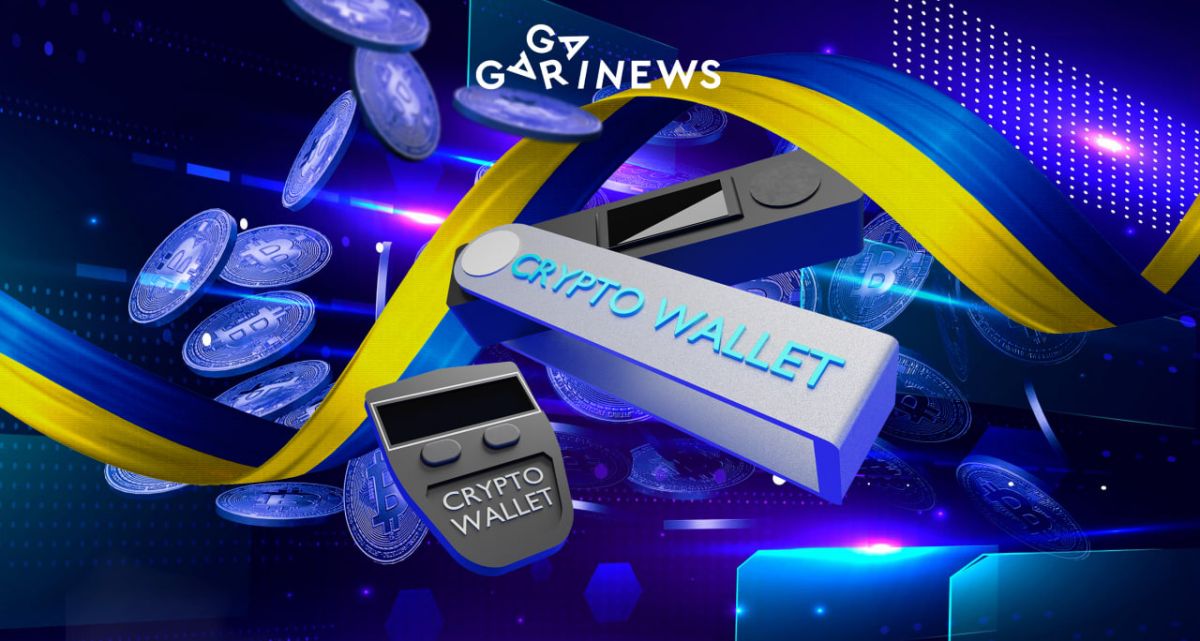
 Securitize, a digital asset trading platform, has started tokenizing equity in Spanish real estate investment trust, Mancipi Partners. The tokens will trade on the Avalanche blockchain from September.
This marks the first tokenized equity issuance under the European Union’s pilot scheme for distributed ledger technology, supervised by the European Securities Market Authority. Securitize will also undergo a six-month supervision period by Spain’s National Securities Market Commission (CNMV).
Securitize's CEO, Carlos Domingo, believes the move will significantly benefit European businesses, providing new avenues for capital raises and potential tax benefits.
Securitize, a digital asset trading platform, has started tokenizing equity in Spanish real estate investment trust, Mancipi Partners. The tokens will trade on the Avalanche blockchain from September.
This marks the first tokenized equity issuance under the European Union’s pilot scheme for distributed ledger technology, supervised by the European Securities Market Authority. Securitize will also undergo a six-month supervision period by Spain’s National Securities Market Commission (CNMV).
Securitize's CEO, Carlos Domingo, believes the move will significantly benefit European businesses, providing new avenues for capital raises and potential tax benefits. Molten Indicates Depreciation of Ledger and Revolut
 Ledger and Revolut, likened to a familiar quote from the Old Testament, have been weighed and found wanting. According to the specialists at investment firm Molten, the fair market value of these crypto projects has taken a substantial hit this past year.
 The Future of Money is Tokenization, Says BIS Report
 Switzerland-based monetary authority, the Bank of International Settlements (BIS), has made public its plan to build a global "unified ledger" to facilitate Central Bank Digital Currencies (CBDCs) and tokenized assets. Even though it acknowledges the potential of tokenization, BIS has expressed its misgivings about decentralized cryptocurrencies.
Nexa: L1 Blockchain from Bitcoin Unlimited Developers
 Nexa is a Layer-1 blockchain that utilizes the Proof of Work consensus mechanism and aims to become the most scalable base chain. This decentralized ledger is designed to process more than 10 billion transactions per day or 100,000 transactions per second.
 Stuart Haber: Blockchain Co-Creator Ahead of His Time
 In 1991, Stuart Haber and Scott Stornetta introduced the concept of a digital ledger system, which laid the foundation for modern blockchain technology. Their work was a turning point in the history of computer science and has led to the widespread adoption of the technology among developers. Their ideas continue to drive innovation and change in the industry.