#find
86 articles found
Latest
 Most airdrop participants find themselves pondering, "When should I sell these tokens?" CoinGecko's analysis of the 50 biggest airdrops revealed that over half of the project tokens (54%) achieved their all-time high (ATH) within two weeks to several months after the airdrop.

Tron DAO’s Ecosystem Development Director on Blockchain and More
 Over the past year, Tron (TRX) has shown a great performance, with its price rising by 30%. We decided to find out why so we reached out to Tron and had a conversation with Tron DAO’s Ecosystem Development Director David Uhryniak. And here’s what we found out.
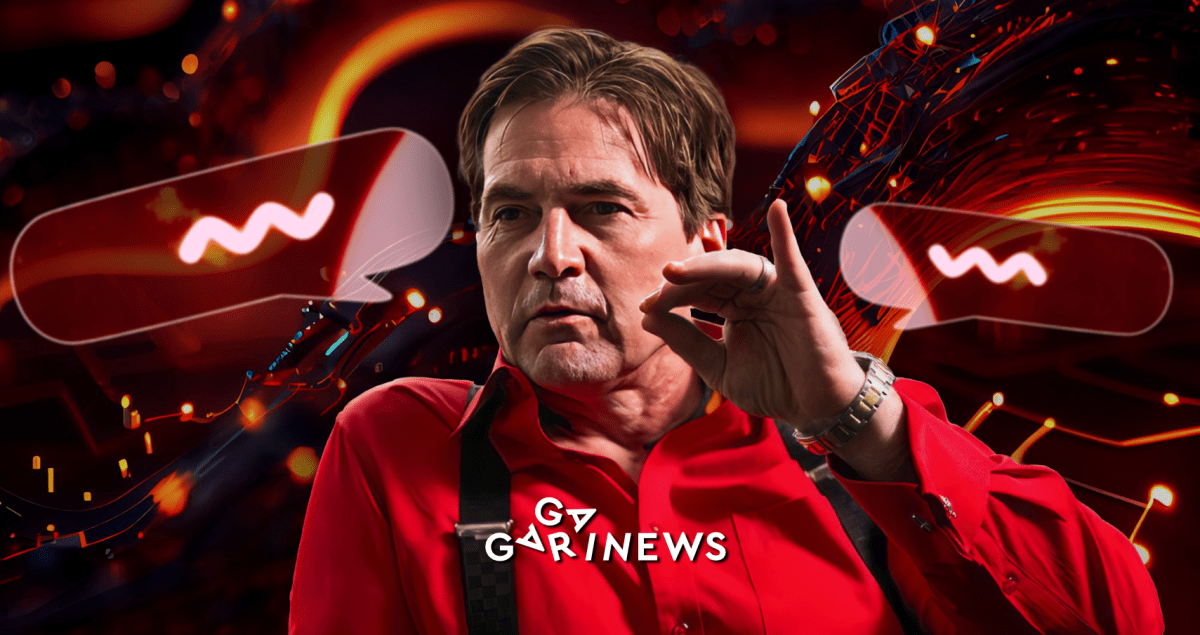 Craig Wright, who claims to be Satoshi Nakamoto, has dropped another post. “The mystery of who I am will be revealed with lots of evidence in the year 2024.” His enigmatic approach is truly captivating! Does he find joy in crafting backward messages? Learn more about Craig Wright on our website.
  On October 1, 2013, the Federal Bureau of Investigation arrested Ross Ulbricht in San Francisco Public Library in Glen Park.
To prevent Ulbricht from encrypting or deleting files on the laptop he used to run the website, two agents, pretending to be a couple, began to argue.
When they successfully distracted Ross, a third agent seized the laptop and inserted a flash drive with software that copied key files.
Ulbricht was remanded without bail and received two life sentences.
Who is Ross Ulbricht and why does every crypto trader know about Silk Road - find out in our article.
On October 1, 2013, the Federal Bureau of Investigation arrested Ross Ulbricht in San Francisco Public Library in Glen Park.
To prevent Ulbricht from encrypting or deleting files on the laptop he used to run the website, two agents, pretending to be a couple, began to argue.
When they successfully distracted Ross, a third agent seized the laptop and inserted a flash drive with software that copied key files.
Ulbricht was remanded without bail and received two life sentences.
Who is Ross Ulbricht and why does every crypto trader know about Silk Road - find out in our article. 



 In its latest report, American bank JPMorgan has noted that the U.S. Securities and Exchange Commission (SEC) might find itself facing legal challenges from applicants if it decides to deny the approval of spot Bitcoin Exchange Traded Funds (ETF) applications.

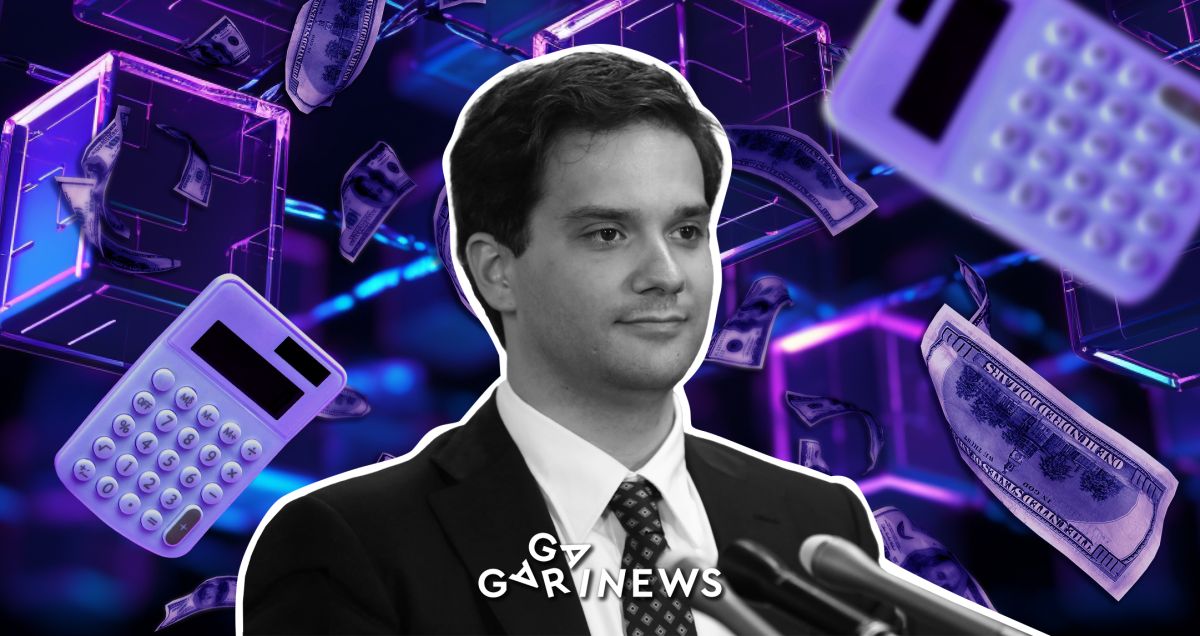 The former MT. Gox CEO shared a remarkable story. After his 2015 arrest, he faced a daunting task: sifting through 20,000 pages of evidence using just a basic accounting calculator he bought for $120 from the prison commissary. "I'd spend the next couple of months going through the accounting information provided by the prosecution, and managed to find some 5.5 million USD worth of revenue that wasn't accounted for. Suddenly, the argument raised by the prosecution didn't make sense," commented Mark Karpeles. This simple calculator changed the game. After nearly a year in custody, he was granted bail and, two years later, fully cleared of charges.
 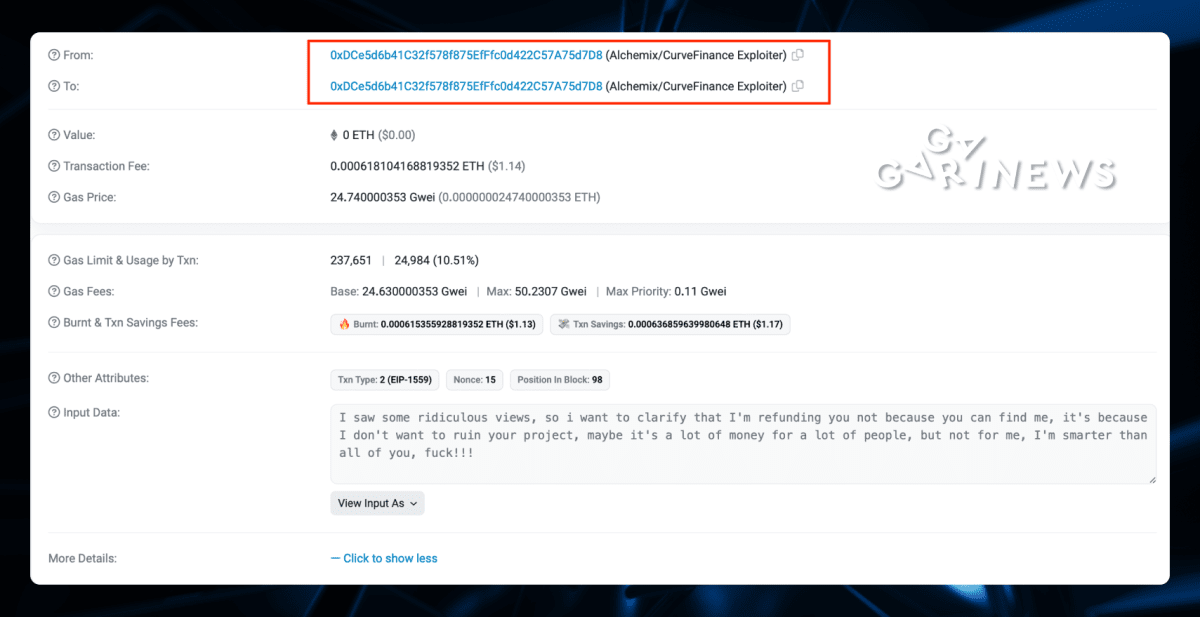 “I saw some ridiculous views, so i want to clarify that I’m refunding you not because you can find me, it’s because I don’t want to ruin your project, maybe it’s a lot of money for a lot of people, but not for me, I’m smarter than all of you, fuck!!!”
Was this hack simply for the thrill of causing disorder? Or was there a message he was trying to convey?
Given the thorough preparation that spanned weeks or perhaps even months, it's a thought-provoking consideration.
“I saw some ridiculous views, so i want to clarify that I’m refunding you not because you can find me, it’s because I don’t want to ruin your project, maybe it’s a lot of money for a lot of people, but not for me, I’m smarter than all of you, fuck!!!”
Was this hack simply for the thrill of causing disorder? Or was there a message he was trying to convey?
Given the thorough preparation that spanned weeks or perhaps even months, it's a thought-provoking consideration. 