#eu
85 articles found
Latest

Europe Eyeing Stricter Rules for DeFi
 The European Systemic Risk Board (ESRB), the EU's financial stability authority, has voiced concerns that the rapidly expanding digital asset and decentralized finance (DeFi) sectors could pose a systemic threat to the economy. This warning has led to suggestions that further regulations may be needed to oversee major crypto conglomerates and smart contracts.
 EU Adopts MiCA Regulations: What Lies Ahead for Cryptocurrencies?
 The European Union has adopted a new legislative framework for the crypto asset market (MiCA). Even though the development of this document began back in 2020, the issue of regulation has become increasingly urgent, especially following the problems that emerged in 2022.
EU Members Nearing Agreement on Crypto Tax Data Sharing
 European Union (EU) member states are close to a unanimous agreement on new rules for sharing data on cryptocurrency and non-fungible token (NFT) holdings among tax authorities. Formal approval is expected next week, though some governments are still awaiting procedural approval from national parliaments.

The EU will open a blockchain sandbox
 For the period of 2023-2026, the regulatory sandbox funded by Digital Europe will annually support 20 projects and award a prize for the most daring innovations. Options for using blockchain services in the public sector are of particular interest to the organizers.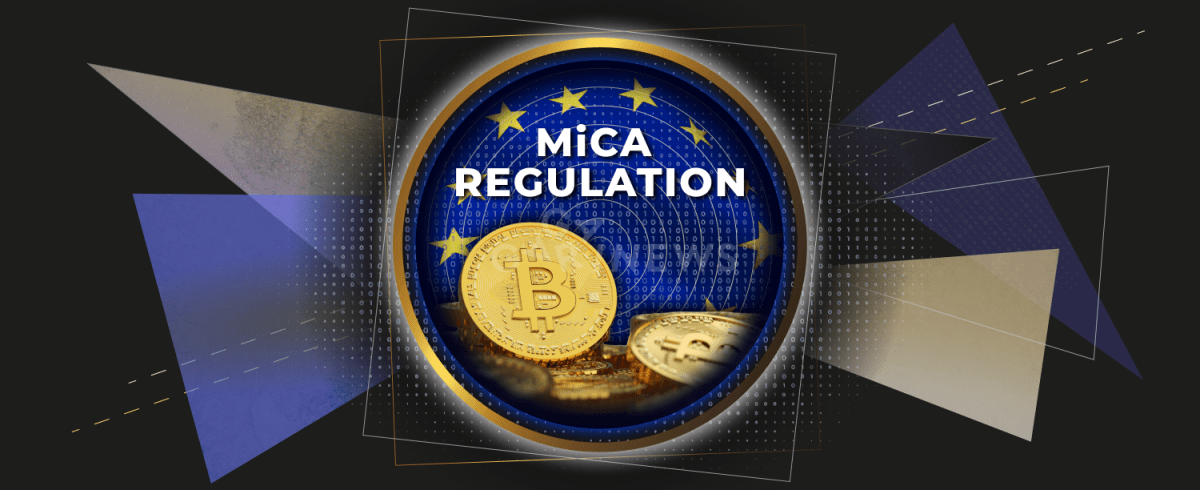

Should Ukraine adopt EU's MiCA crypto asset regulations?
 Deputy Minister Alex Bornyakov of Ukraine's Ministry of Digital Transformation has voiced his support for the adoption of certain provisions from the European Union's MiCA regulations on crypto assets. Bornyakov believes that integrating these essential aspects of MiCA into Ukraine's regulatory framework will facilitate the seamless integration of crypto businesses.
Advancements in Regulating Artificial Intelligence in the EU
 A consensus on stricter draft legislation has brought European lawmakers one step closer to implementing new regulations for artificial intelligence technologies, such as ChatGPT. The AI Act, anticipated to be the first comprehensive legislation governing AI technology worldwide, is set to introduce new rules for facial recognition, biometric surveillance, and other AI applications.


 Yes, they tighten the requirements and the nuts again. As of right now, European banks are required to view cryptocurrencies as the riskiest asset class.
Today, the relevant EU parliamentary committee approved such an initiative.
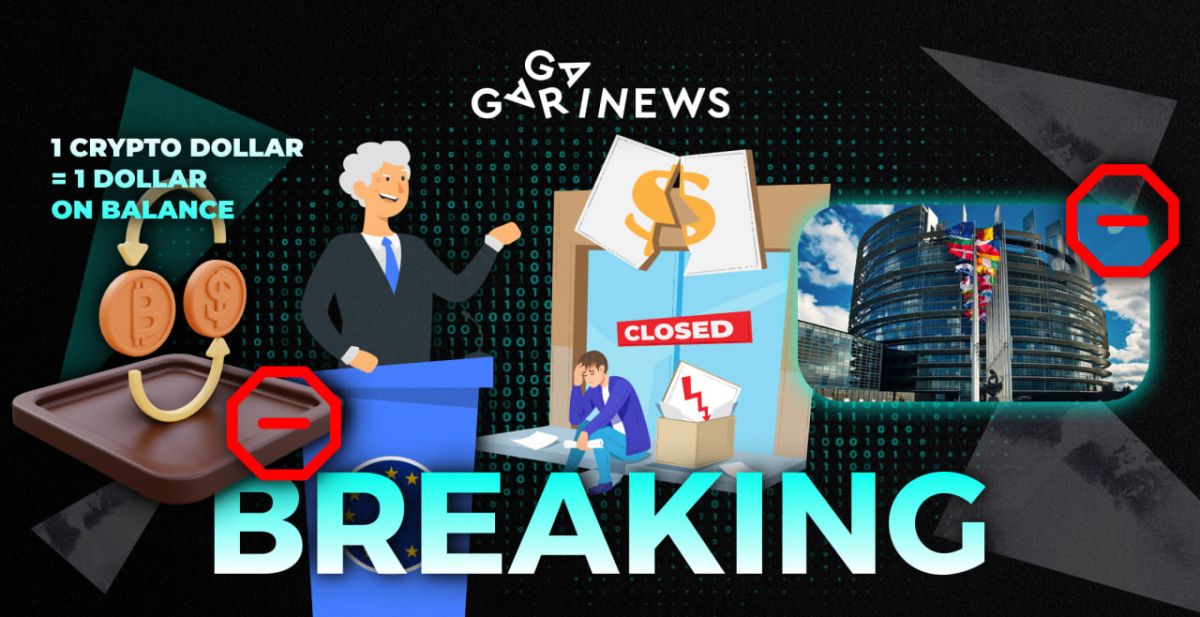
As a result, banks will actually need to hold EUR 1 in equity for every EUR they hold in cryptocurrencies.
The MEPs explained that similar capital requirements will help prevent the crypto world's insecurity from spreading to the financial system.
However, it was offensive. Which of the worlds is more unstable needs to be determined, though. But our arbiter is time. It will reveal everything.
Yes, they tighten the requirements and the nuts again. As of right now, European banks are required to view cryptocurrencies as the riskiest asset class.
Today, the relevant EU parliamentary committee approved such an initiative.
As a result, banks will actually need to hold EUR 1 in equity for every EUR they hold in cryptocurrencies.
The MEPs explained that similar capital requirements will help prevent the crypto world's insecurity from spreading to the financial system.
However, it was offensive. Which of the worlds is more unstable needs to be determined, though. But our arbiter is time. It will reveal everything.